
Patient concerns about Ridge Preservation
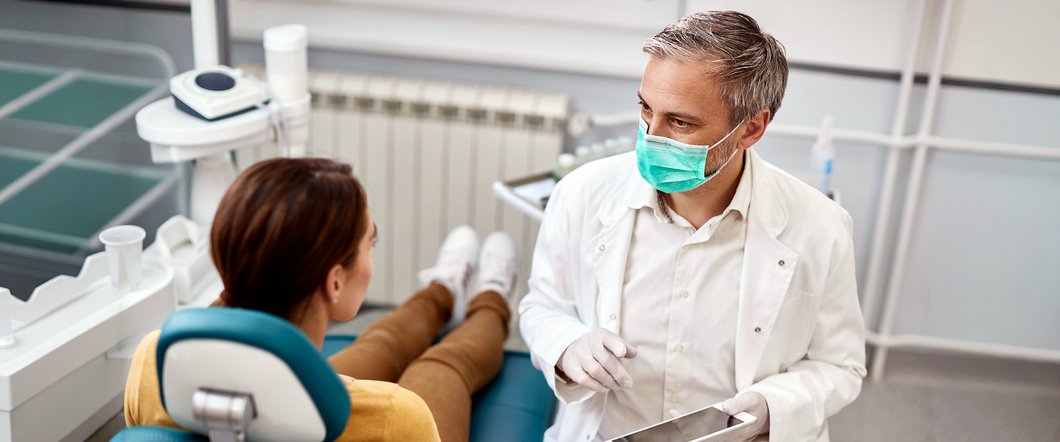

In my years as an implant dentist, I’ve seen how much the success of a procedure depends on the conversation before it even starts. Ridge preservation, also called alveolar ridge preservation or socket grafting, is a prime example. Clinically, it is one of the most effective ways to safeguard natural bone after tooth removal and prepare for dental implants.
Yet, many patients hesitate when I first recommend it. They raise familiar patient concerns about ridge preservation:
- Will it be painful?
- How long will recovery take?
- What are the risks and side effects?
- How much will it cost?
I’ve learned that handling these questions with clarity and empathy is just as important as performing the surgical procedure well. Here’s how I approach the discussion, and how you can build your own confident, effective patient communication style.
Why Addressing Patient Concerns Early Matters
After a tooth extraction, the jawbone immediately begins to resorb. Without intervention, approximately 50% of the alveolar bone volume is lost within 12 months after tooth extraction, with around two-thirds of this reduction occurring within the first three months.1
This affects:
- The ease and predictability of bone regeneration and bone grafting later.
- The stability of dental implants.
- The patient’s facial profile and long-term oral health.
When you explain these facts early in the treatment plan, you give patients a clear reason for ridge preservation. This is where confidence in patient communication directly impacts case acceptance.
How I Explain the Ridge Preservation Surgical Procedure
Patients respond best when I take them through the process step by step, in simple terms:
- Gentle extraction
“We remove the tooth carefully to protect the surrounding bone and soft tissues.” - Socket preparation
“We clean the area to remove any infection or debris.” - Bone grafting
“We place a safe, proven bone graft material into the empty socket to maintain the bone’s shape.” - Membrane placement
“A small barrier helps protect the graft and prevents soft tissue ingrowth.” - Closure
“We close the site so it can heal without interference.”
I make sure to explain that the procedure is typically performed under local anaesthesia, with general anaesthesia or sedation available in selected cases. Reassurance at this stage goes a long way in reducing anxiety.
Four Common Patient Concerns and How I Address Them
1. Fear of Pain
Pain is often the first concern patients raise, but in reality, the procedure itself is completely comfortable thanks to local anaesthesia. I explain that any post-operative discomfort is usually short-lived and manageable with simple measures such as ice packs and prescribed medication. Mild soreness is part of the normal healing process, not a sign of a problem, and patients are reassured that we will support them throughout.
2. Questions About the Healing Process
Setting realistic expectations is essential. Patients often return to normal activities quickly, but the bone healing continues in the background for weeks to months. I explain that we monitor progress at each stage, and that in some cases, allowing more time between phases can improve both the clinical result and the patient’s comfort — and may also make the financial aspect easier to manage.
Providing a printed post-extraction care plan is essential.
3. Concerns About Cost
Cost is one of the most common patient concerns about ridge preservation and should not be avoided. The key is to approach it with empathy, without making assumptions about a patient’s finances, and to focus on what they truly want from treatment. I’ve found it helps to connect cost to long-term value:
“If we preserve the bone now, we avoid more complex and expensive bone grafting procedures later.”
One benefit of using biomaterials is that it allows us to pace treatment, which can make the financial commitment more manageable by spreading payments over time. While complex dentistry can represent a significant investment, it often delivers value that far outweighs the cost. I’ve found that when patients fully understand the procedure and its long-term benefits, they’re far more willing to commit their time, effort, and resources.
Offer transparency and options for payment when possible.
4. Questions About Materials
Patients like to know what is being placed in their bodies. When patients ask about the materials I use, I am open and straightforward. For my own work, I use Geistlich biomaterials because they have decades of research behind them, a proven safety record, and have consistently delivered predictable results in my practice. Patients appreciate knowing that the choice is based on both science and experience.
If they’re curious, I explain the differences between xenograft, allograft, and synthetic materials in straightforward language.
Communication Strategies I Recommend to Young Dentists
If you’re early in your career, here are techniques that have served me well:
- Lead with empathy – Listen before you speak; let patients voice their concerns.
- Use analogies – “Think of it as keeping the mould so the replacement fits properly.”
- Anticipate objections – Bring up the common concerns before they do.
- Back it with evidence – Patients value that their dentist uses science, not guesswork.
Want to strengthen these conversations with solid evidence?
Explore the key research behind ridge preservation and learn how to confidently explain its value to patients →
Read the article.

My Go-To Phrases for Building Trust
- “This isn’t just about replacing a tooth, it’s about protecting the bone that supports your smile.”
- “Doing this now means fewer complications and a more predictable implant placement later.”
- “We’re securing the foundation before we build the house.”
Post-Extraction Care Advice I Share
To ensure patients follow through:
- Apply ice packs for the first 24 hours.
- Avoid vigorous rinsing or using straws.
- Eat soft foods for several days.
- Brush gently near the site.
- Take medications exactly as prescribed.
Download the Tooth Removal Patient Information to support informed discussions.
Why This Approach Works
Addressing patient concerns about ridge preservation proactively means they’re more likely to proceed, and more likely to be satisfied with the outcome. Over time, you’ll find these conversations not only improve your treatment acceptance rates but also strengthen patient relationships.
Conclusion
For me, ridge preservation is more than a step in a surgical workflow, it is an opportunity to build trust. By combining effective communication, patient education, and evidence-based recommendations, you not only protect the natural bone but also the relationship that will carry your patient through their entire treatment journey.
Reference
1. Schlee M and Esposito M: Eur J Oral Implantol. 2009 Autumn;2(3):209-17.