
Ridge Preservation cost & benefits explained
![[English (Australia)]](/fileadmin/_processed_/e/d/csm_ridge-preservation-cost-and-benefits_banner_dc850e01d2.jpg "[English (Australia)]")

Why Ridge Preservation Matters
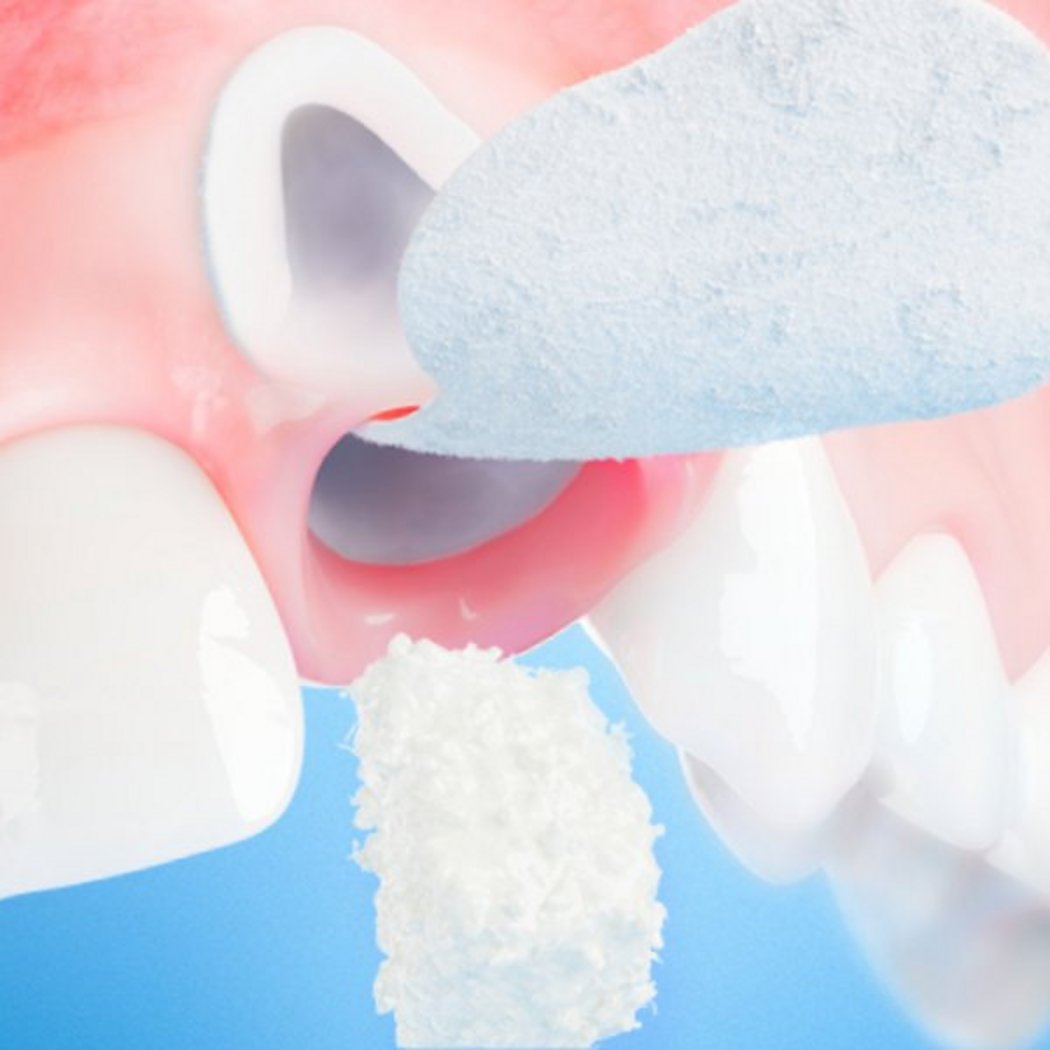
After tooth extraction, the alveolar ridge begins to remodel immediately. Classic studies report substantial dimensional loss within the first months of healing1,2, and Barootchi et al.3 quantified this further: unassisted healing leads to an average horizontal loss of ~3.4 mm, roughly 50% of the initial ridge width. This early resorption makes implant placement more complex and often increases treatment costs later on.
Ridge preservation mitigates these changes. Evidence shows that grafted sites experience significantly less horizontal and vertical resorption, leading to more predictable implant positioning and reduced need for secondary augmentation procedures3,4,5. In clinical practice, this translates into easier implant placement, which in many cases is associated with lower costs for patients at the implant placement stage.
What Influences Ridge Preservation Cost?
Across most regions, ridge preservation cost typically ranges from €300–€1,000 per site, though several clinical and economic factors influence the final amount.
1. Clinical situation
Socket size, buccal plate condition, and initial bone volume influence the volume of graft required and the amount of bone and soft tissue to be maintained. According to the bundle bone theory, approximately 0.8 mm of bone surrounding the socket is resorbed after tooth extraction. As a result, in areas with a thin buccal plate, the buccal bone as well as the overlying soft tissue will collapse following extraction. Barootchi et al.³ showed that ridge preservation can substantially mitigate the negative effect of thin buccal plates.
2. Choice of biomaterials
Different grafts come with different costs and handling properties:
- xenogeneic materials (e.g., Geistlich Bio-Oss® Collagen)
- allografts (e.g., Allodyn®*, vallos®*)
- autografts (donor site required)
- synthetics
Bone graft cost in dental implant planning is significantly affected by the biomaterial used. However, the choice of material also has an important impact on clinical outcomes.³
3. Diagnostics and imaging
CBCT scans and periapical radiographs support accurate treatment planning and may contribute to the total socket preservation cost.
Ridge Preservation Techniques and Their Benefits
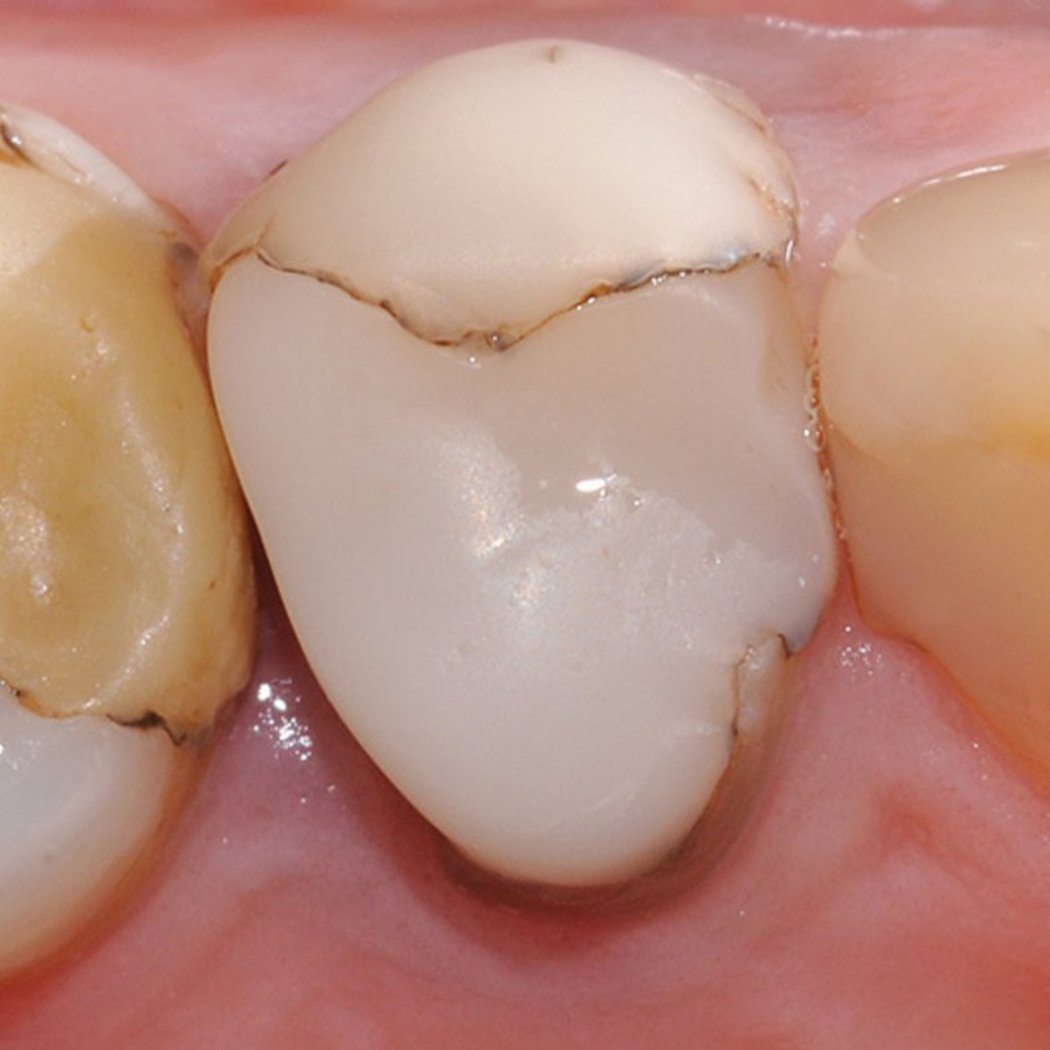
Whether performed with open healing, membrane coverage, or flap management, the goal remains the same: maintain ridge dimensions and preserve future implant options, ideally using the least invasive approach.
Key ridge preservation benefits backed by literature include:
- reduced bone loss in the early healing period
- easier and more predictable implant positioning
- improved soft-tissue contours
- fewer augmentation procedures later
- shorter overall treatment timelines
- higher patient satisfaction
According to Barootchi et al.3, incorporating a collagen membrane during ridge preservation improves ridge-width and ridge-height outcomes by supporting stable wound protection and graft containment.
Cost Comparison: With vs. Without Ridge Preservation
At first glance, skipping ridge preservation might seem cost-effective. But unassisted healing often leads to additional procedures such as GBR, sinus elevation, or soft-tissue augmentation.
Typical additional costs observed in clinical practice:
GBR at implant placement: +€500–€1,500
Sinus elevation: +€800–€2,000
Secondary soft-tissue procedures: case-dependent
Barootchi et al.3 found that sites without ridge preservation experience the highest levels of resorption, ultimately increasing the likelihood and cost of subsequent augmentation — reinforcing the long-term cost-effectiveness of ridge preservation.
Long-Term Cost Effectiveness and Financial Value
The long-term cost-effectiveness of ridge preservation comes from avoiding unnecessary surgical stages, reducing biomaterial consumption at implant placement, and enabling earlier and more straightforward implant workflows. These efficiencies improve patient experience and support better clinical outcomes.
For clinicians, the financial value of ridge preservation includes:
- smoother and more predictable workflows
- reduced chair time for corrective surgeries
- fewer complications and emergency visits
- improved healing and fewer complications after extraction
- enhanced patient satisfaction and loyalty
Together, these factors position ridge preservation as a strategic investment rather than an expense — a conclusion supported by economic modeling in Barootchi et al.3.

Communicating Value to Patients
Discussing cost becomes easier when framed around long-term value and patient outcomes. A clear, structured explanation helps patients understand why ridge preservation cost is part of a smart treatment plan:
- Explain natural bone loss after extraction.
- Compare socket preservation cost with the higher cost of GBR later. While secondary grafting cannot always be avoided, it tends to decrease the need for it in a large number of cases.
- Show how ridge preservation protects their future implant options.
- Highlight practical benefits: fewer surgeries, reduced pain, better aesthetics, faster timelines.
This approach improves patient satisfaction and supports informed decision-making.
Conclusion: A Practical Step With Big Long-Term Value
When comparing ridge preservation cost to the potential expenses of corrective procedures, the long-term financial value becomes clear. Ridge preservation maintains ridge dimensions, reduces complications, improves implant outcomes, and enhances patient satisfaction — all while strengthening practice efficiency and growth.
For clinicians focused on predictable, sustainable implant dentistry, ridge preservation remains one of the most cost-effective and biologically sound decisions you can make.
FAQ – Frequently Asked Questions
1. Is ridge preservation always necessary after extraction?
Not always. It is particularly useful when the timing of implant placement is not clear or needs to be delayed, as well as in cases with a high risk for resorption, such as thin buccal bone or periodontal defects. Evidence shows ridge preservation reduces dimensional loss and supports more predictable implant workflows.

2. How much does ridge preservation typically cost?
Ridge preservation cost usually ranges from €300–€1,000 per site, depending on socket size, biomaterial selection, surgery time, and regional overheads. Although it adds cost upfront, it often prevents more expensive augmentation later.
Beyond patient costs, ridge preservation can simplify future treatment — saving chair time and avoiding additional GBR or sinus elevation.
Estimate the practice-level impact with the Ridge Preservation calculator →
3. How does ridge preservation compare to the cost of GBR later?
If ridge preservation is not performed, bone graft cost at dental implant placement can increase significantly. Additional procedures—such as GBR, sinus elevation, or soft-tissue grafts—raise both complexity and financial burden.
4. What ridge preservation materials give the most predictable outcomes?
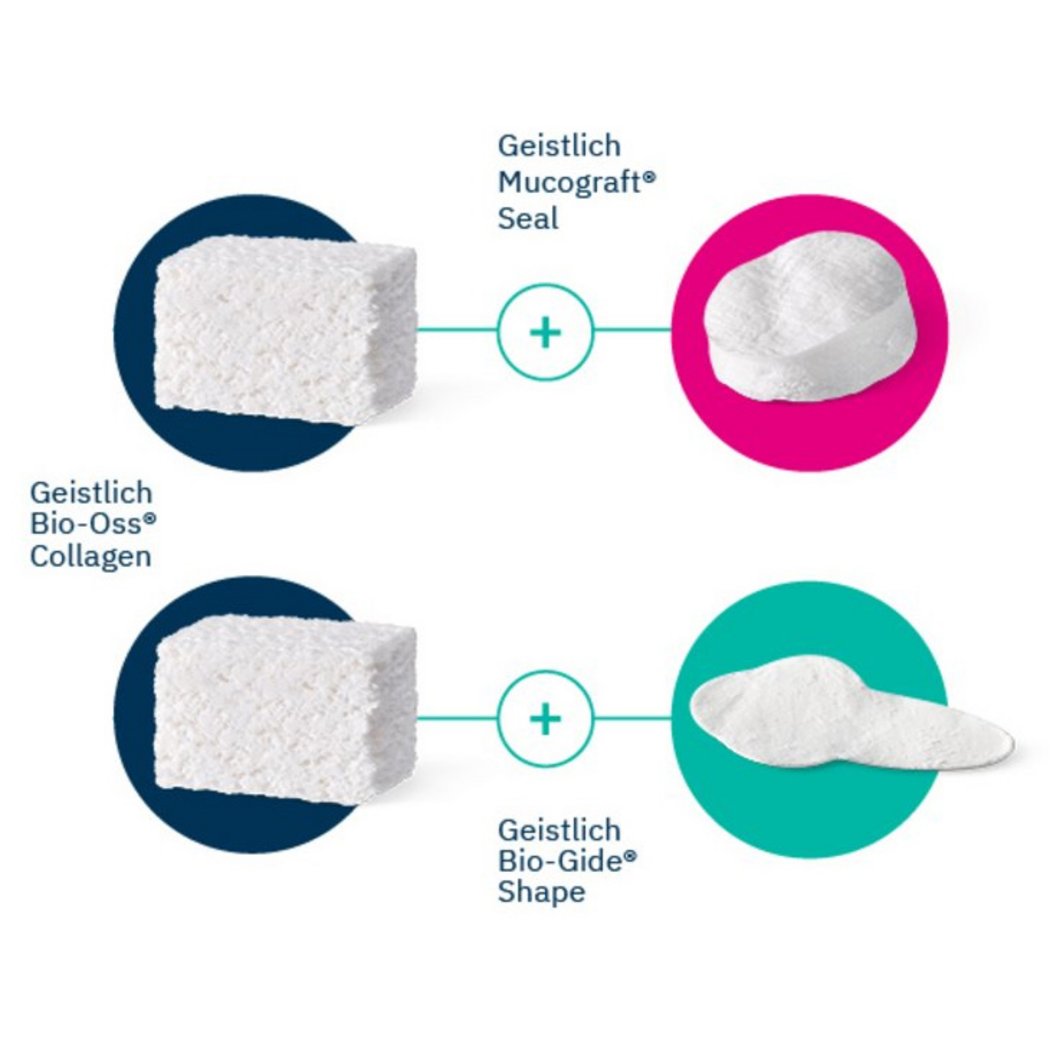
Evidence suggests that xenogeneic grafts combined with a collagen membrane provide stable clinical outcomes with minimal resorption.³
Allograft options combined with a collagen membrane offer results with no significant difference in cost or clinical efficiency.
5. How long does healing take after ridge preservation?
Healing typically takes 3–6 months, depending on patient biology and graft type. Preserved sites generally maintain contour better, making implant planning more straightforward.
6. Do patients feel the financial benefit of ridge preservation?
Yes. The long-term cost-effectiveness of ridge preservation stems from avoiding complex surgeries, shortening treatment sequences, and maintaining ridge structure for implant placement. Patients often value simpler, more efficient care.
7. Does ridge preservation improve patient satisfaction?
Ridge preservation may support higher patient satisfaction by minimising surgeries, improving aesthetics, and enabling smoother implant workflows. Better preservation of the ridge also enhances prosthetic outcomes.
8. Can ridge preservation fail?
Complications are uncommon but possible. Proper case selection, atraumatic extraction, biomaterial quality and stability are key factors in predictable healing.
9. Does ridge preservation delay implant placement?
Yes. In cases where a type 2 or immediate implant placement is possible, performing alveolar ridge preservation (ARP) requires a longer healing period. However, when patient-related factors (medical history, need for additional treatment, financial limitations) or clinician-related factors (limited experience with immediate placement) are present, performing ARP and converting the case to a delayed approach can be highly beneficial, maximising bone and soft tissue volumes for future implant placement.
10. How should I explain ridge preservation cost to patients?
Position the procedure as an early investment that prevents more expensive treatments later. Comparing socket preservation cost with the higher cost and complexity of GBR helps patients understand both the clinical and financial value.
References
- Araújo MG, et al.: J Clin Periodontol. 2005 Feb;32(2):212-8.
- Schropp L, et al.: Int J Periodontics Restorative Dent. 2003 Aug;23(4):313-23.
- Barootchi S, et al.: Periodontol 2000. 2023 Jun;92(1):235-262.
- Cha JK, et al.: Clin Oral Implants Res. 2019 Jun;30(6):515-523.
- Jonker BP, et al.: Clin Oral Implants Res. 2021 Sep;32(9):1041-1051.
- Jung RE, et al.: J Clin Periodontol. 2013 Jan;40(1):90-8.
*Product availability may vary depending on the country.

Dr. Beatriz Sanchez
Dental Surgeon at The Campbell Clinic,
Faculty Member of the The Campbell Academy