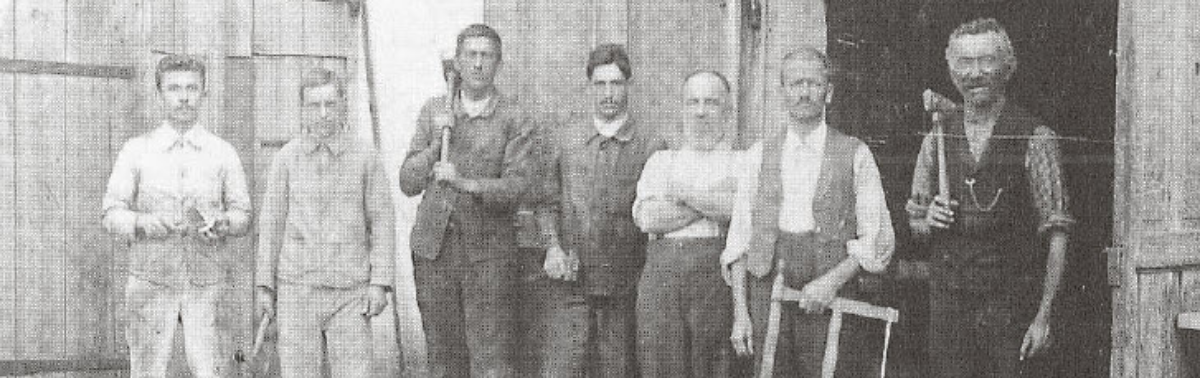
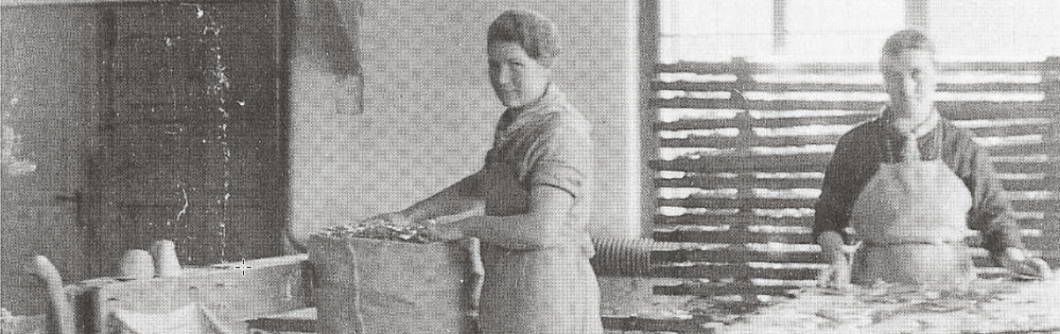
In the early 1930s, Europe was in the throes of a severe economic crisis. Despite the difficult situation, Geistlich remained true to its values: the company continued to pay pensions to 46 employees and offered 90 days of unemployment insurance. Although wages had to be cut by 10 percent in 1932, social responsibility remained an integral part of the company's policy.
Innovation as the answer
With the advent of chemical-synthetic glues, Geistlich recognized the opportunities early on and entered into their production in 1933. The semi-chemical veneer glue Tycol was patented in 18 countries and marked the beginning of a new era. During World War II, the waterproof glue Gewocol followed, and later synthetic resin glues – innovation as a response to the challenges of the time.
Glue as a binding agent
At the same time, Geistlich fertilizer played a key role in the “cultivation battle” when Switzerland was forced to become self-sufficient. The product, made from bone meal, was the only domestic phosphorus-containing fertilizer and ensured the country's food supply.
What has always distinguished Geistlich is loyalty and consistency. As early as 1895, the company introduced free accident insurance, followed later by support funds and family-friendly benefits. In 1941, a third of the workforce had been with the company for over 20 years – as one employee put it: “Geistlich glue is an excellent binding agent.”
Yesterday as today: progress and responsibility go hand in hand at Geistlich.