175 years of pioneering spirit at a glance
From bone processing to regenerative medicine, from a local glue factory to a global leader in dental medicine. Join us on a journey through 175 years of innovation, courage, and transformation.
Switzerland’s first glue factory
Just three years after the Swiss federal state was founded, Heinrich Glättli and Heinrich Geistlich established Switzerland’s first glue factory on Lake Zurich, laying the foundation for today’s Geistlich.
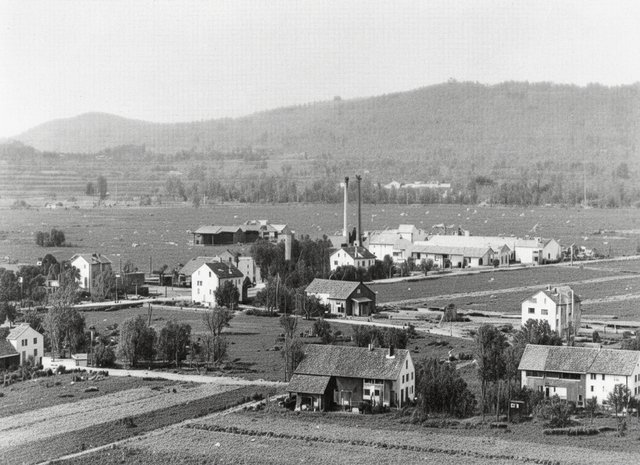
Move to Schlieren
The factory moved to Schlieren, becoming the town’s first industrial enterprise. With 13 employees, production expanded to fertilizer made from deglazed bones.
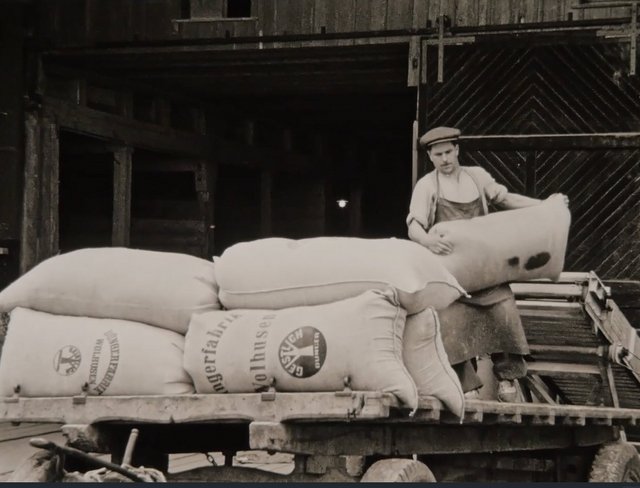
Eduard Geistlich goes international
After his father’s death, Eduard Geistlich took over and began expanding internationally. Despite tariffs and competition, the company’s quality stood out, gaining recognition abroad.
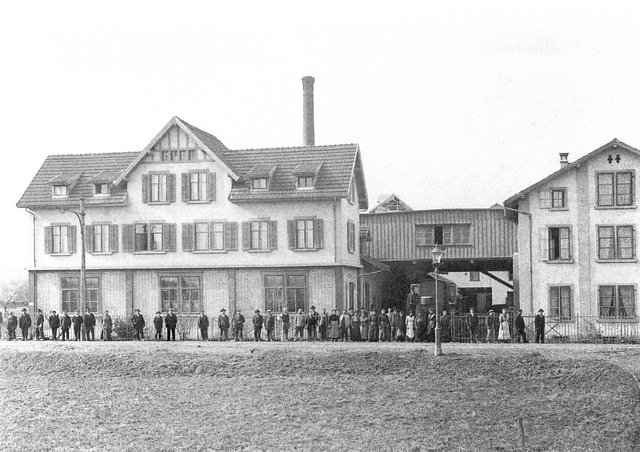
New production site in Wolhusen
Geistlich acquired a hosiery and button factory in Wolhusen. One year later, Eduard Geistlich's 18-year-old son converted the site to glue and fertilizer production. After the opening of the Simplon Tunnel in 1905, then the longest in the world, Geistlich hired skilled workers who had become available to build a water channel for another hydroelectric power plant. The electricity generated supplied not only the factory but also three surrounding villages.
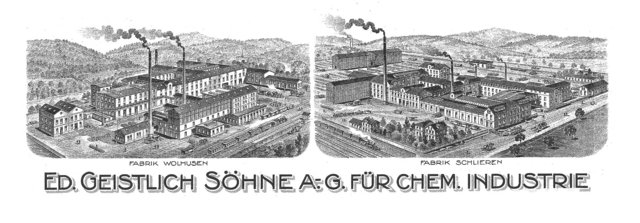
Shaping the Limmat Valley
Eduard Geistlich was a pioneer who left a lasting mark on Schlieren. Under his leadership, the production facilities expanded steadily, and he also helped drive the development of the region: he initiated the first electricity supply, contributed to the construction of the Limmattalbahn railway (1901), and installed the first telephone, which he made available to the public free of charge. As early as 1902, he opened a kindergarten and supported the reopening of the secondary school. Geistlich’s forward-looking attitude continues to shape the company to this day—a company that proudly bears his name.
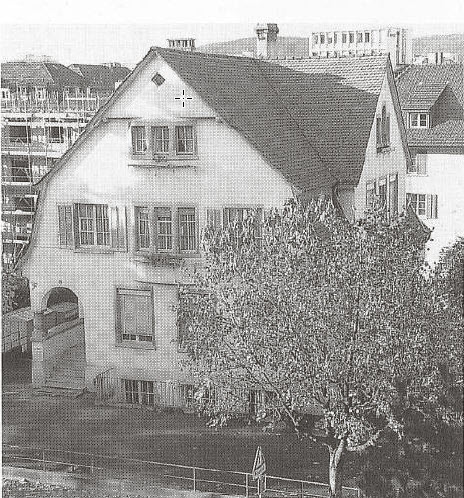
A family stepping into the future
After Eduard’s death, his eight children took over and established the family-owned stock corporation “Ed. Geistlich Söhne AG,” ensuring independence and readiness for new beginnings.
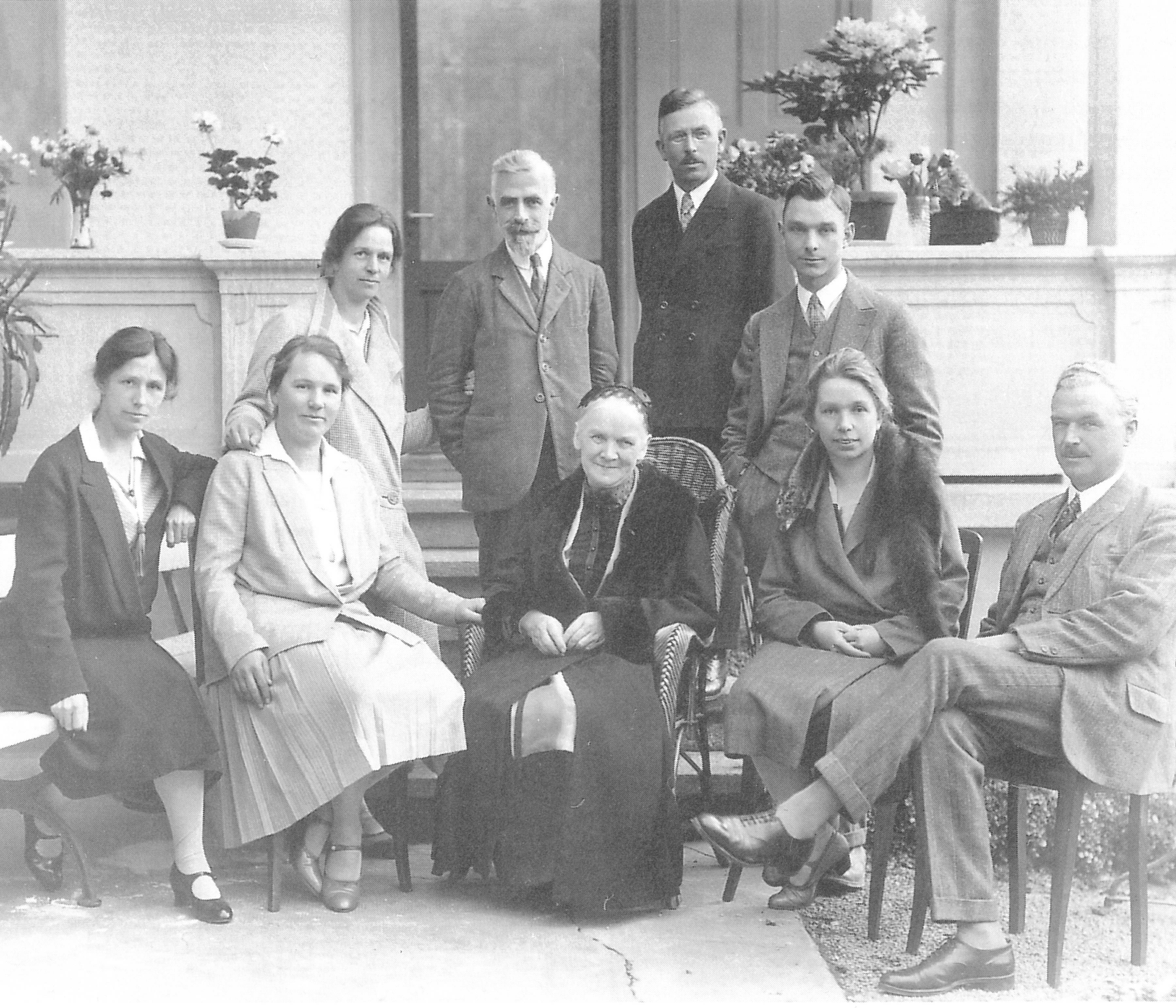
Staying resilient through World War I
Demand for glue and fertilizer rose sharply. Geistlich arranged bone imports from Spain, Malta, and France—often trading glue in return. Despite these challenging times, the company invested in a welfare center in 1917 with a kitchen, dining room, and bathrooms for its employees, and also supported local housing.
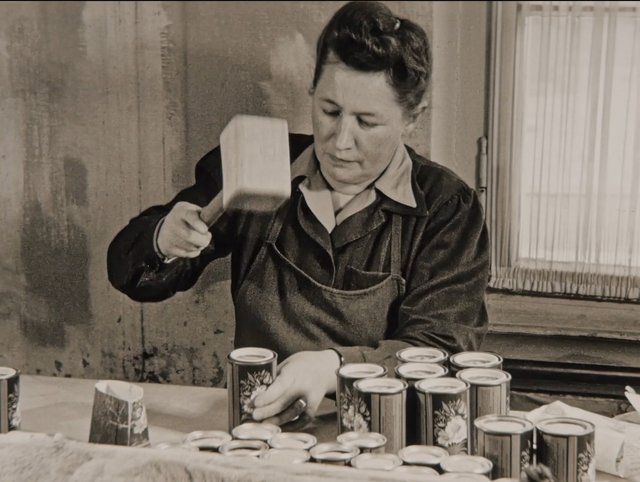
Technological breakthrough in synthetic glue
During the global economic crisis, Geistlich continued supporting employees with pensions and 90 days of unemployment insurance. In 1933, the company launched “Tycol,” its first synthetic glue, and patented it in 18 countries.
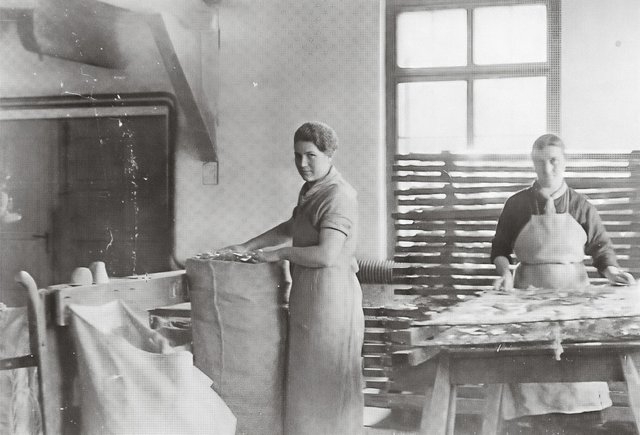
A new pharmaceutical division
During World War II, Geistlich fertilizer became indispensable for Switzerland’s self-sufficiency. Despite restrictions and shortages, Geistlich founded a pharmaceutical division in 1943. Two years later, the company launched its first human pharmaceutical, Decalcit®, a calcium and vitamin D preparation, which was distributed internationally and remains available today.
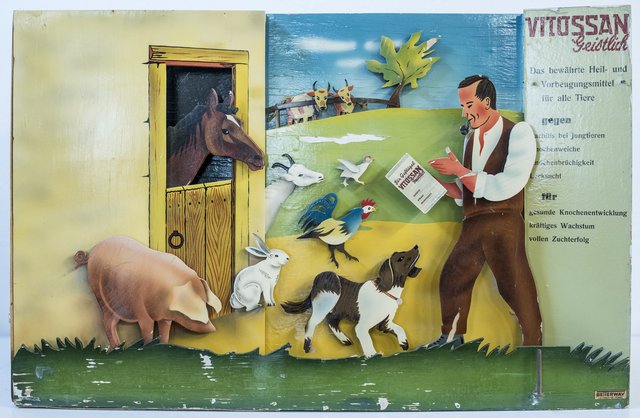
Milestone in pharmaceutical industry
Geistlich expanded research infrastructure, built new laboratories, its own research library, and modernized production. For its 100-year anniversary in 1951, the company acquired Delta-Werke in Zofingen and launched GT 50, a gout medication that significantly alleviates pain.
Innovation in adhesives
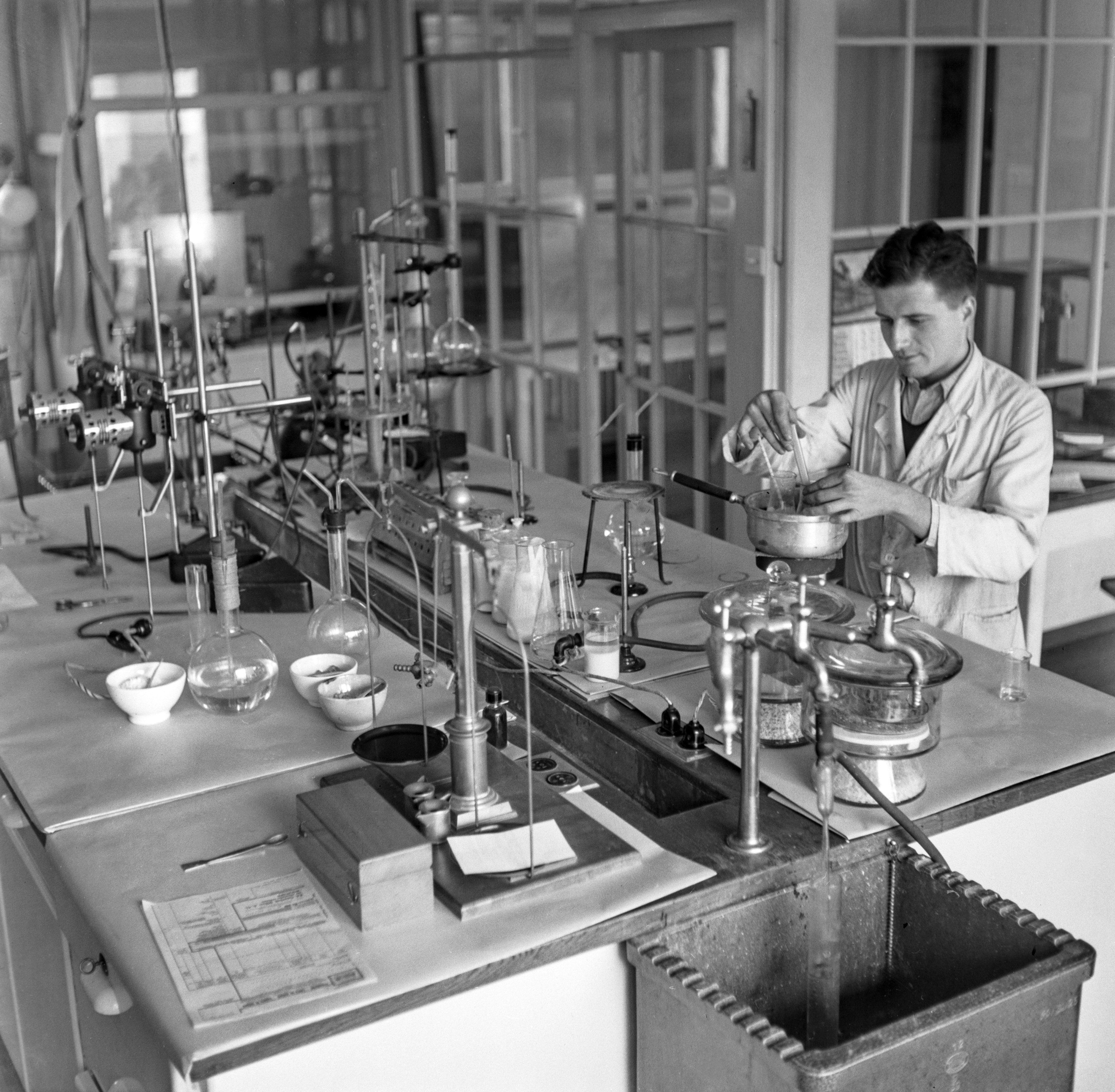
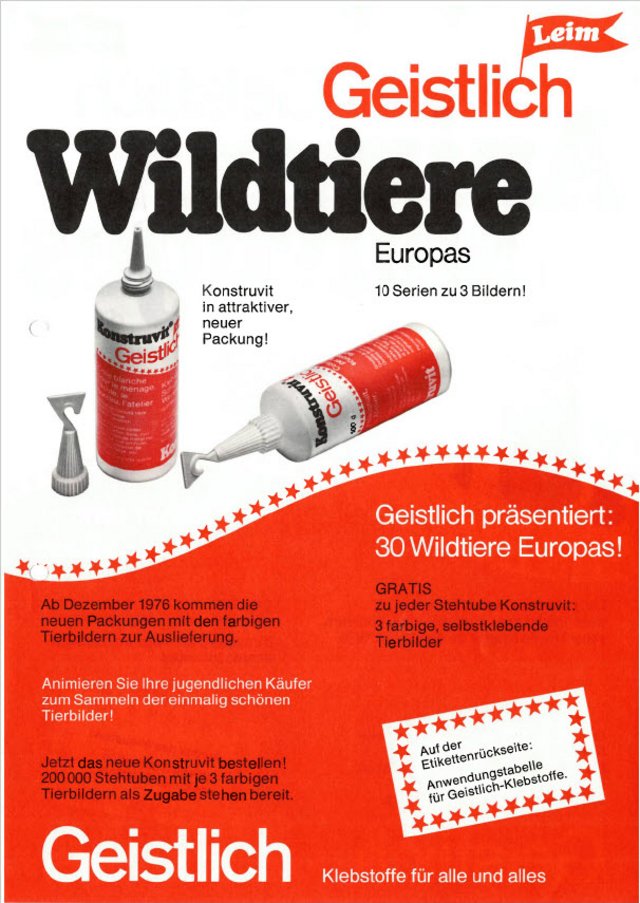
Geistlich invested in a modern manufacturing facility with laboratories dedicated to adhesive research. A year later, the company launched Konstruvit, a versatile white glue that found its way into almost every Swiss household. In 1964, Geistlich commissioned an advanced polymerization plant and expanded its portfolio with new products, including wood glues, construction adhesives, wall coatings, floor adhesives, and a do-it-yourself range.
Stepping into regenerative medicine
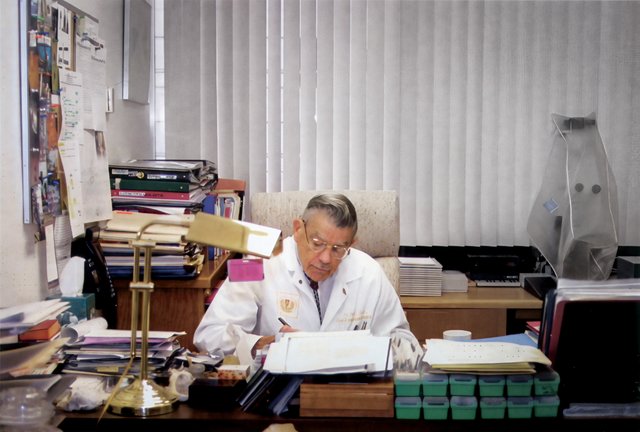
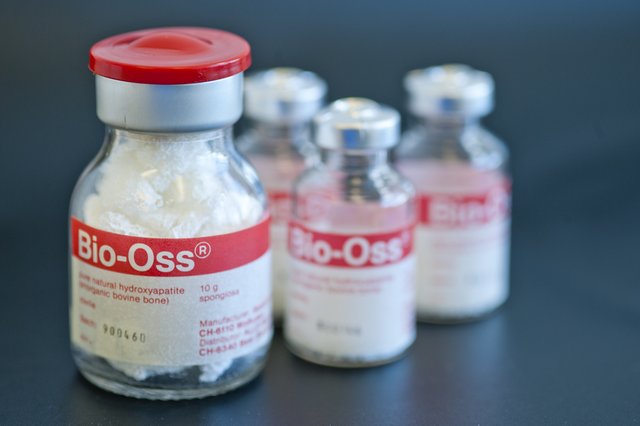
In 1974, Geistlich reorganized its production facilities, moving bone glue production to Schlieren and gelatin and fertilizer production to Wolhusen. The company also ventured into regenerative medicine: in 1981, it began collaborating with Dr. Philip J. Boyne on jawbone reconstruction. In 1986, initial clinical findings with Geistlich Bio-Oss® were communicated, laying the groundwork for a breakthrough in dental regeneration.
Pioneering dental regeneration
In 1987, Geistlich Bio-Oss® received approval in the USA. In 1997, Geistlich Bio-Gide® became the first collagen membrane for dental regeneration. A special highlight was the 1992 World Expo in Seville: the world’s tallest paper tower stood thanks to Geistlich glue.
Advancing research and education
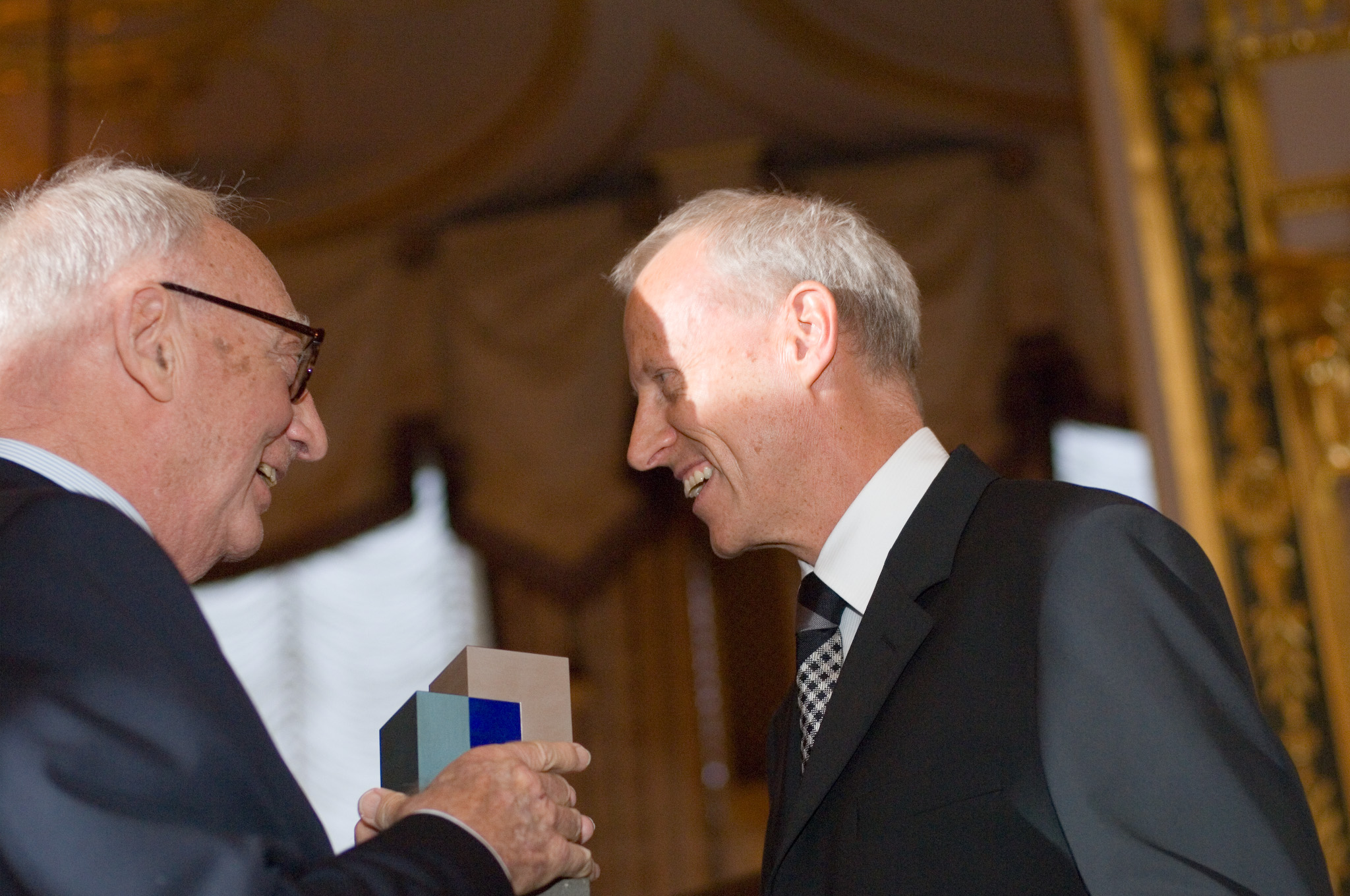
In 2003, Geistlich helped establish the Osteology Foundation to advance research and education in regenerative dentistry. In 2004, a team of surgeons at the University of Kiel achieved a medical breakthrough: the regeneration of an entire lower jaw inside the patient’s body, using Geistlich Bio-Oss® among other materials. The operation attracted worldwide attention.
Investments and international growth
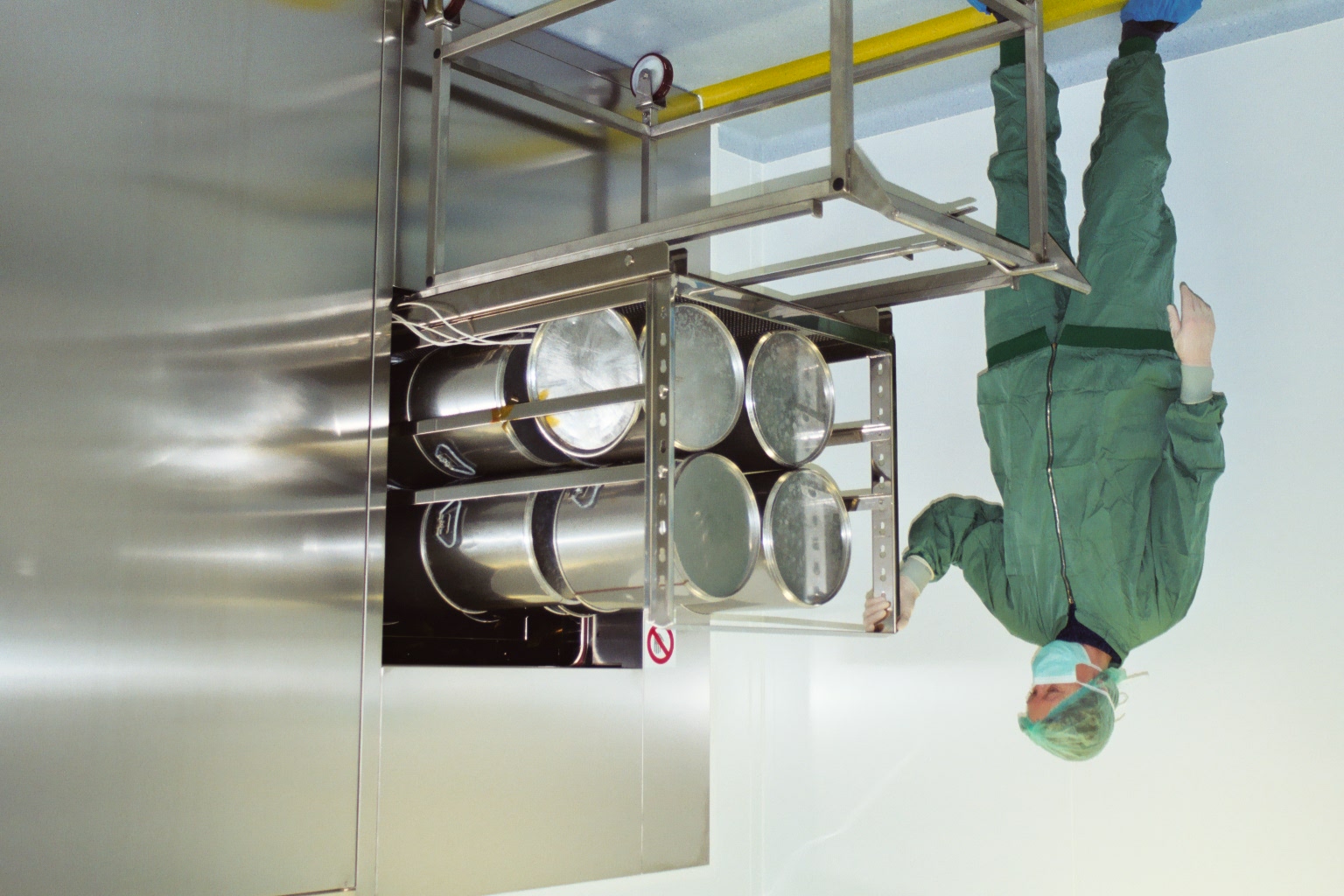
Geistlich invested CHF 30 million to modernize its Wolhusen site, creating new clean rooms and laboratories. At the same time, new subsidiaries brought Geistlich products closer to clinicians worldwide. The product portfolio continues to grow through innovations such as Geistlich Mucograft®, a collagen matrix specifically developed for soft tissue regeneration in the oral cavity.
Focus on regenerative medicine
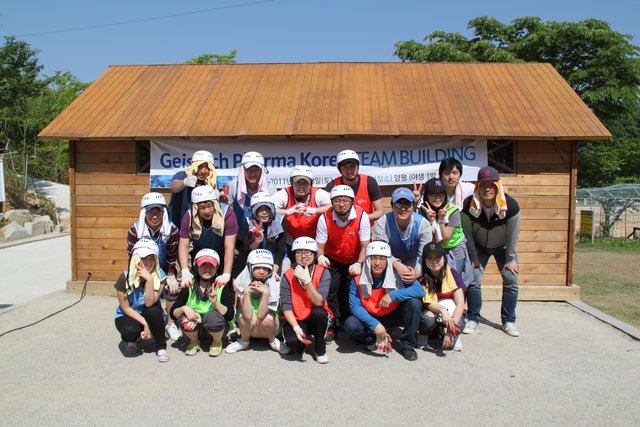
Geistlich established subsidiaries in North America, Brazil, Australia, and India, and acquired its partner in Korea. With products like Geistlich Fibro-Gide® and Geistlich Derma-Gide®, the company set new standards in soft-tissue regeneration and wound care.
Navigating the pandemic
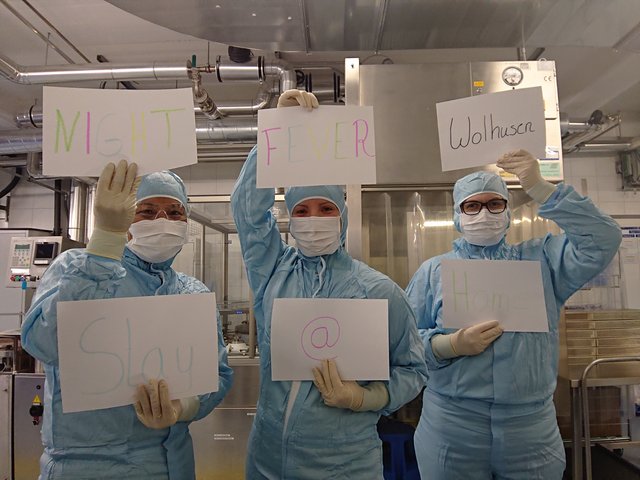
When COVID-19 struck, the Swiss Federal Office of Public Health’s initial recommendation in March 2020 to stay at home, if possible, was very difficult—or even impossible—for many employees to follow. Ensuring Geistlich’s ability to deliver remained essential. Teams were divided into separate groups so that, in the event of an infection, one group could go into quarantine while the other continued working.
Strategic partnerships worldwide
Geistlich transformed its former Schlieren production site into new residential spaces while expanding globally through acquisitions or partnerships, including META Technologies in Italy, Lynch Biologics in the US, Bionnovation Biomedical in Brazil, O.S.T Développement in France, ReOss in Germany, and an exclusive distribution partnership with StimLabs® in the US. These steps strengthened Geistlich’s capacity for innovation, wound care expertise, and international presence.
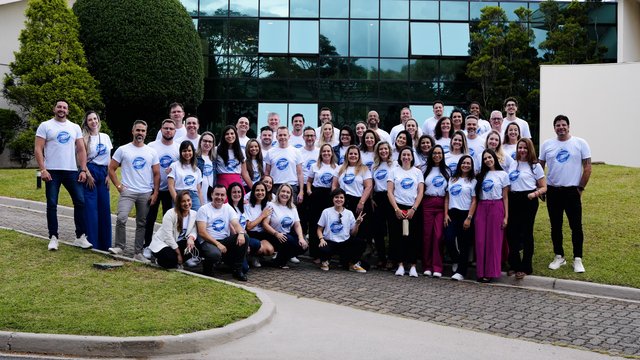
Shaping the next decade
In the coming years, Geistlich will expand its portfolio and tailor solutions even more closely to the needs of different customer groups and market segments. Specialists, dental service organizations (DSOs), general practitioners, and emerging markets will increasingly receive customized solutions. By 2035, the company aims to improve the quality of life of more than 80 million people through regenerative dentistry. With a strong innovation pipeline, Geistlich is entering a new chapter—one built on new technologies, new brands, and new ways to support clinicians worldwide.