Horizontal ridge augmentation with the Sausage Technique™

Restoring Bone Volume for Implant Placement
Insufficient alveolar ridge width can make implant placement challenging, particularly when the available bone volume does not allow for optimal implant positioning. In such cases, horizontal ridge augmentation using guided bone regeneration (GBR) can help establish the necessary bone dimensions before implant placement.
In this clinical case, Dr. Andrea Ravidà and Dr. Jasper K. Wu demonstrate how the Sausage Technique™, using a mixture of autologous bone and Geistlich Bio-Oss® covered with a Geistlich Bio-Gide® Forte, was applied to reconstruct a deficient mandibular ridge.
The staged approach resulted in substantial horizontal bone gain, creating favorable conditions for prosthetically driven implant placement.
Download the Interactive BioBrief
Clinical Challenge: Insufficient Ridge Width
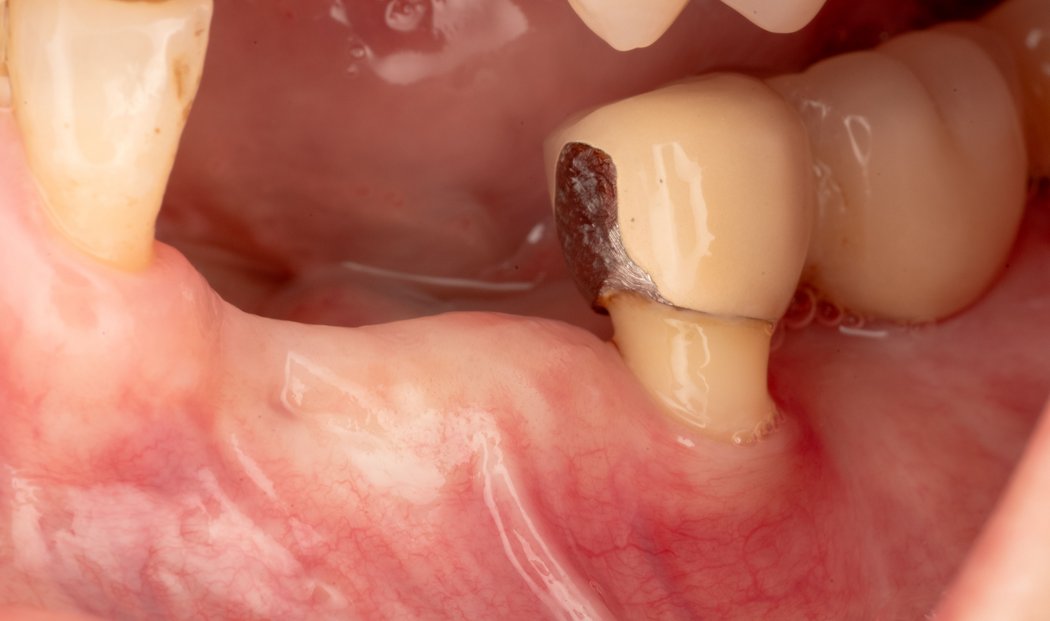
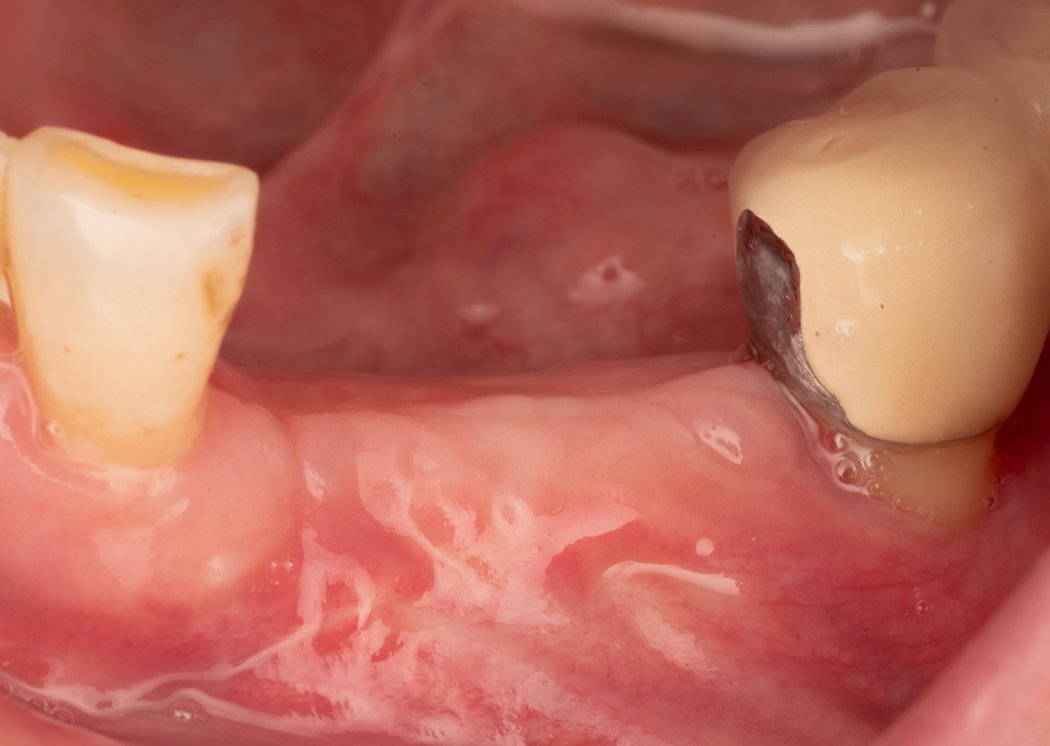
A healthy, non-smoking 49-year-old female patient presented with a significant discrepancy in bone dimensions in the mandibular canine region.
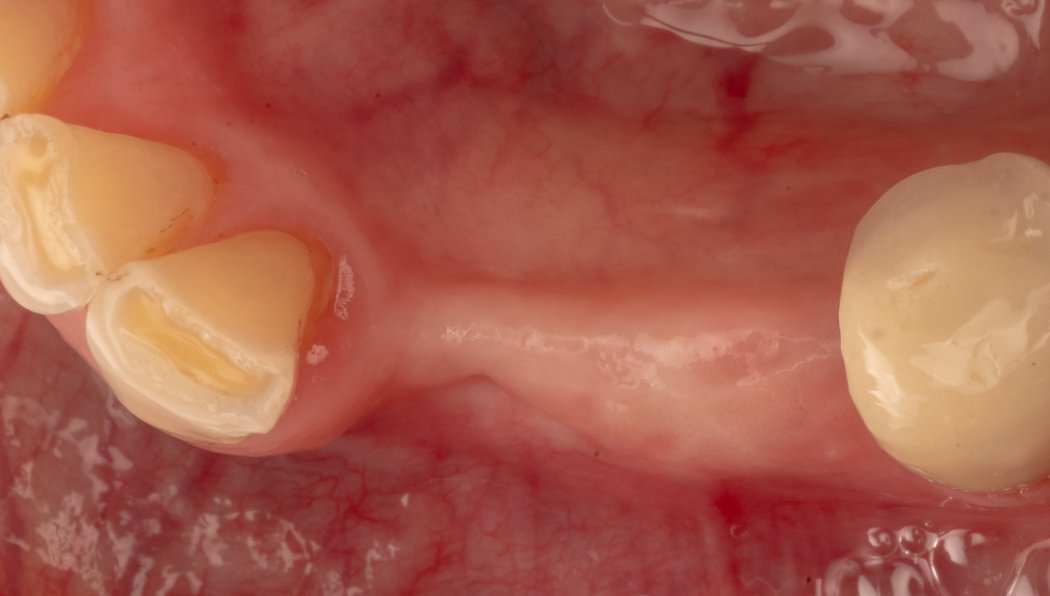
The reduced ridge width compromised the possibility of appropriate implant placement and positioning without prior bone augmentation. The treatment objective was therefore to restore sufficient horizontal bone volume through GBR, followed by implant placement after graft healing.
As Dr. Ravidà explains:
Horizontal Ridge Augmentation Using the Sausage Technique™
The Sausage Technique™ is a GBR approach that uses a collagen membrane stabilized with fixation pins to contain and support the bone graft material.
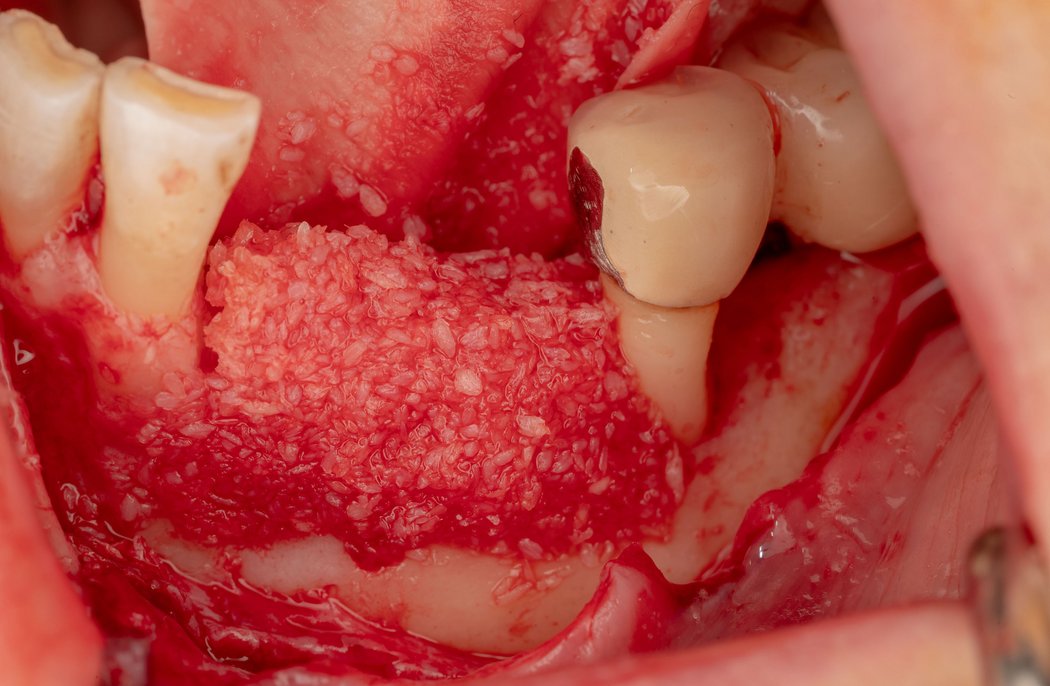
In this case, Geistlich Bio-Gide® Forte was selected as the barrier membrane, together with a 50:50 mixture of Geistlich Bio-Oss® and autologous bone.
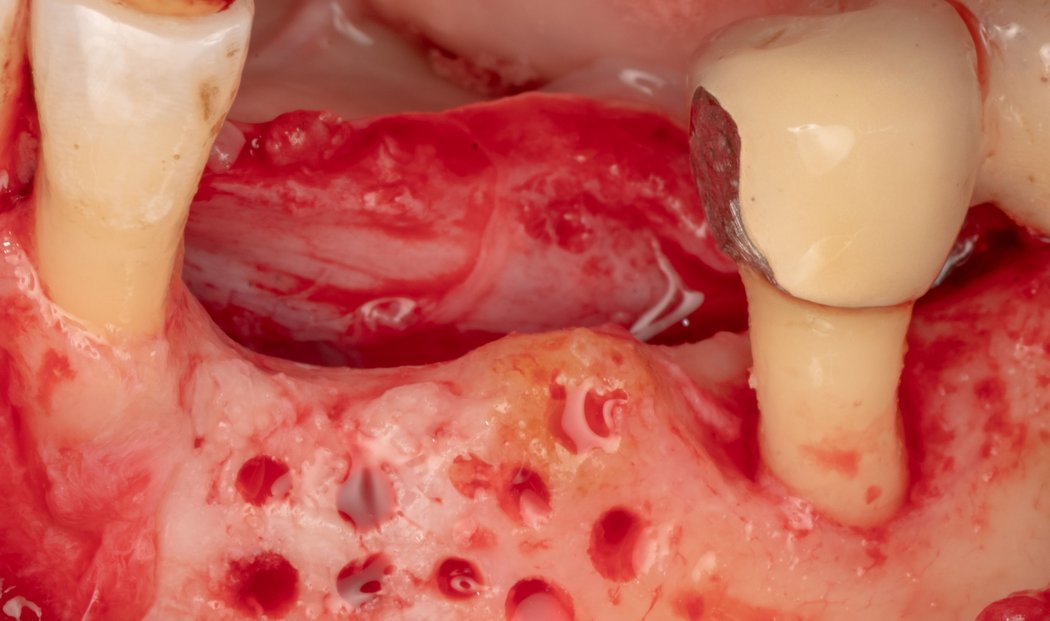
Step 1: Flap Preparation and Decortication
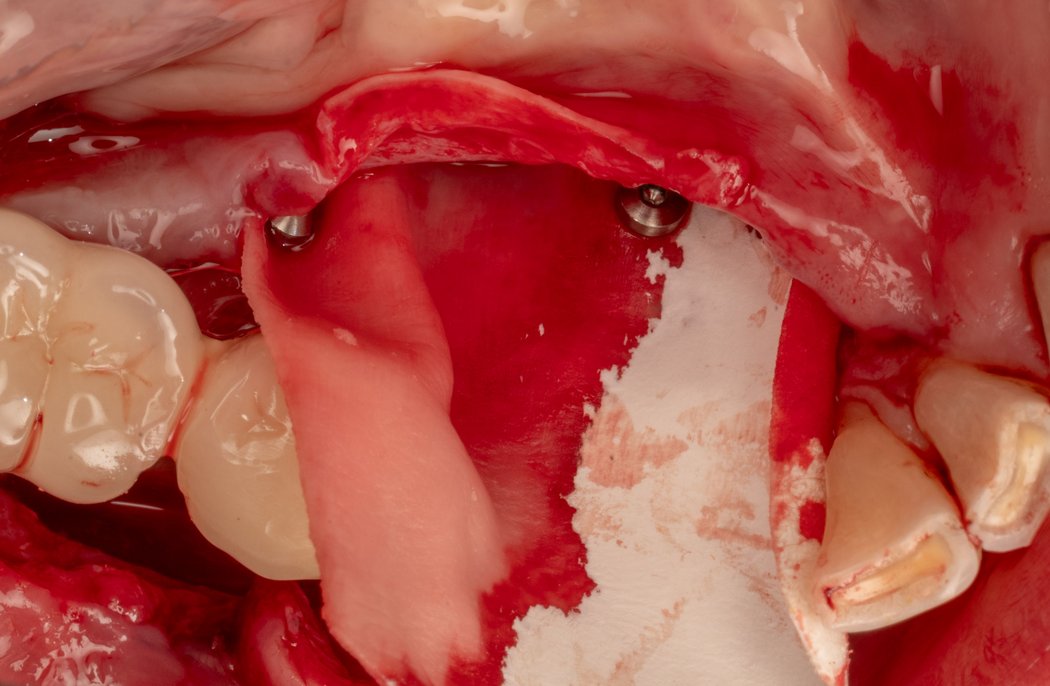
Following flap elevation, the deficient ridge was exposed, and decortication was performed. The flap was mobilized to facilitate subsequent wound closure.
Step 2: Membrane Fixation and Bone Grafting
Geistlich Bio-Gide® Forte was initially fixed with pins on the lingual aspect of the ridge.
The space beneath the membrane was then filled with a 50:50 mixture of Geistlich Bio-Oss® and autologous bone to reconstruct the missing horizontal bone volume.
Step 3: Stabilization of the Grafted Site
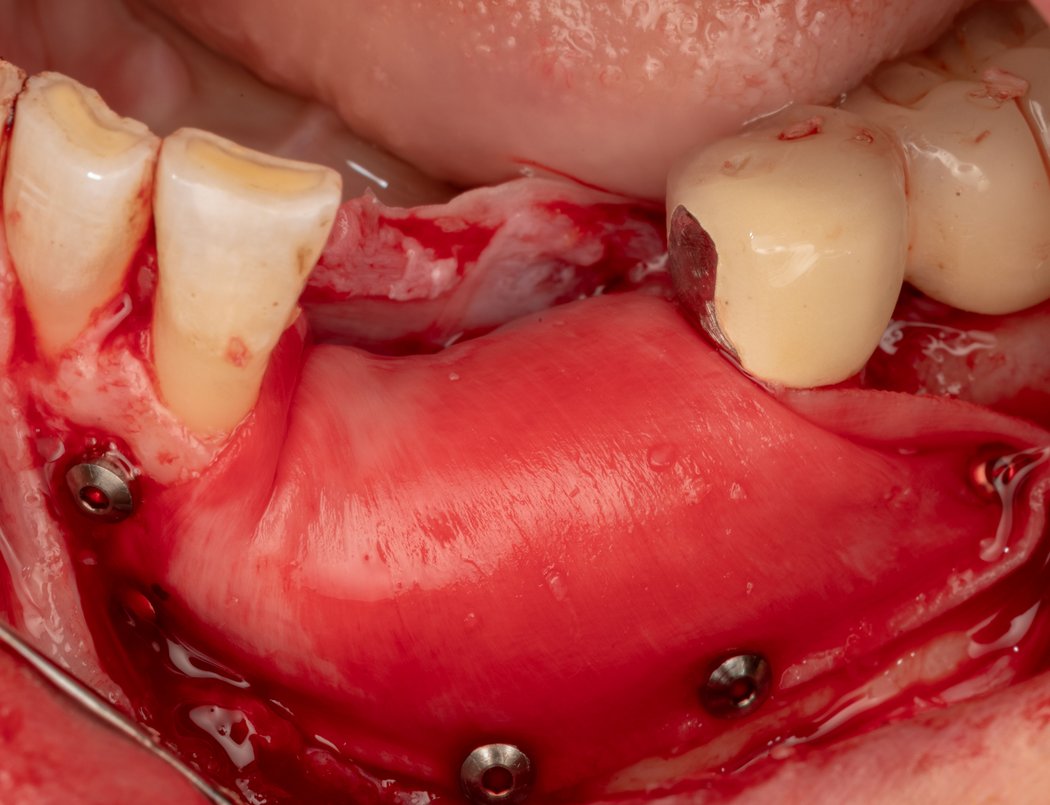
After placement of the graft material, the membrane was secured with additional pins on the buccal aspect, completing the Sausage Technique™.
Stable membrane fixation was essential to maintain the augmented space and minimize graft movement during healing.
Why Membrane Handling Matters
The ability to adapt and position the membrane around fixation pins is particularly relevant when performing this technique.
Dr. Ravidà highlights the handling characteristics of Geistlich Bio-Gide® Forte:
Clinical Outcome: Horizontal Bone Gain at Six Months
The postoperative healing period demonstrated progressive development of the augmented ridge.
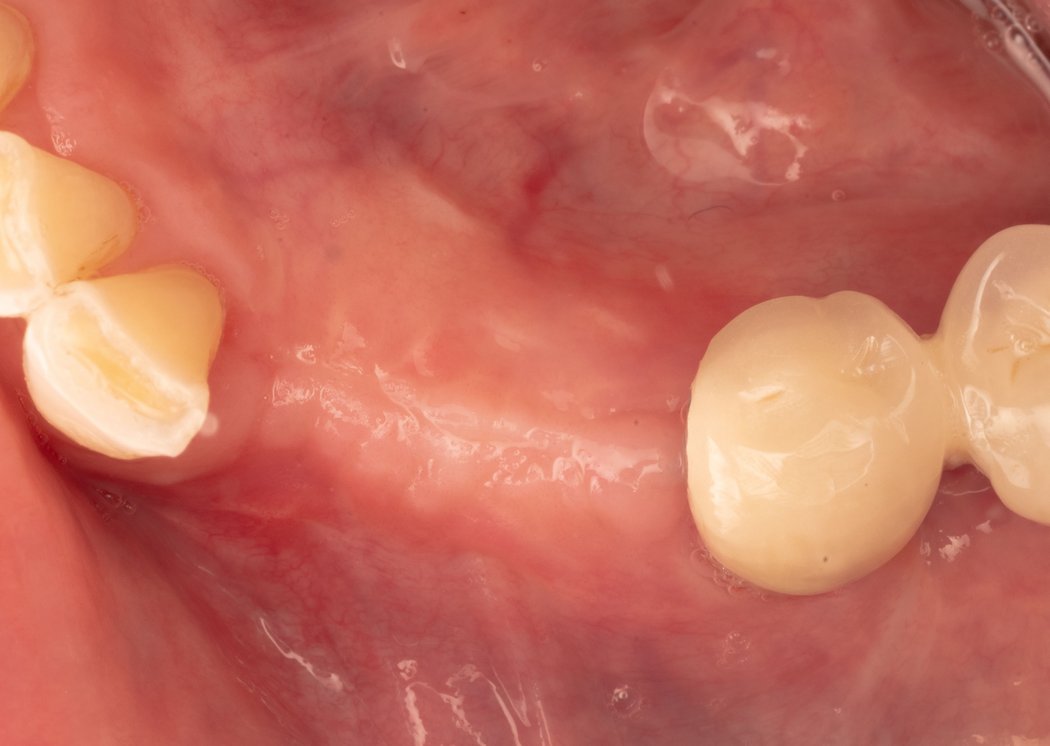
At three months, clinical examination showed visible horizontal bone gain and favorable soft-tissue maturation.
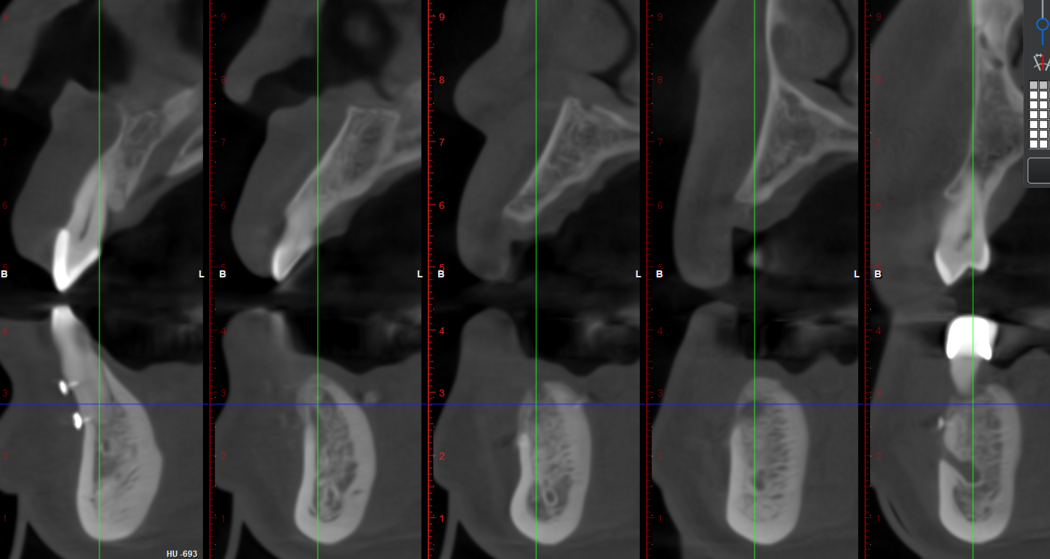
Five-month CBCT cross-sections demonstrated sufficient ridge width for implant placement.
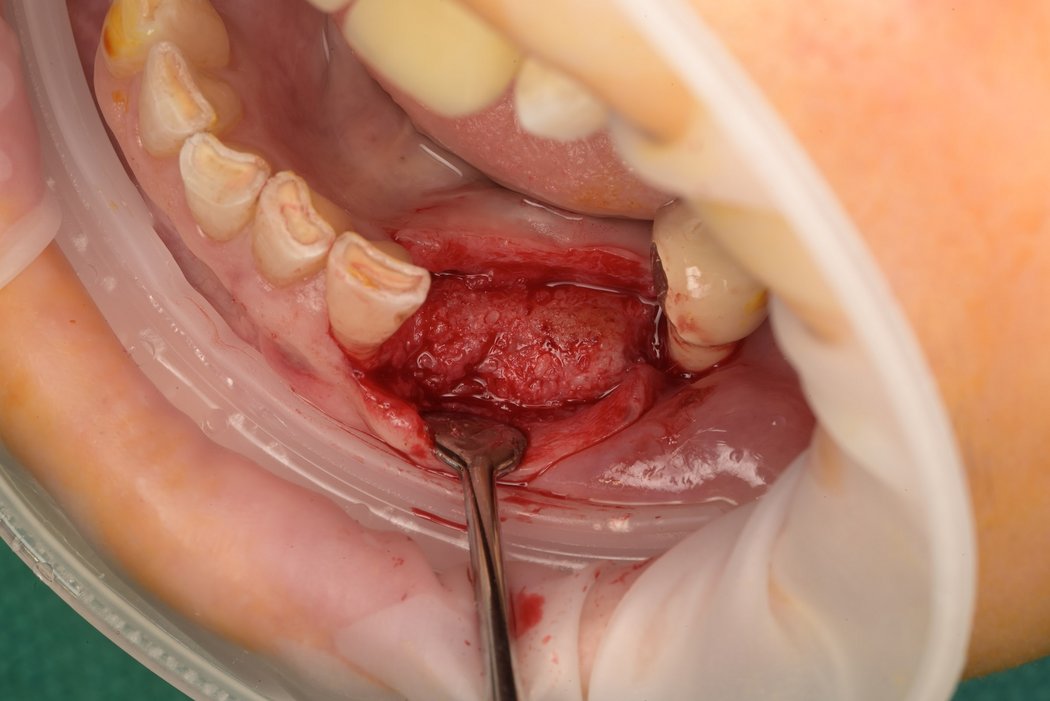
At six-month re-entry, the graft appeared stable and well-integrated, allowing the clinicians to proceed with implant placement in the planned prosthetic position.
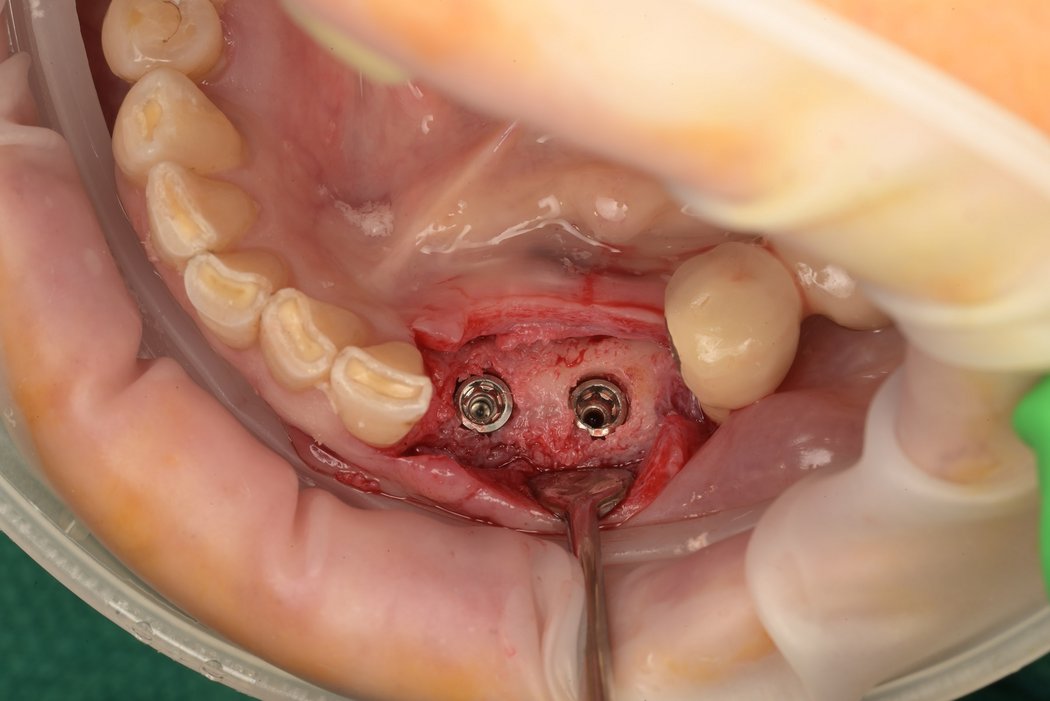
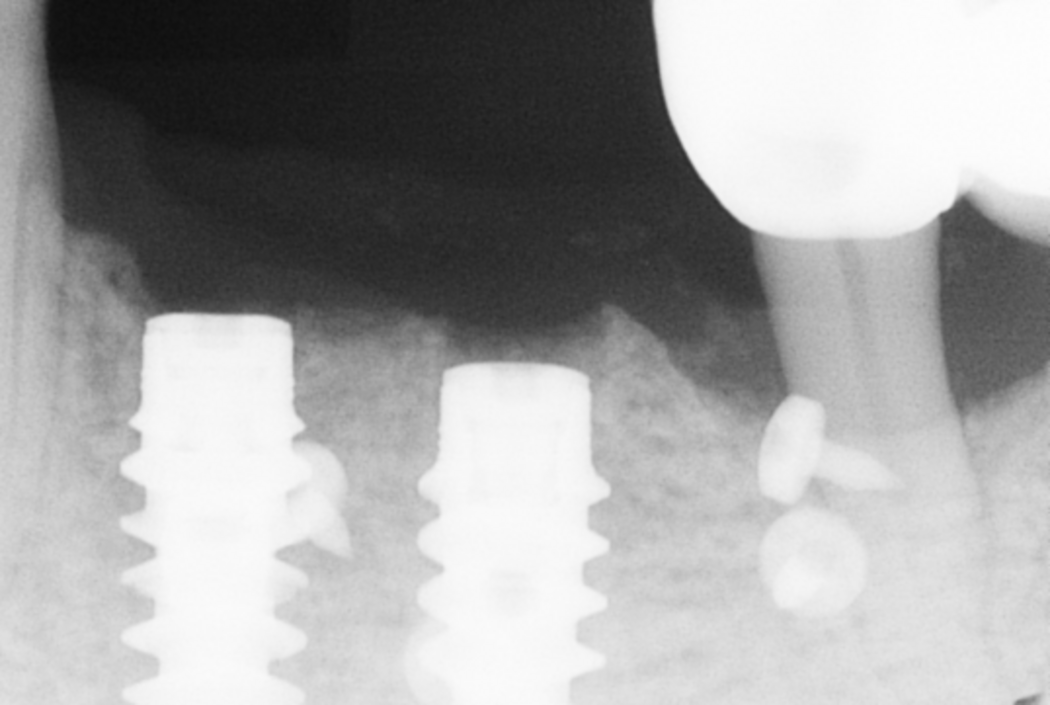
The clinical outcome illustrates how staged horizontal ridge augmentation can help overcome anatomical limitations that would otherwise compromise implant positioning.
Four Keys to Successful Guided Bone Regeneration
Based on this clinical case, Dr. Ravidà and Dr. Wu emphasize four considerations for successful GBR:
- Primary closure: Careful flap management and appropriate suturing techniques support undisturbed healing.
- Material selection: Selecting suitable bone grafting materials is important for achieving the intended augmentation.
- Stable membrane fixation: Proper fixation supports space maintenance and graft stability throughout healing.
- Patient compliance: Regular follow-up and maintenance visits are important for monitoring healing and supporting long-term treatment success.
Clinical Takeaway
Horizontal ridge deficiencies do not necessarily prevent prosthetically driven implant placement when an appropriate augmentation strategy is used.
In this case, the Sausage Technique™, performed with Geistlich Bio-Gide® Forte and a combination of Geistlich Bio-Oss® and autologous bone, achieved substantial horizontal bone gain over six months.
The case highlights the importance of careful flap management, stable membrane fixation, and appropriate graft material selection in establishing a suitable foundation for subsequent implant placement.