How Geistlich Bio-Oss® became the gold standard in bone regeneration
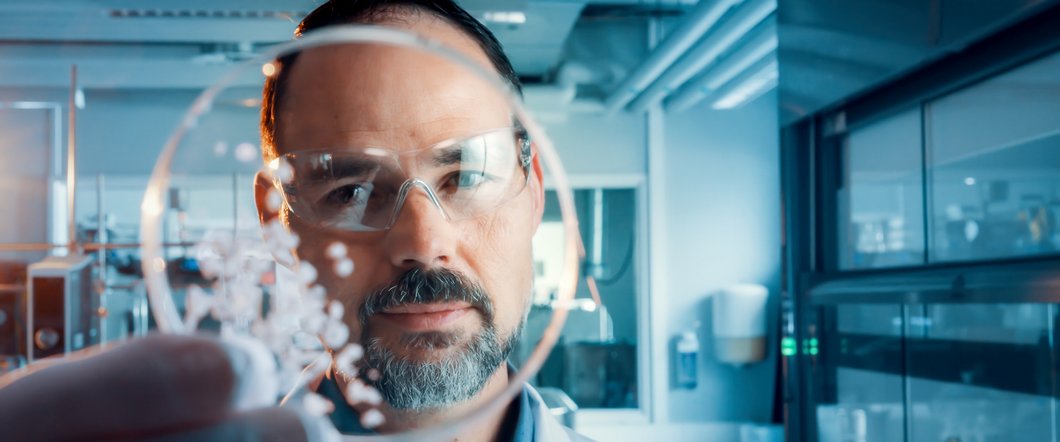

As Geistlich celebrates its 175th anniversary, we look back at the encounters that led Dr. Peter Geistlich to California in the 1980s, and inspired the idea for a product that would transform regenerative medicine: Geistlich Bio-Oss®.
Key Takeaways for Busy Clinicians
- There is no single “best” approach > case selection determines success
- Long-term stability depends on slow resorption and osteoconductive properties
- Materials that mimic natural bone provide more predictable outcomes
→ See how this translates into clinical outcomes below.
Treating bone defects: a persistent clinical challenge
Restoring lost bone remains one of the most demanding tasks in implant dentistry. Clinicians must balance biological limitations, material properties, and long-term stability, often under challenging anatomical conditions.
Today, Geistlich Bio-Oss® is widely regarded as a gold standard for bone regeneration. Its success is rooted in a fundamental principle:
→ Preserving the natural structure of bone to enable predictable regeneration.
As Geistlich marks its 175th anniversary, this milestone provides an opportunity to reflect on the principles that have shaped its innovations over time, and why it continues to shape clinical practice today.
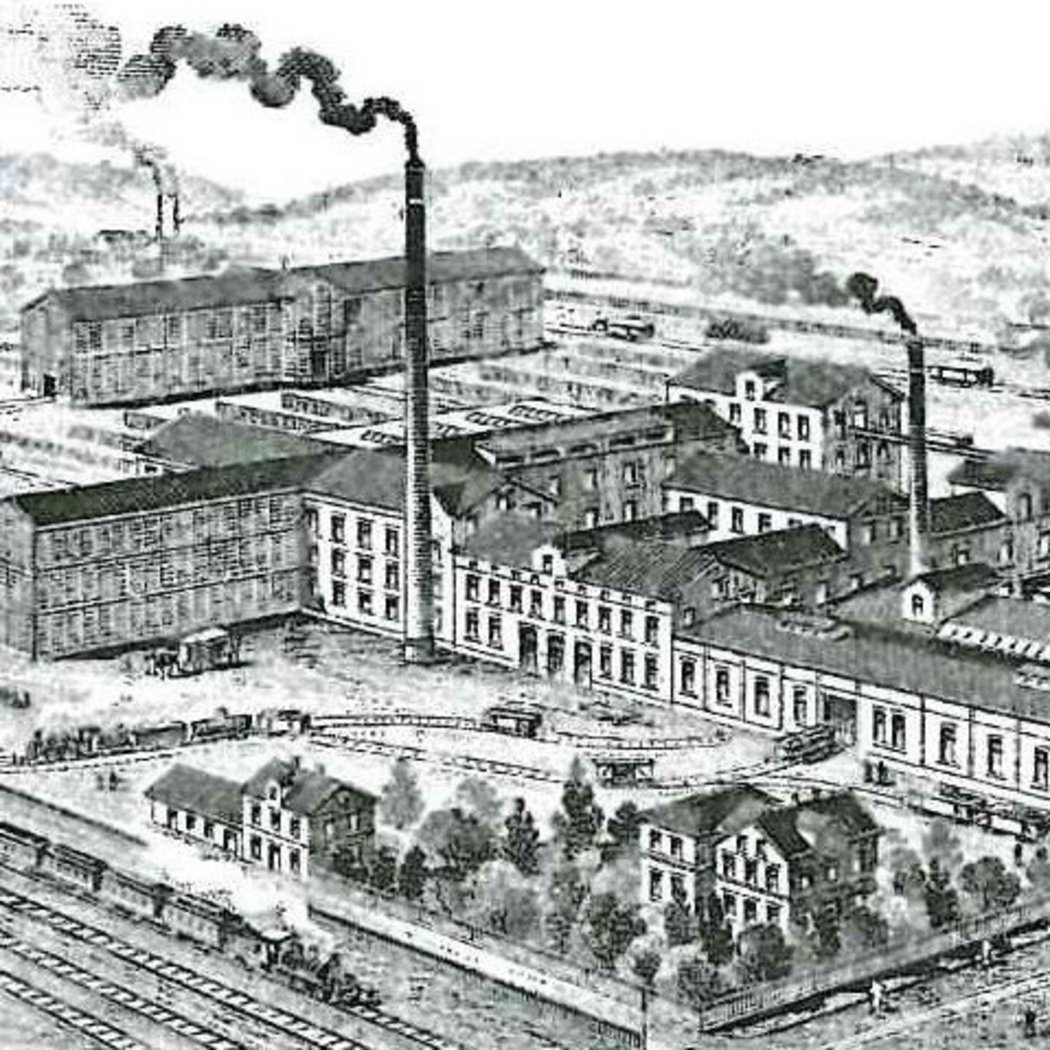
The story behind Geistlich Bio-Oss® has roots stretching back much further than regenerative medicine. Discover how 175 years of pioneering spirit took Geistlich from bone processing and glue production to regenerative dentistry.
The clinical problem: limited options and high risks
In the 1970s, clinicians treating bone defects faced significant limitations. Autogenous bone required an additional surgical site and offered only limited availability. Allografts carried risks such as immune reactions and disease transmission. Synthetic materials, while available, often failed to integrate due to their lack of structural similarity to natural bone.
A critical issue remained unresolved: none of these options could replicate the complex architecture of human bone, an essential prerequisite for successful regeneration.
A turning point: the role of natural bone structure
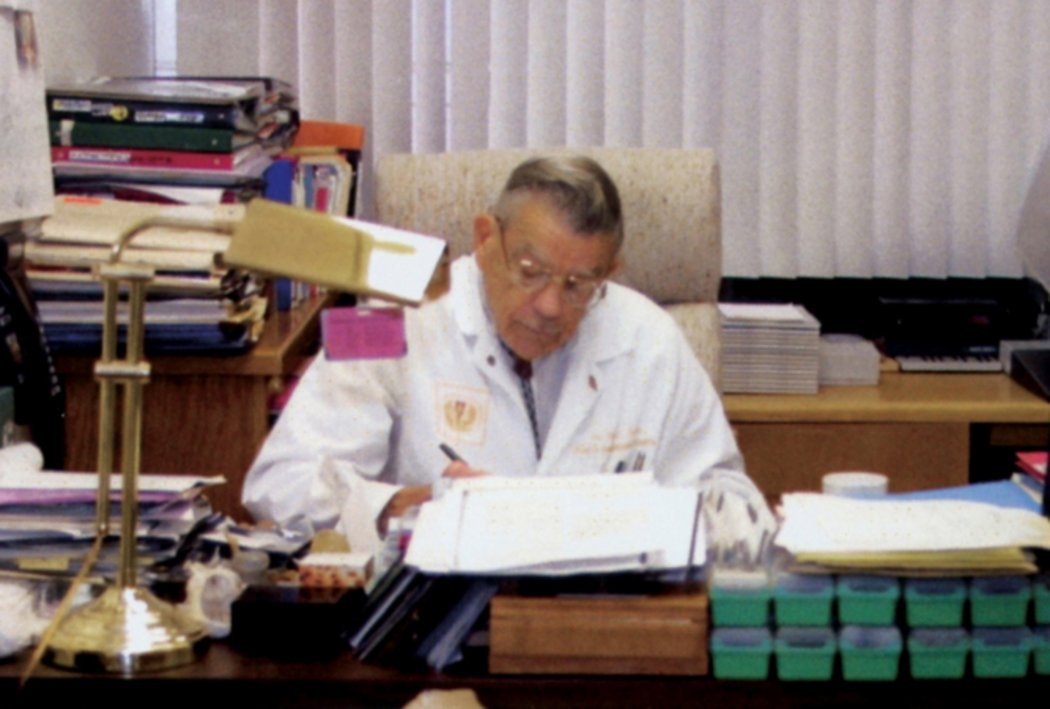
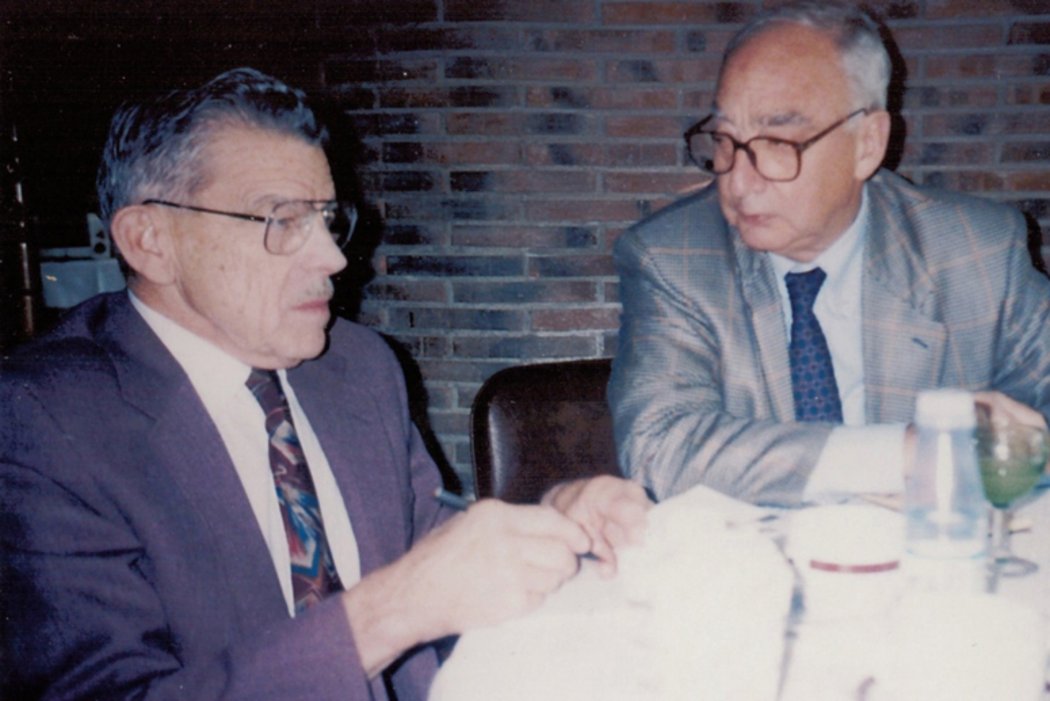
At Clemson University, oral and maxillofacial surgeon Dr. Philip J. Boyne was exploring how biomaterials could support bone regeneration. Around the same time, biomedical engineer Dr. Myron Spector became increasingly interested in the relationship between material structure and tissue healing.
Their work led to a key insight that still holds true today:
→ The closer a material mimics natural bone, the greater its regenerative potential.
This principle would later become the foundation of a major breakthrough.
From concept to innovation: the birth of Geistlich Bio-Oss®
In the early 1980s, Swiss entrepreneur and chemist Dr. Peter Geistlich encountered Boyne’s research on bovine bone, he immediately recognized its potential for clinical application.
With more than a century of experience in bone processing, Geistlich was uniquely positioned to translate this concept into a clinically usable biomaterial.
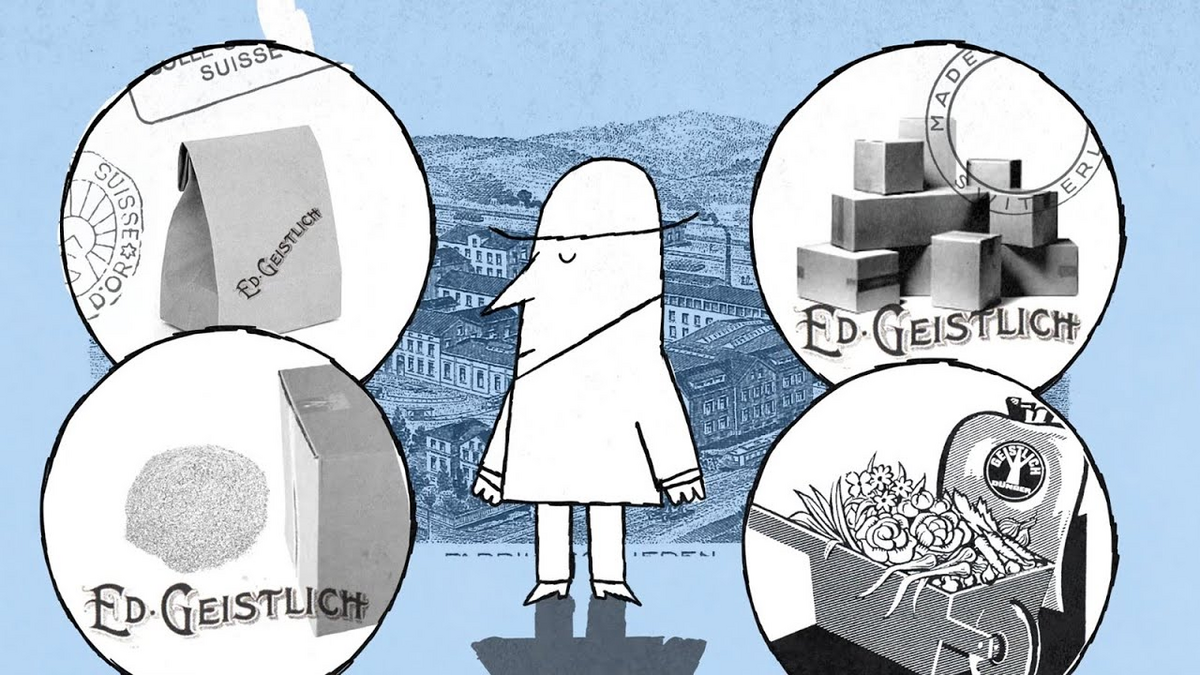
What does 175 years of Geistlich have to do with bone? Follow the story of a material that has connected generations of products, ideas and innovations.
The challenge, however, was considerable. A suitable biomaterial would need to be completely free of organic components to avoid immune reactions, while at the same time preserving the natural microstructure of bone. It also had to meet the highest standards of safety and reproducibility.
Working together with chemist Heinz Lüssi, Geistlich developed a proprietary process that achieved exactly that. The result was a deproteinized bovine bone mineral that retained the architecture of human bone while being biologically safe.
Geistlich Bio-Oss® was born.
Why it works: the biological principle behind success
The clinical performance of Geistlich Bio-Oss® is based on its function as an osteoconductive scaffold. Its structure allows new bone to grow along its surface while maintaining the volume required for regeneration.
This is enabled by three key properties:
- A natural porosity that supports vascularization and bone ingrowth
- A structure closely resembling human bone, facilitating integration
- Slow resorption, ensuring long-term volume stability
Together, these characteristics create the conditions for predictable and durable regeneration outcomes.
What this means for clinical practice
The principle behind Geistlich Bio-Oss®, preserving natural bone structure, has direct implications for daily clinical decision-making. Material selection is not simply about filling a defect; it directly influences healing dynamics, volume stability, and ultimately implant success.
In practice, this translates into:
- Greater predictability in regeneration procedures
- Stable bone volume over time
- Reliable support for implant placement
Choosing a biomaterial that closely mimics natural bone can therefore significantly improve long-term outcomes.
From pioneering concept to clinical gold standard
Since its introduction, Geistlich Bio-Oss® has become one of the most extensively studied bone substitute materials in dentistry. Its performance has been documented across a wide range of indications, including ridge preservation, guided bone regeneration (GBR), sinus floor elevation, and complex augmentation procedures.
Clinical studies report implant survival rates exceeding 97%, along with consistent long-term volume stability, key factors for both functional and esthetic success.
Clinical implications
For clinicians, the message is clear: successful bone regeneration depends on biological compatibility and structural integrity. Materials that replicate the architecture of natural bone provide a clear advantage in achieving predictable outcomes.
Long-term success is therefore closely linked to the choice of biomaterial and its ability to support stable, integrated regeneration.
Looking ahead: innovation built on biological principles
The story of Geistlich Bio-Oss® highlights a broader principle in regenerative medicine. The most effective solutions are those that work in harmony with biological systems rather than attempting to replace them.
While technologies continue to evolve, one concept remains unchanged:
→ Structure drives function, and ultimately, clinical success.
The science of regeneration continues to evolve
Keep building your knowledge with expert insights, clinical education and practical learning opportunities from Geistlich.