Regeneration in focus: Highlights from Osteology 2026
Key Takeaways
- Complications are part of clinical reality and need to be actively managed
- Simpler, biology-driven approaches can improve predictability
- Biologics can support outcomes, but don’t replace surgical fundamentals
- Patient communication and shared decision-making are critical for case acceptance
- The next generation is actively shaping the future of regeneration
- Hands-on education remains essential to translate science into practice
A milestone year for regenerative dentistry
The International Osteology Symposium in Vienna once again brought together clinicians, researchers, and innovators from around the world to discuss where regenerative dentistry is heading, and how we get there.
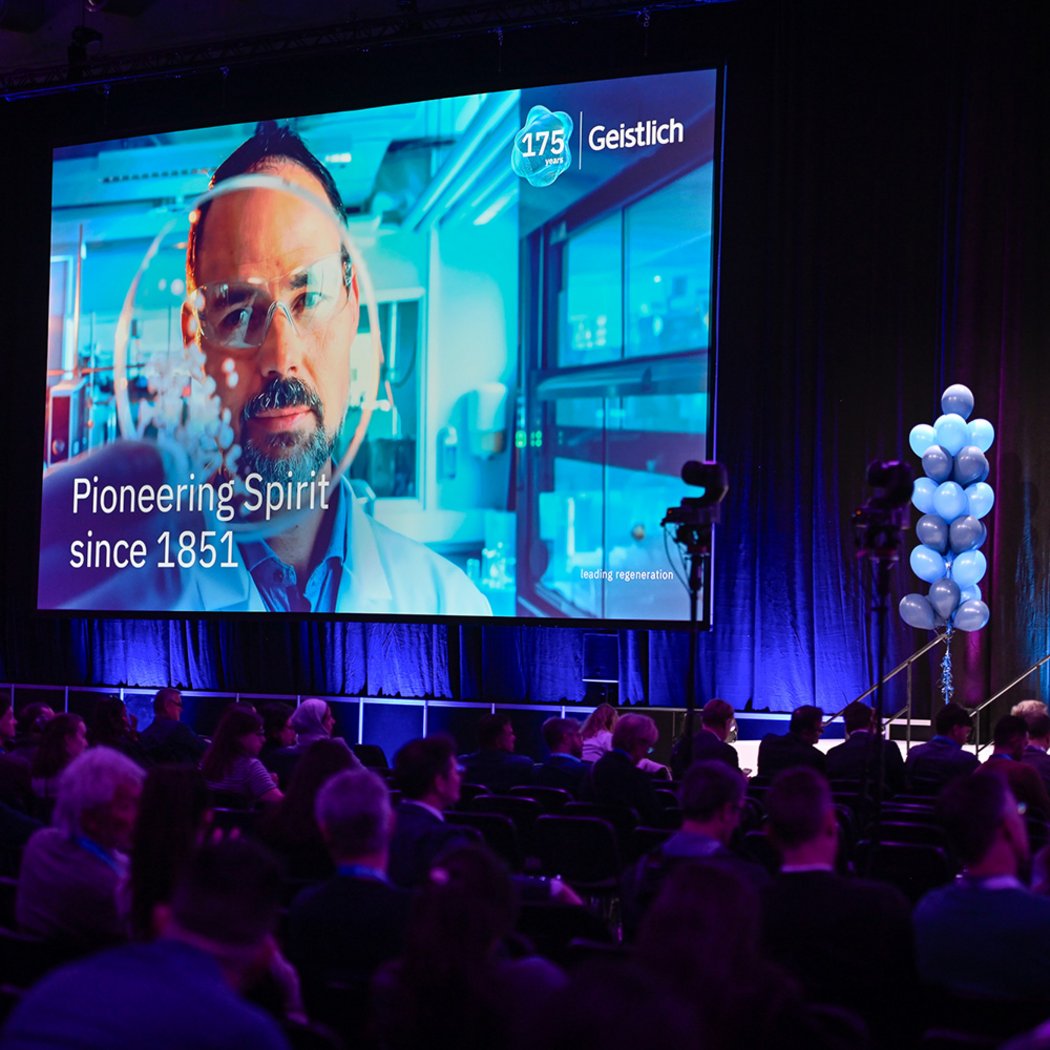
For Geistlich Pharma AG, this year’s symposium marked a special milestone: 175 years of pioneering spirit and continuous innovation.
At the center of Geistlich’s presence was the Corporate Forum, “The Future of Regeneration”, which brought together leading experts and young clinicians to explore how regenerative dentistry is evolving in daily practice.
Setting the stage: from legacy to clinical reality
The session opened with a short address by Mark Spilker, who emphasized that innovation must always be measured against one standard: the outcome for the patient.
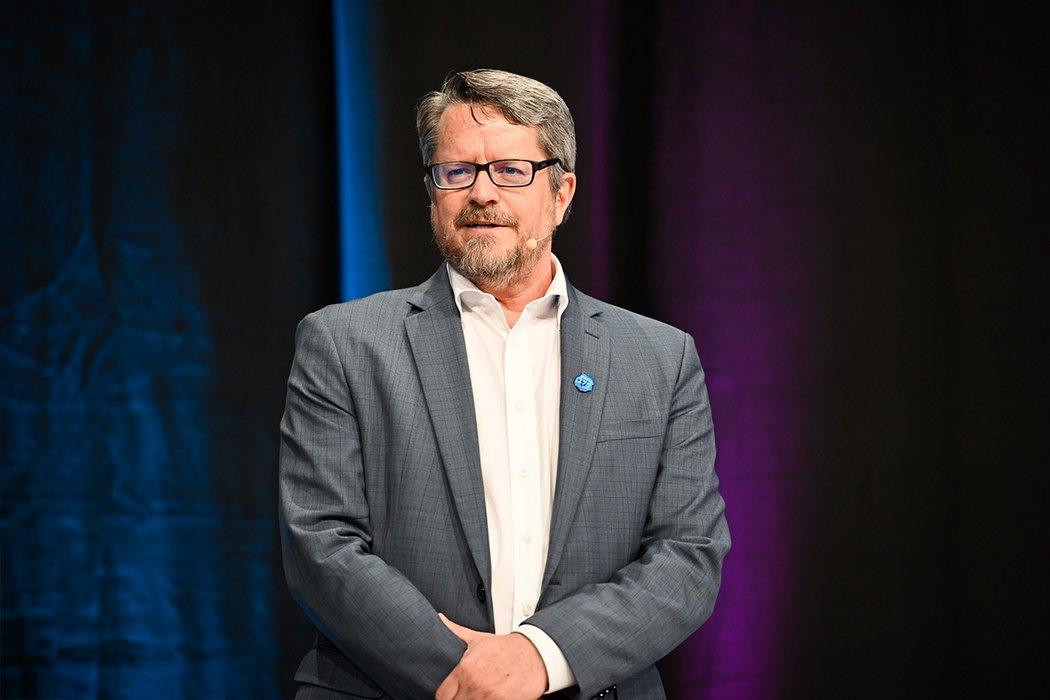
He highlighted that long-term success doesn’t come from one breakthrough, but from consistently translating science into solutions that clinicians can rely on in everyday practice.
Following this, Prof. Frank Schwarz, moderator and keynote speaker, set the clinical direction of the forum by addressing one of the most relevant and often underestimated topics in regenerative dentistry: complications.
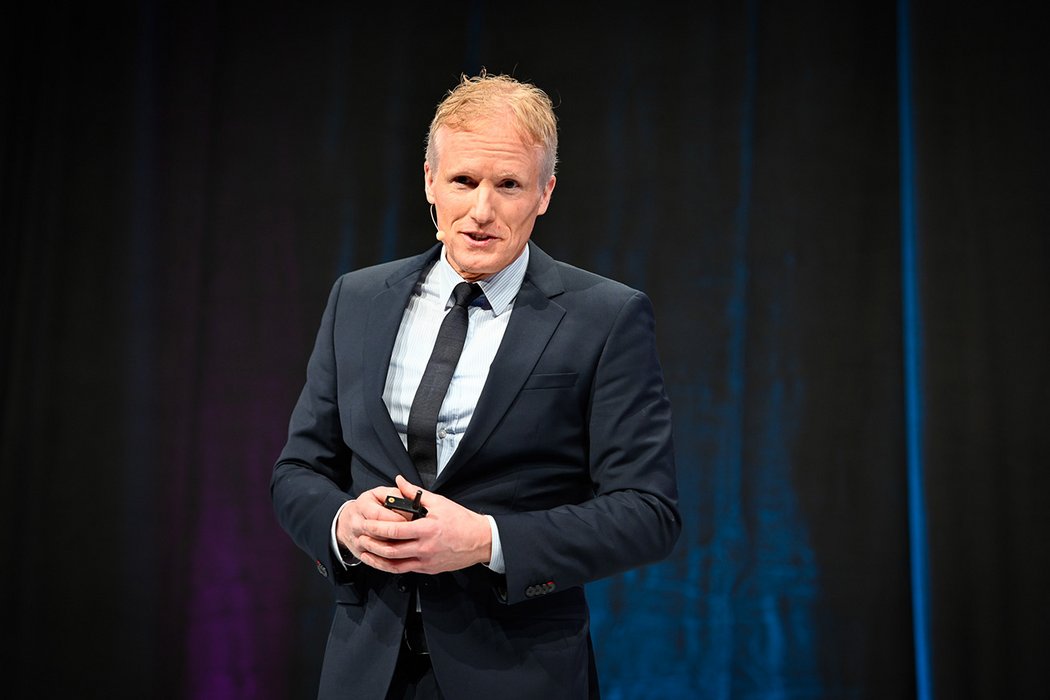
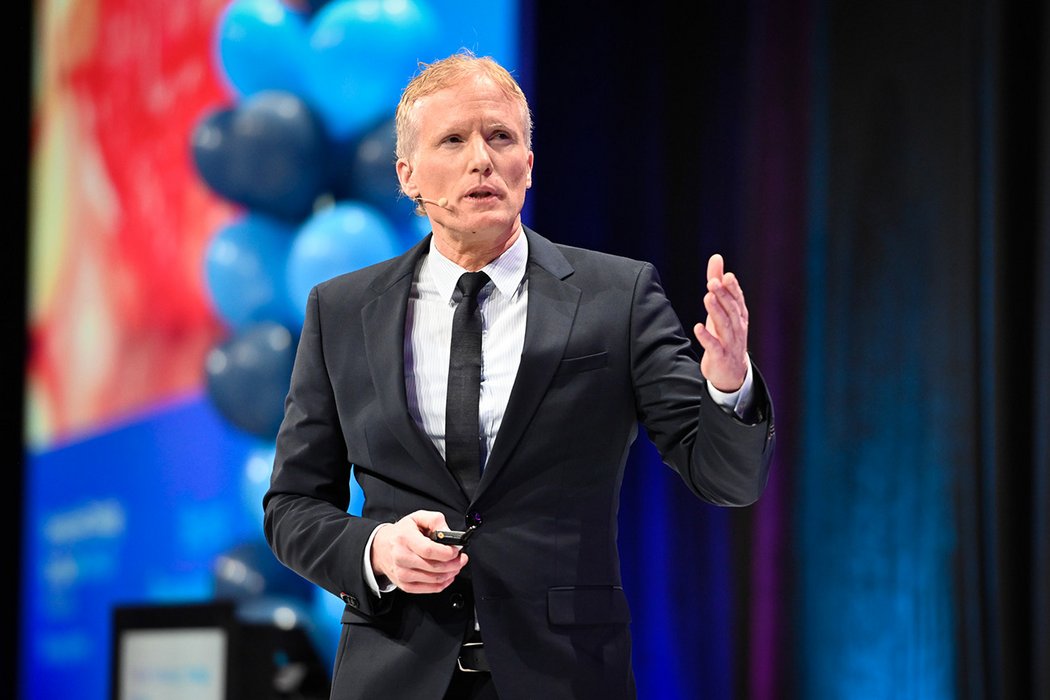
He made this point unmistakably clear:
He emphasized that successful clinicians are not those who avoid complications entirely, but those who recognize, prevent, and manage them effectively.
A key message from his lecture was the importance of simplification:
complex cases do not always require complex solutions
By focusing on biology, flap design, and appropriate material selection, particularly the role of native collagen membranes, clinicians can reduce complication rates and improve predictability.
This focus on risk awareness, biological principles, and practical decision-making provided a strong foundation for the sessions that followed.
A new generation takes the stage
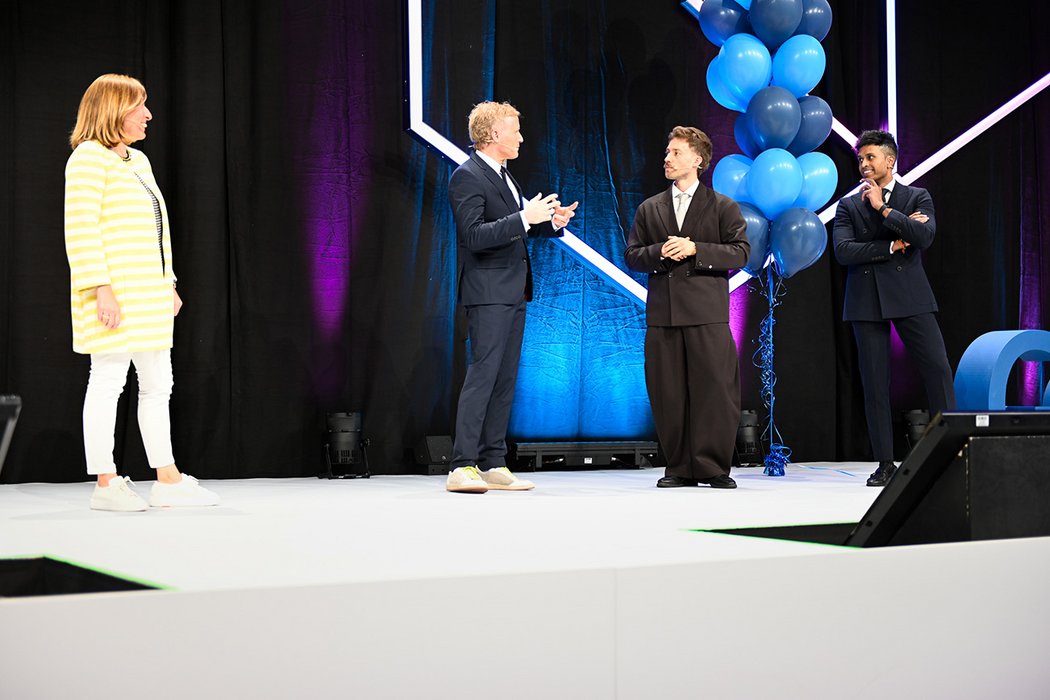
Building on this framework, the forum highlighted the role of the next generation in shaping the future of regeneration. Through initiatives like the Next Generation Round Table and the Rising Stars Case Competition, Geistlich continues to foster young talent globally.
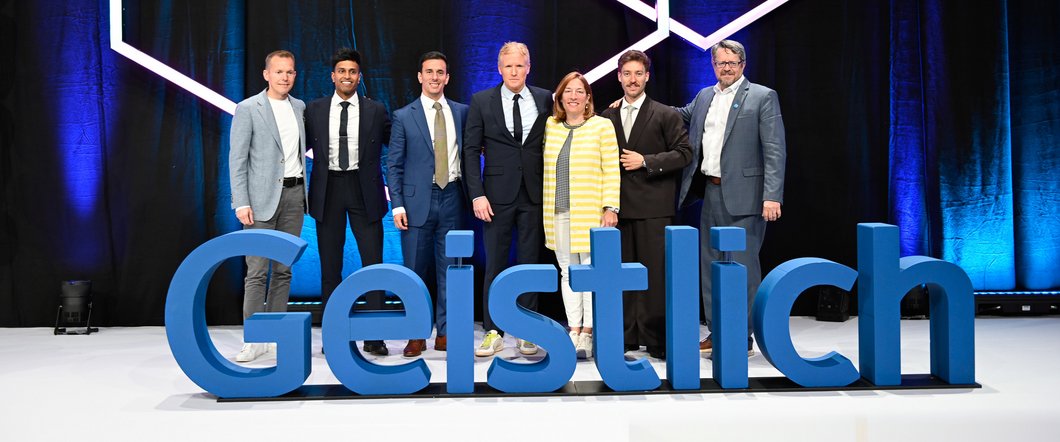
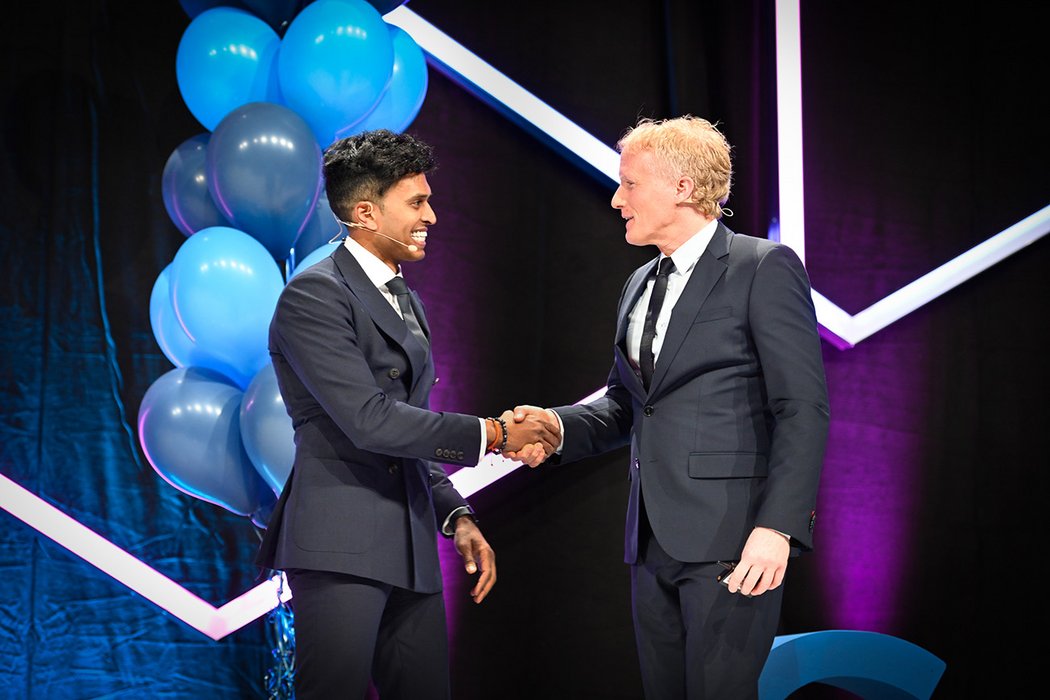
The three winners Dr. Viraj Patel (UK), Dr. Lorenzo Fiscalini (Switzerland), and Dr. Roberto Ledergerber (Ecuador) presented clinical cases that demonstrated how modern regenerative concepts can be applied in demanding real-world scenarios.
From biology to patient impact
Dr. Viraj Patel explored the role of biologics in regenerative dentistry, highlighting their potential to support healing and soft tissue development in complex anterior cases.
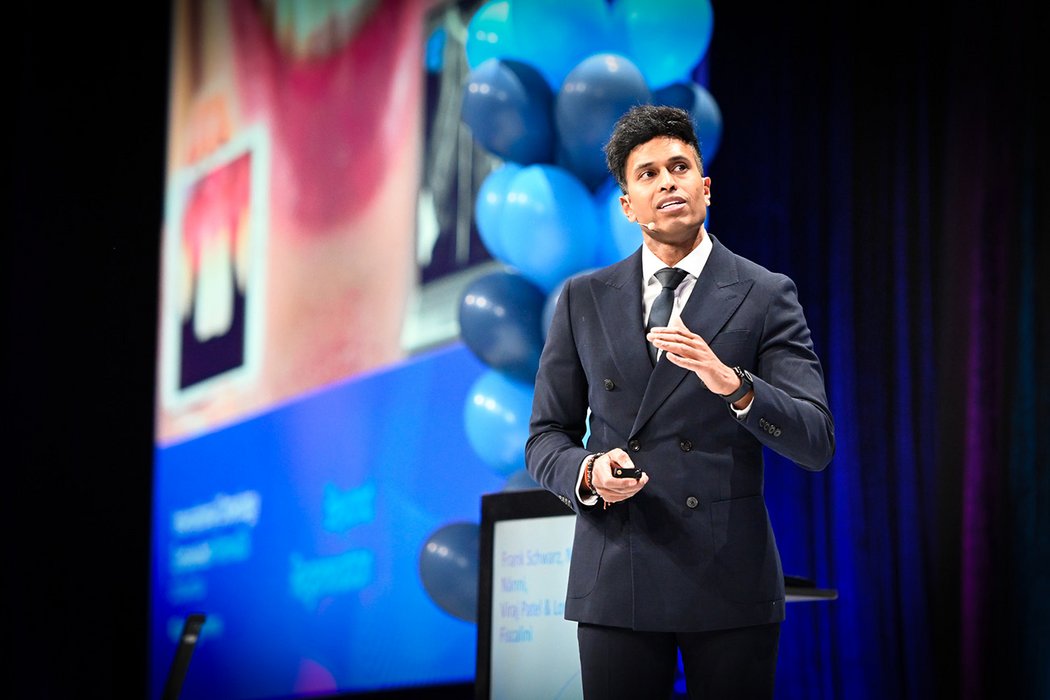
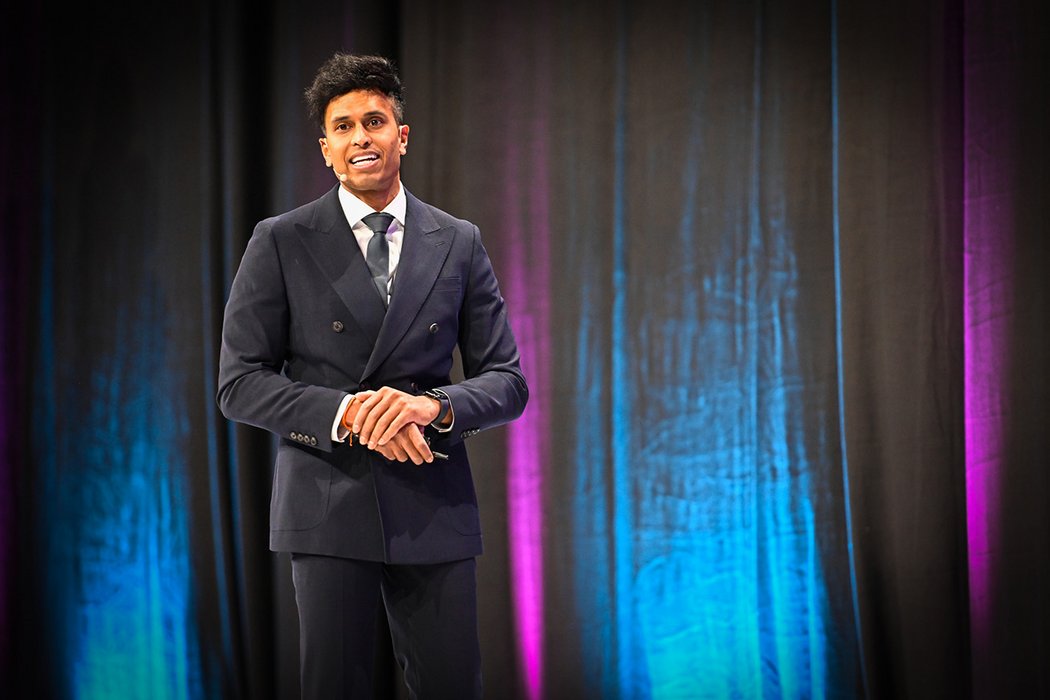
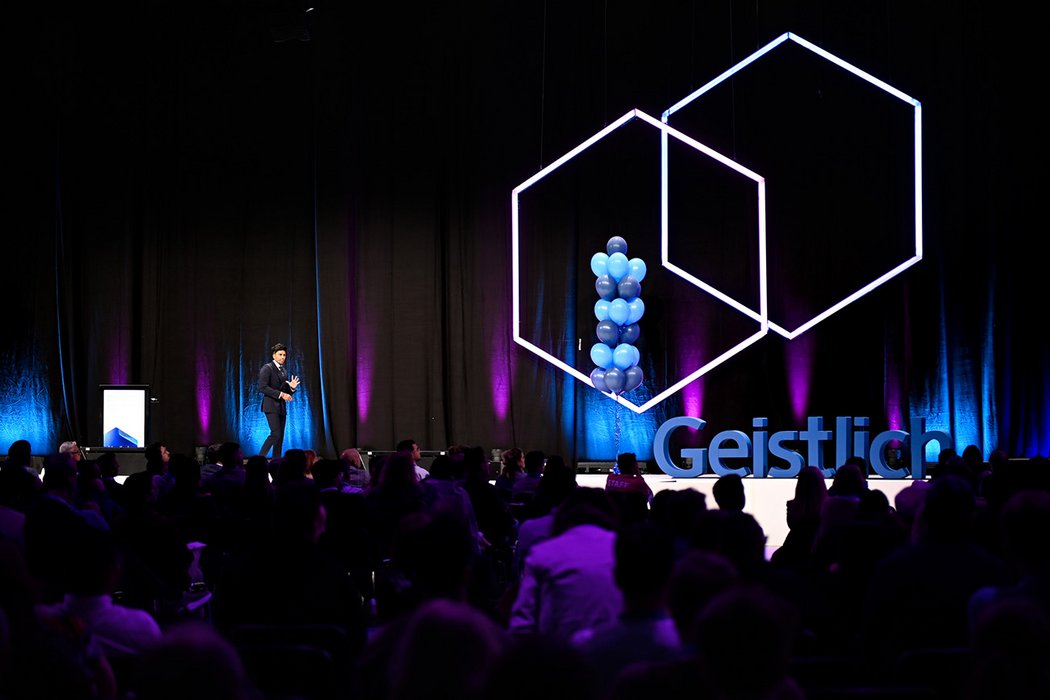
His cases illustrated how adjunctive approaches, such as the use of REGENFAST®, can be integrated into established protocols, while also reinforcing an important point:
His cases showed how biologics can support healing and soft tissue development, but always as an adjunct to solid surgical fundamentals.
Dr. Lorenzo Fiscalini presented a highly emotional and technically demanding case of a young patient who had lost multiple anterior teeth following a motorcycle accident 10 years earlier.
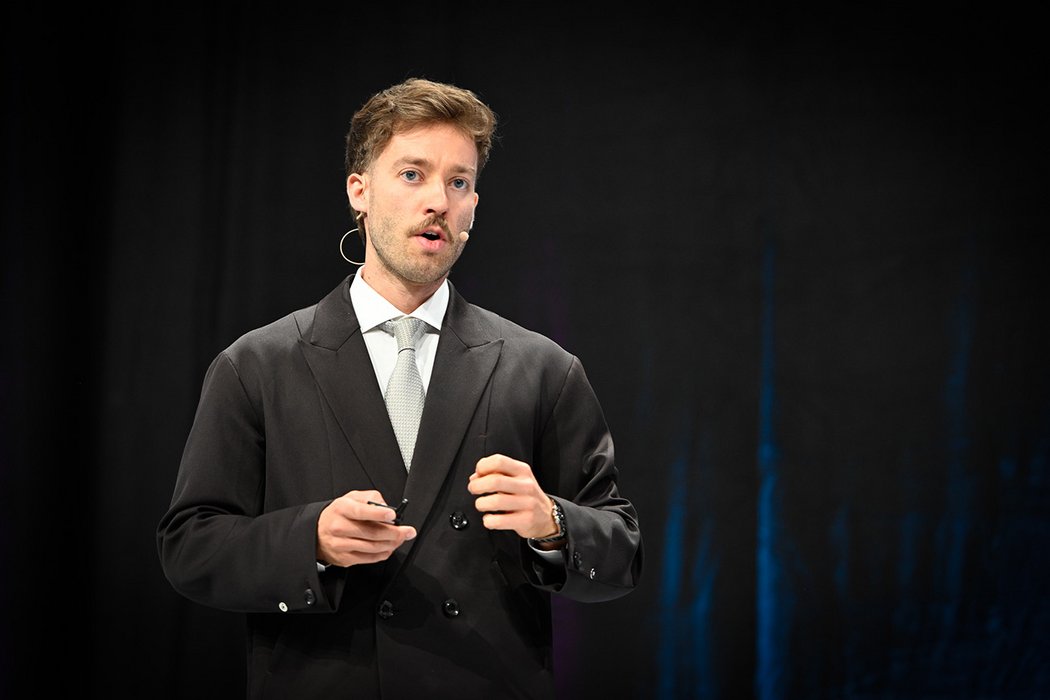
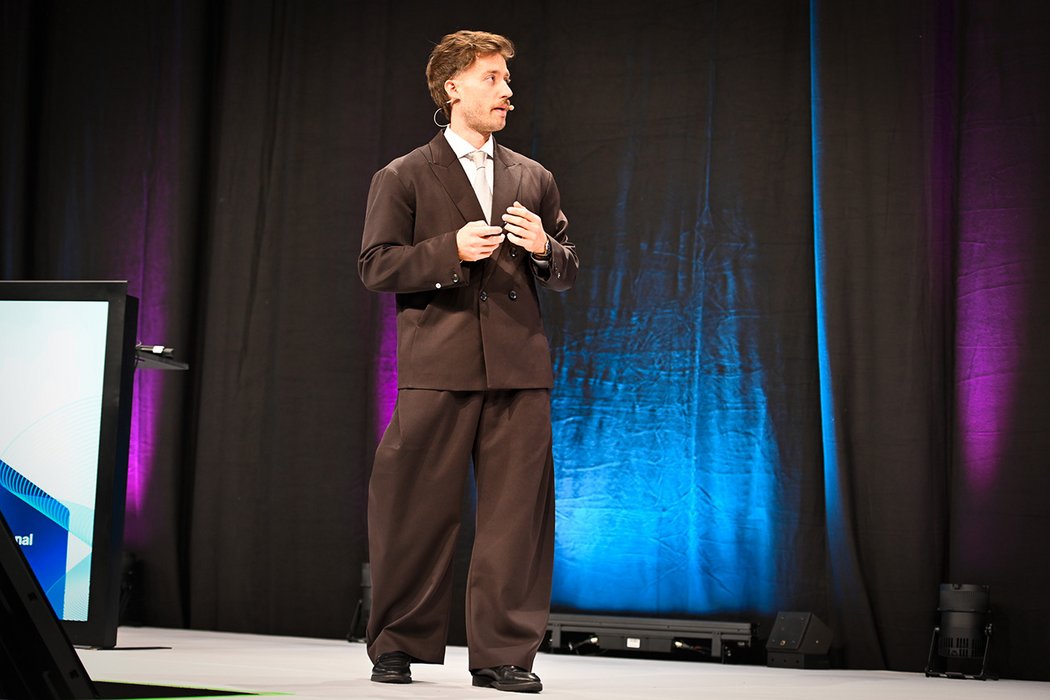
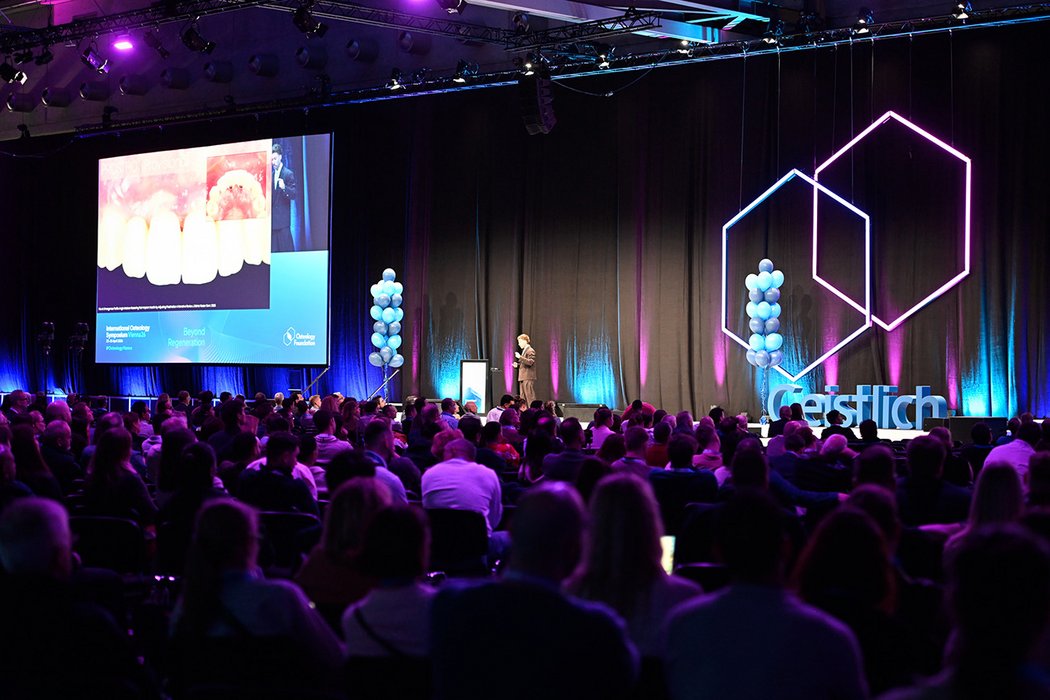
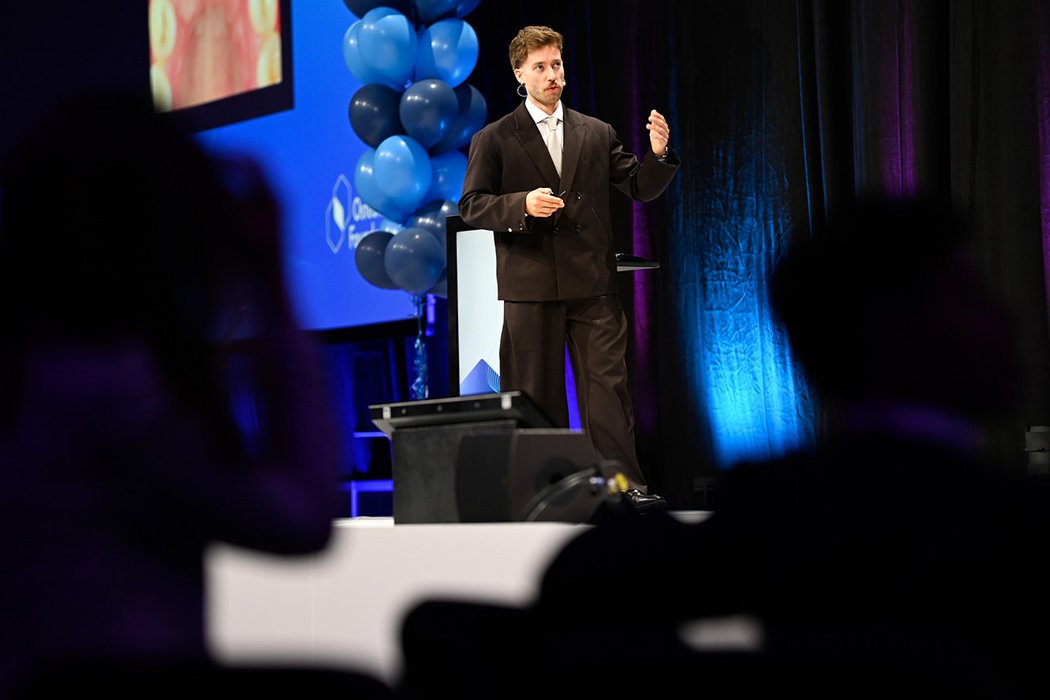
Using a prosthetically driven, staged approach, including guided bone regeneration with a customized titanium mesh, implant placement, and soft tissue conditioning, he demonstrated how complex defects can be transformed into stable and esthetic outcomes.
As he reflected:
As highlighted during the presentation, the final result was not only functional but rather life-changing for the patient.
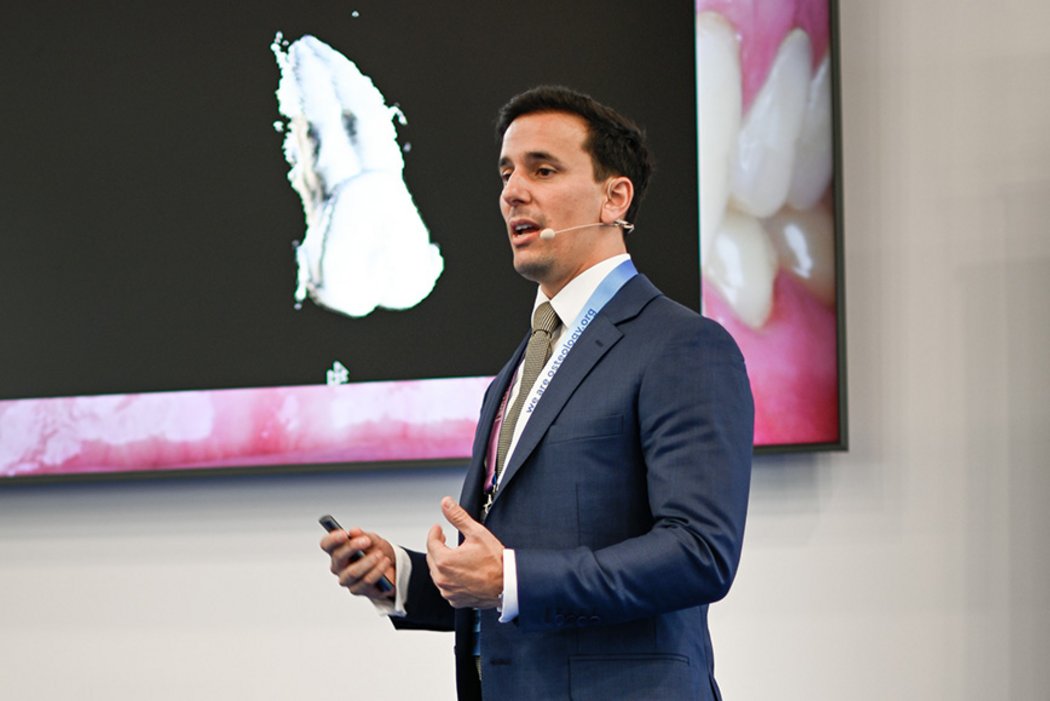
Earlier at the exhibition stage, Dr. Roberto Ledergerber presented a rare, fused tooth case, demonstrating how a multidisciplinary approach combining regeneration, orthodontics, and prosthodontics can enable tooth preservation, even in situations where extraction might seem inevitable.
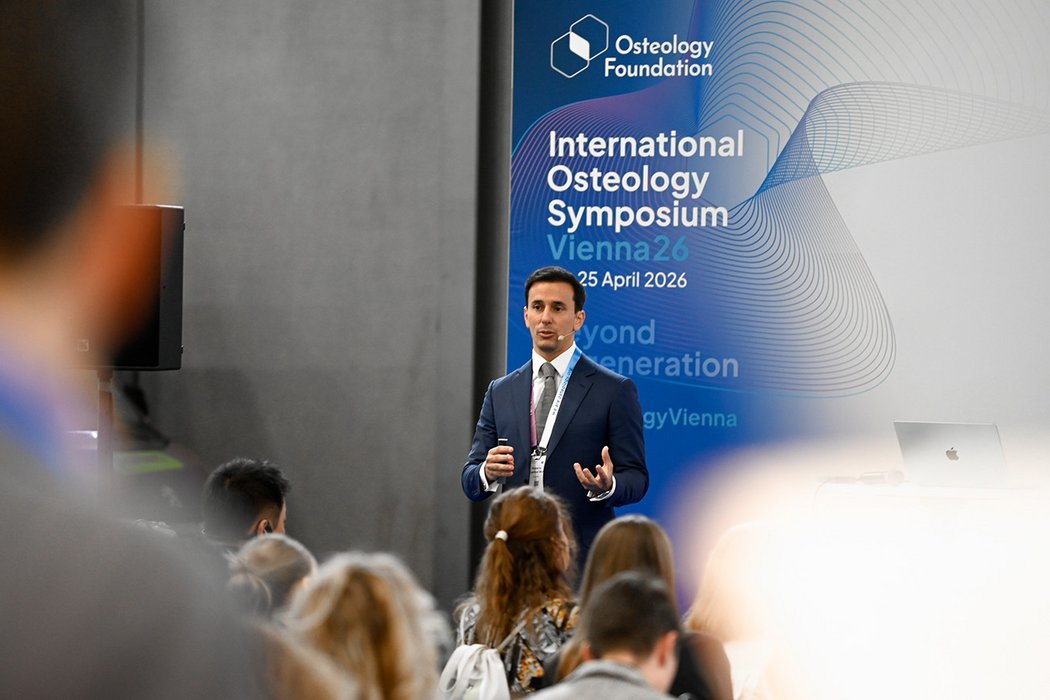
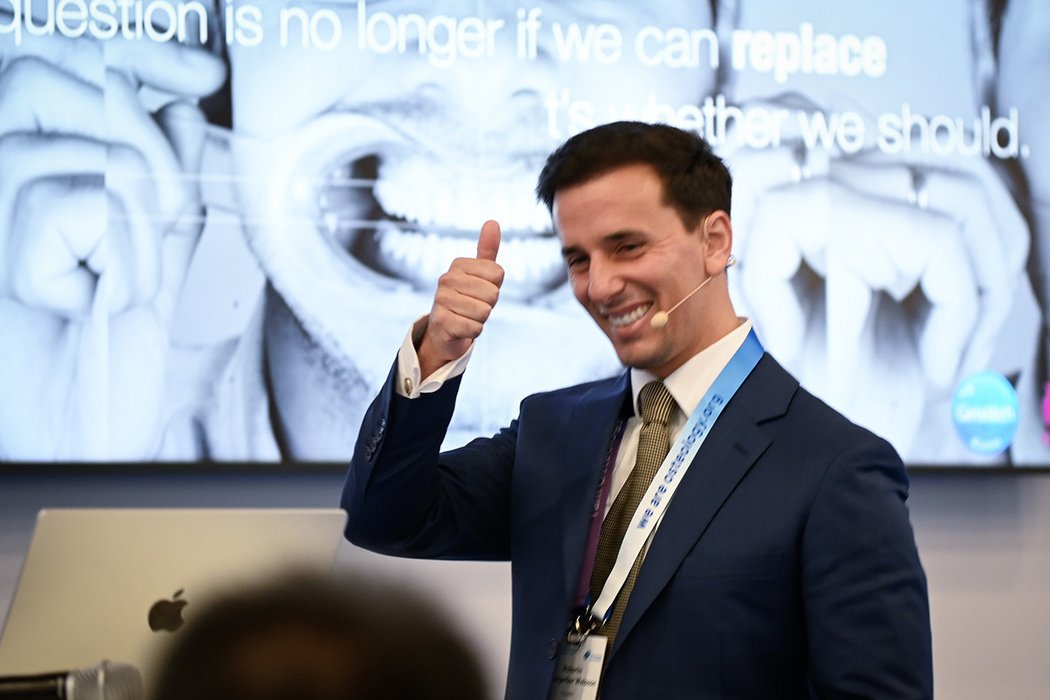
Together, these cases reflected a clear shift:
from standardized protocols to individualized, biology-driven treatment strategies.
Communication: a key driver of clinical success
While clinical techniques continue to evolve, another key theme emerged: patient communication.
In her presentation, Dr. Nadja Nänni challenged clinicians to rethink how treatment decisions are made.
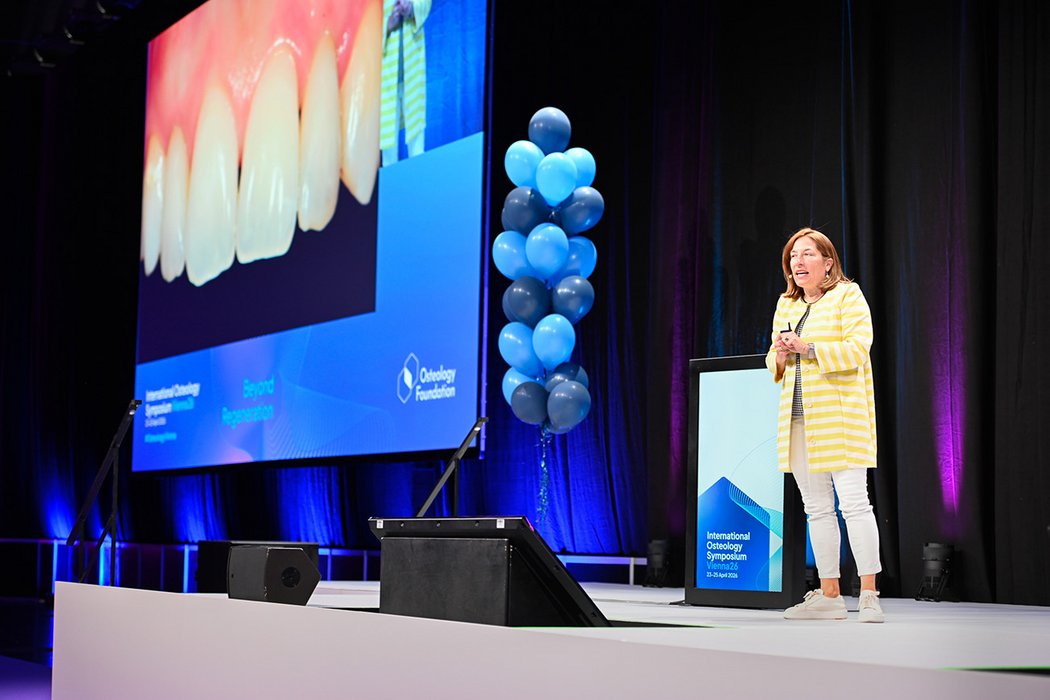
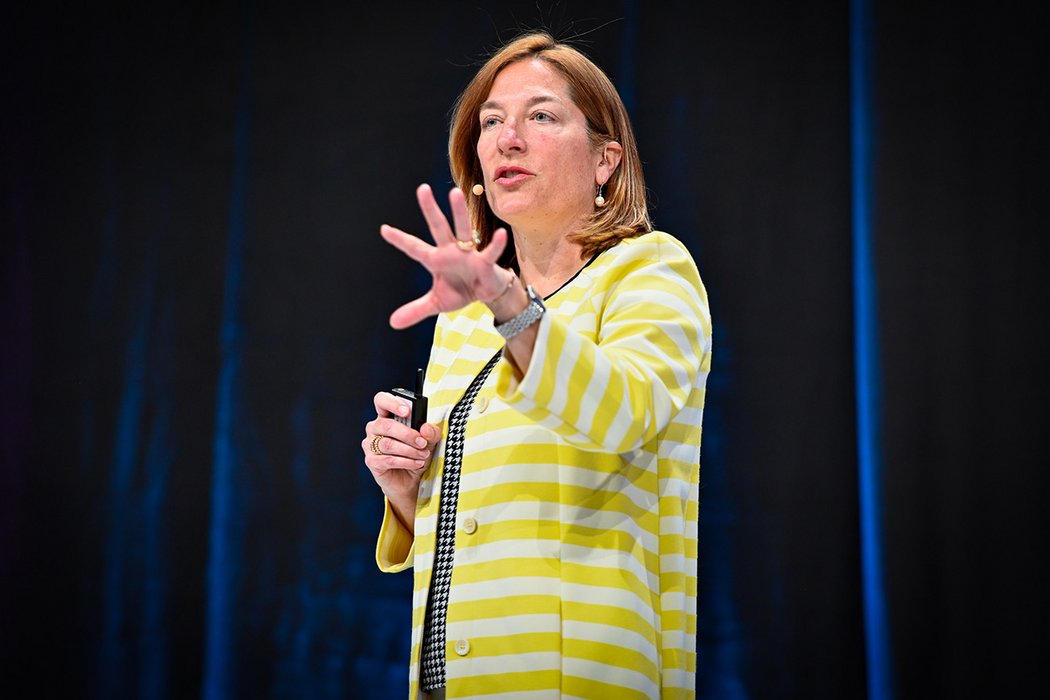
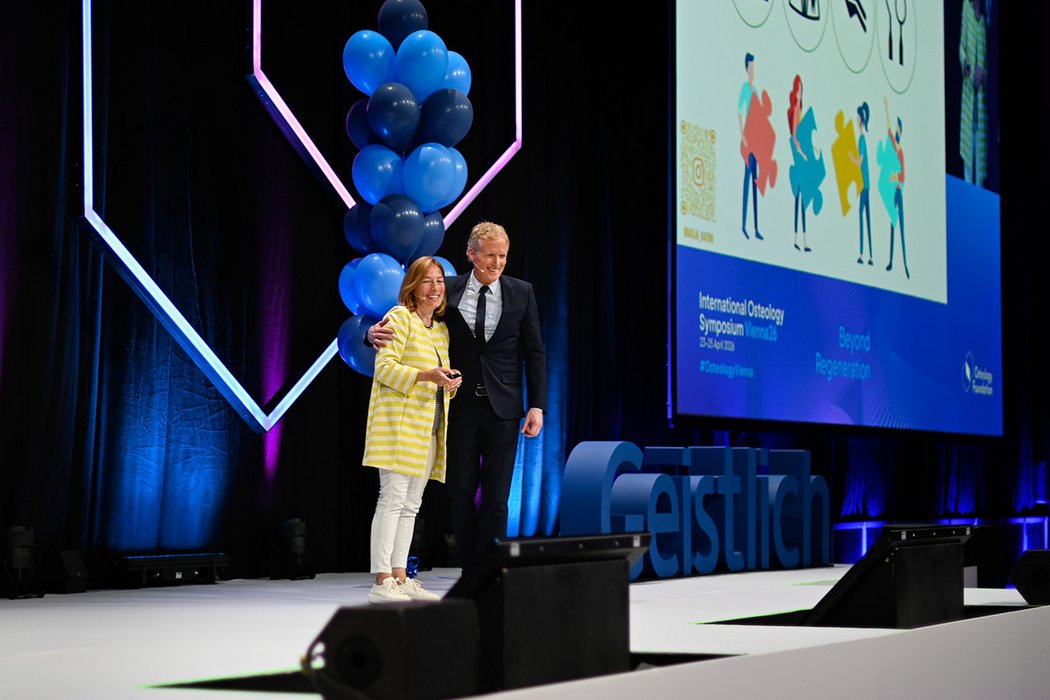
She highlighted that clinical decisions are often based on evidence and experience, but may overlook what matters most to patients:
- pain
- treatment duration
- perceived esthetic outcomes
- personal expectations
She challenged clinicians to rethink how decisions are made and shared this key insight:
Her lecture emphasized that patients evaluate treatments differently than clinicians, placing greater importance on factors such as pain, treatment time, and perceived benefit.
Her conclusion was clear:
modern regenerative dentistry is not only about technical excellence, but also about transparency, trust, and patient-centered care.
Launching the next evolution in GBR
A major highlight of IOS 2026 was the European launch of Geistlich Bio-Gide® Forte.
At the exhibition stage, Dr. Andrea Ravida presented how the membrane has been specifically engineered to address the demands of modern GBR procedures.
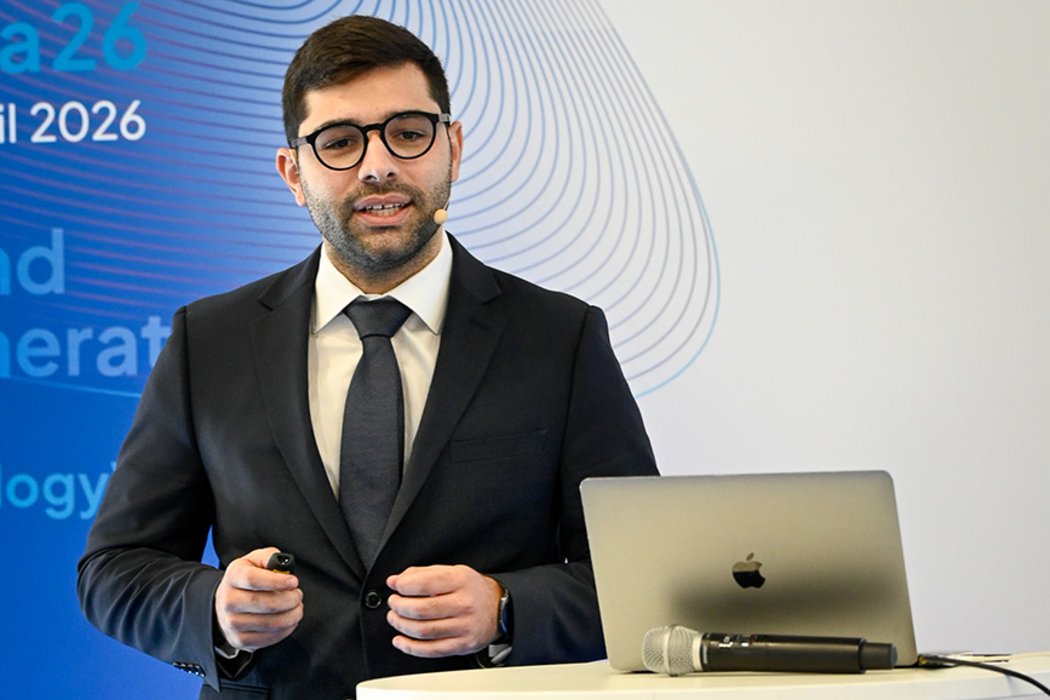
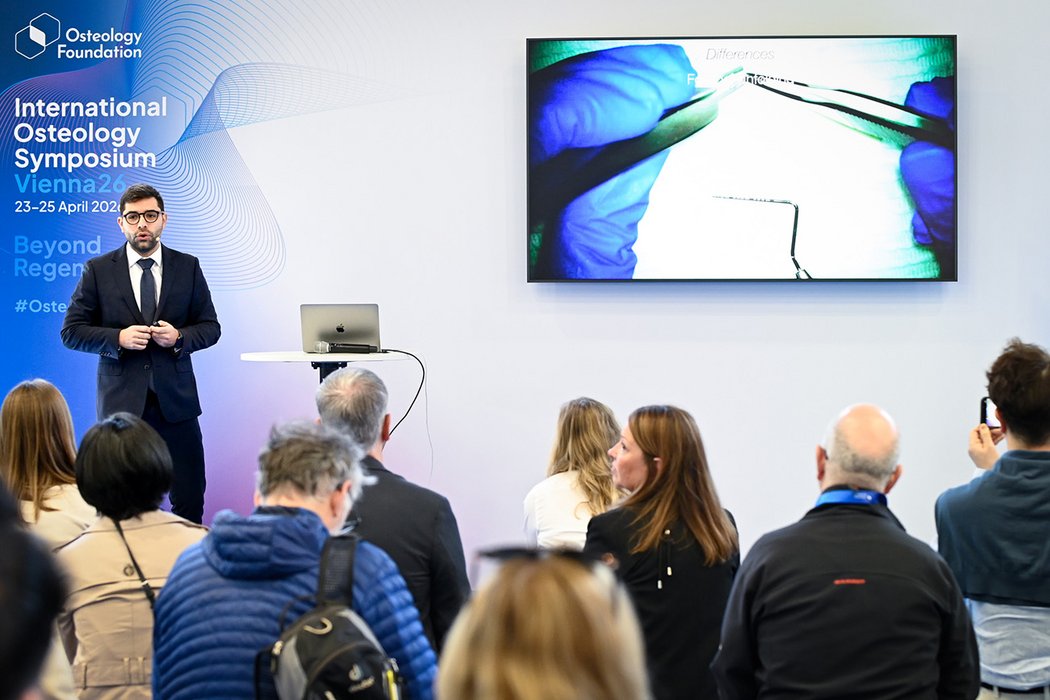
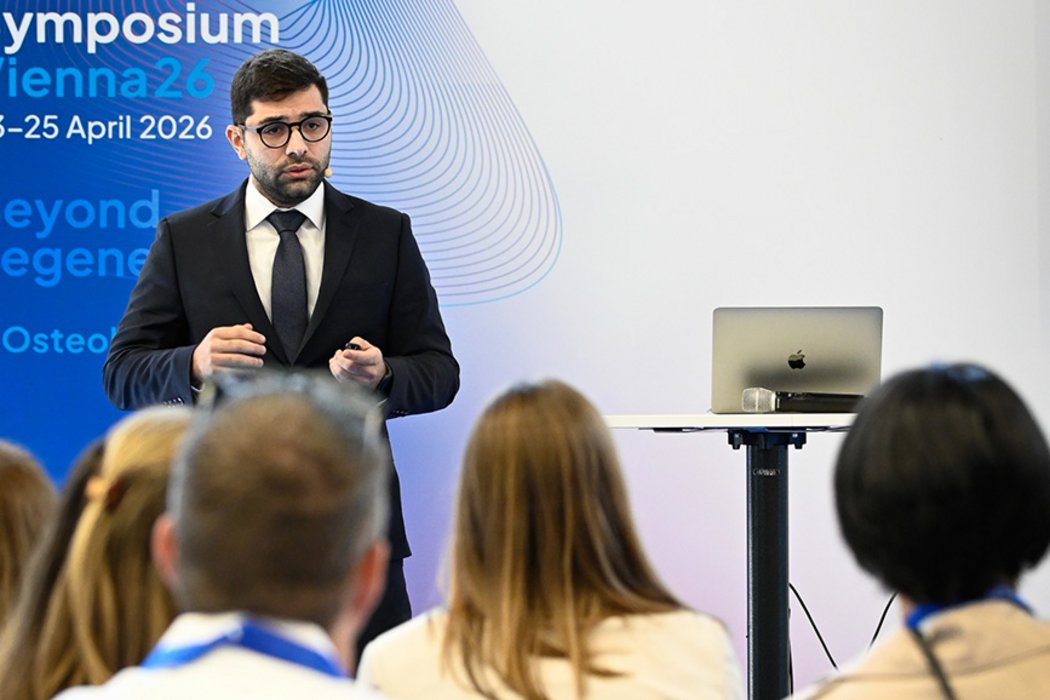
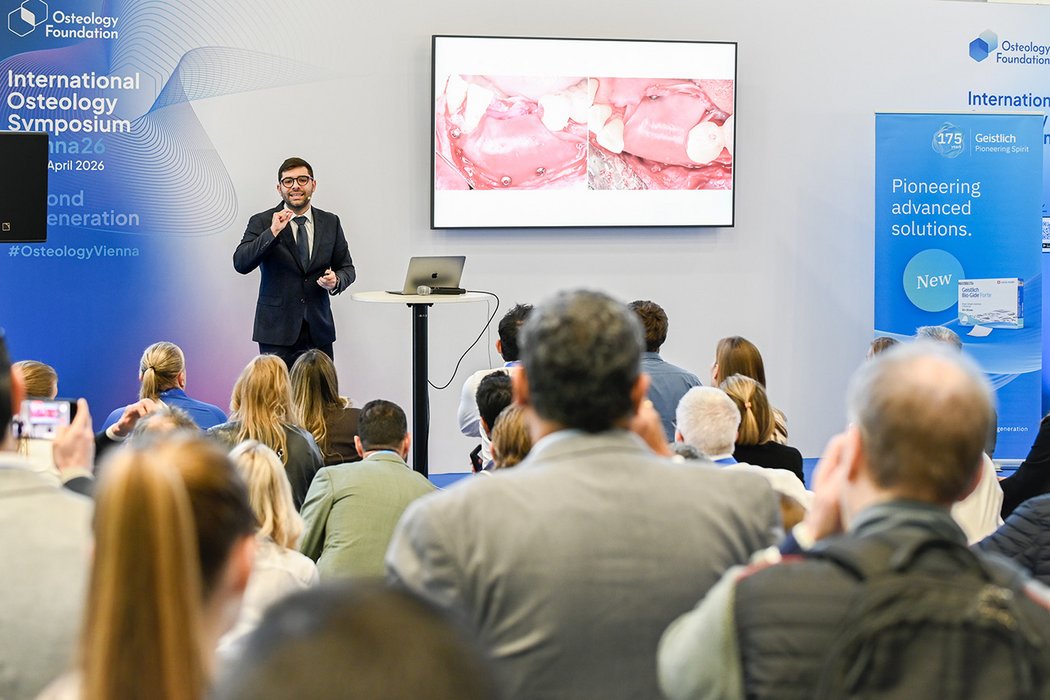
With enhanced mechanical stability, tear resistance, and handling properties, the membrane is designed to support clinicians in achieving predictable outcomes, particularly in challenging augmentation scenarios.
Importantly, the presentation linked material design directly to clinical performance, reinforcing the idea that innovation must translate into tangible benefits in daily practice.
From theory to practice: hands-on learning
Beyond lectures, IOS 2026 placed strong emphasis on practical education, with hands-on workshops led by experienced clinicians:
Patient-specific regeneration
Dr. Amely Hartmann introduced the use of patient-specific titanium meshes, highlighting how digital backward planning enables precise, individualized augmentation while reducing surgical complexity and treatment time.
Ridge preservation in daily practice
Dr. Beatriz Sanchez focused on alveolar ridge preservation, combining biological principles with hands-on exercises. Participants practiced socket grafting and suturing techniques, gaining practical skills directly applicable in daily workflows.
Regeneration in complex defects
Dr. David Palombo explored the use of REGENFAST® in periodontal and peri-implant defects, demonstrating how biologically active materials can support healing in challenging clinical situations.
Advanced GBR and complication management
Dr. Isabella Rocchietta addressed vertical GBR and complication management, providing detailed insights into volume stabilization, soft tissue handling, and strategies to manage complex defects successfully.
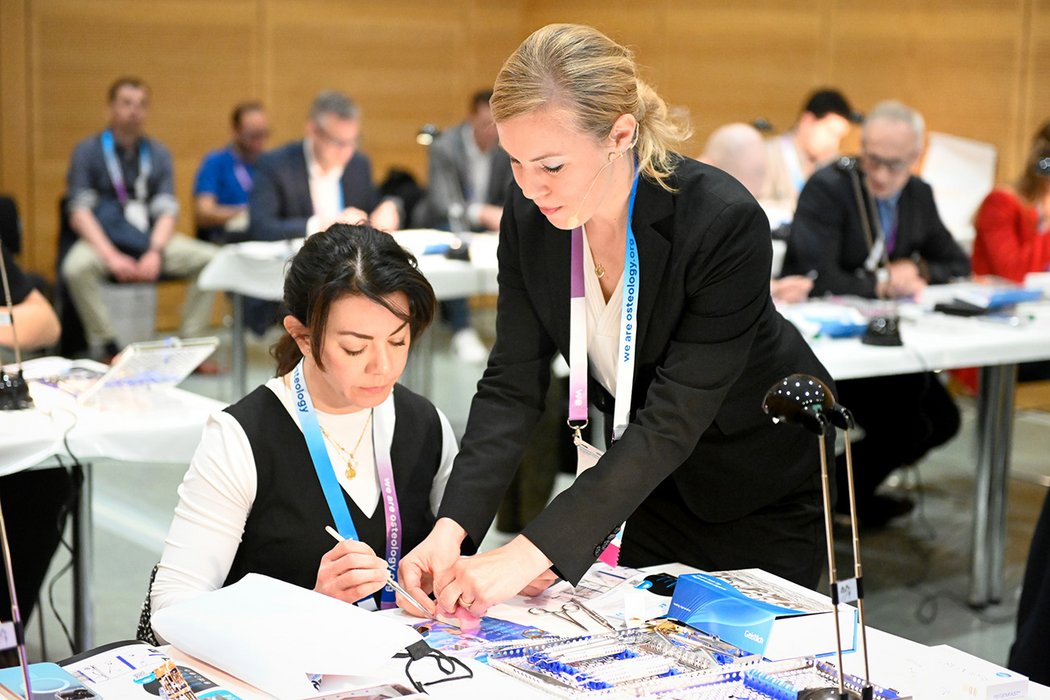
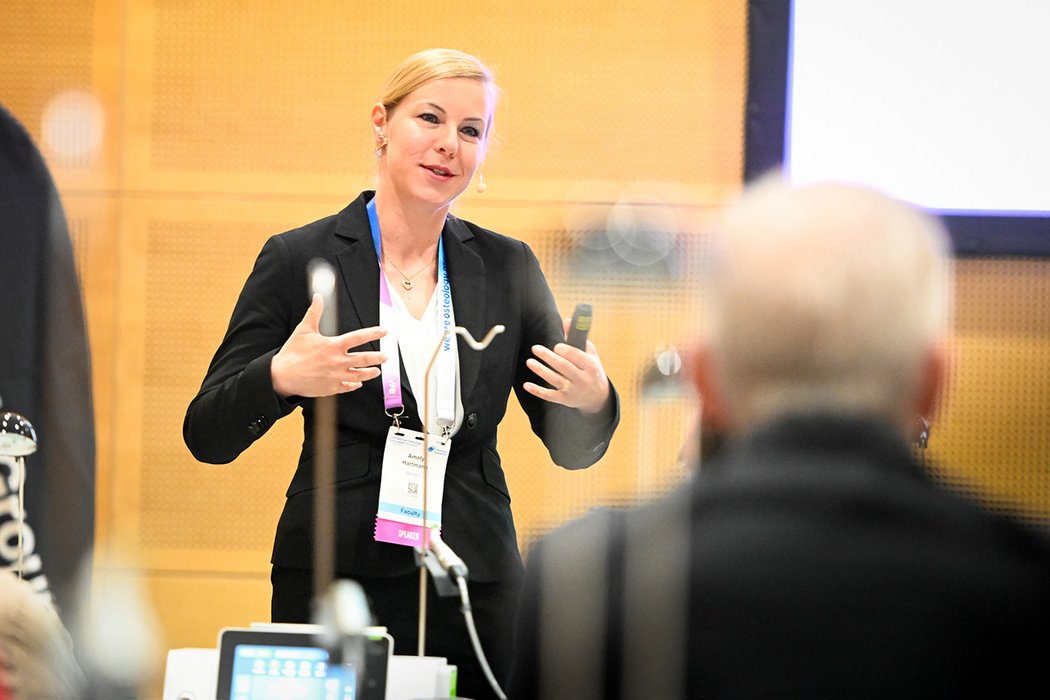
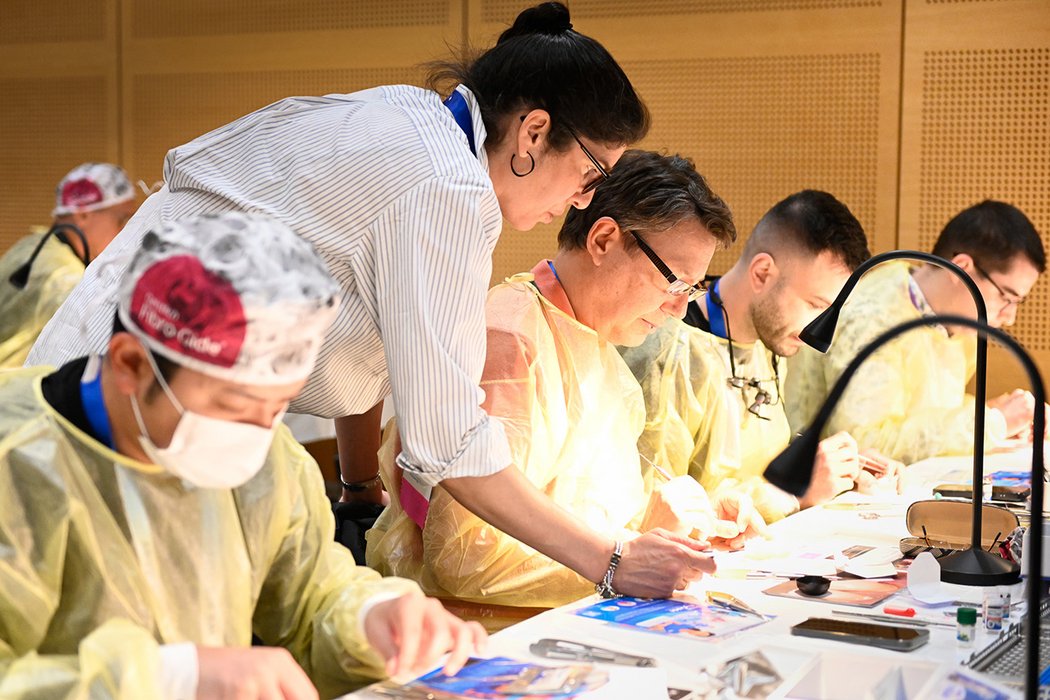
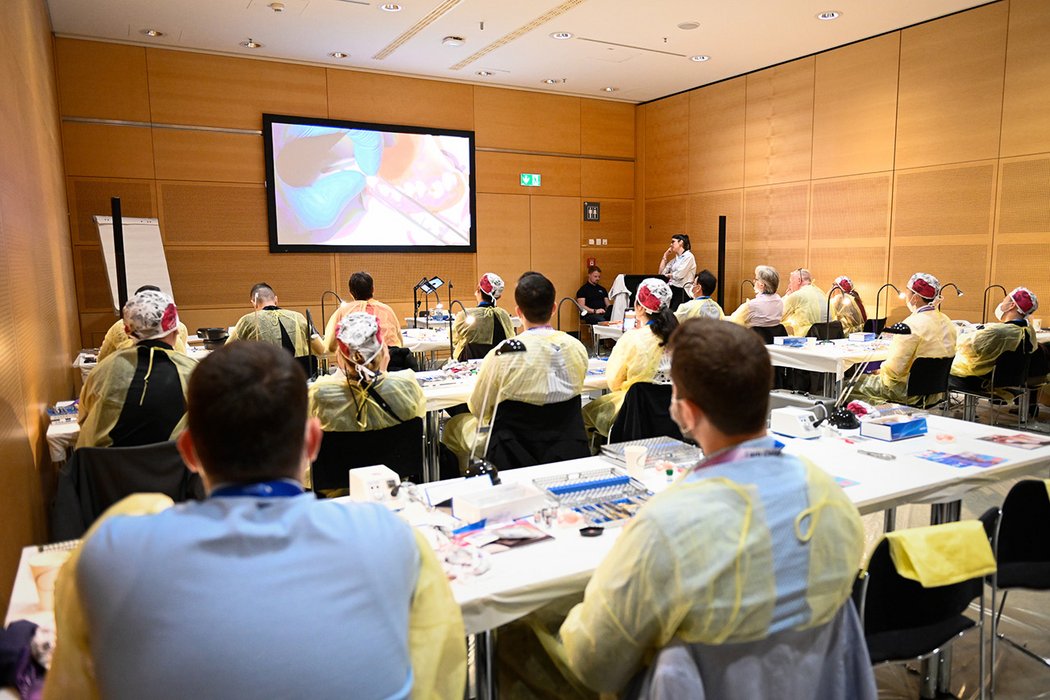
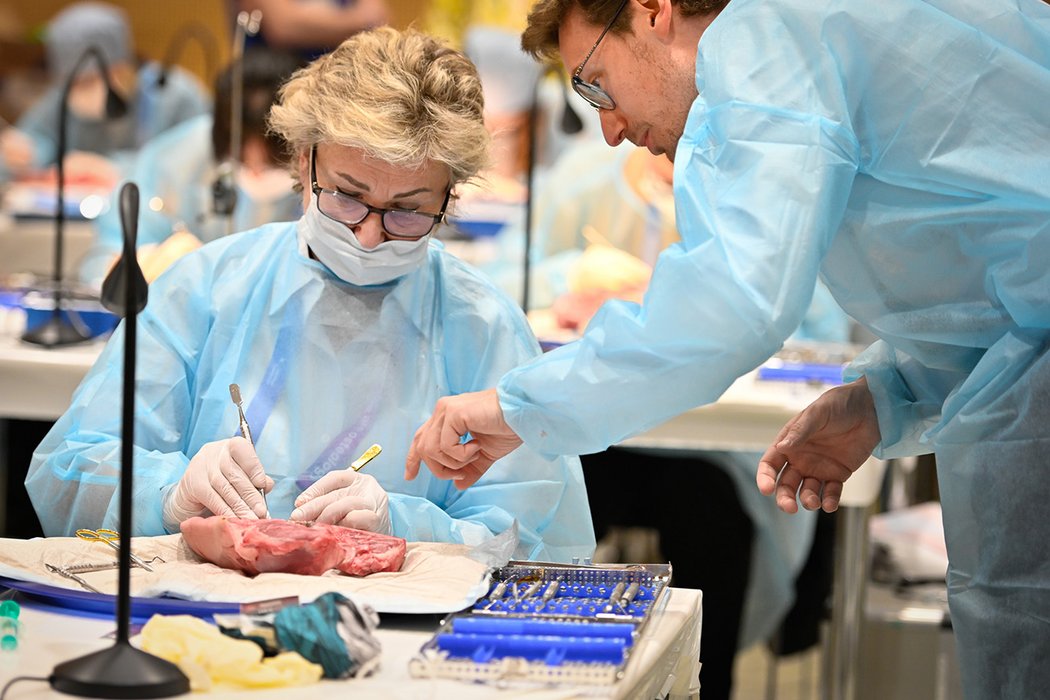
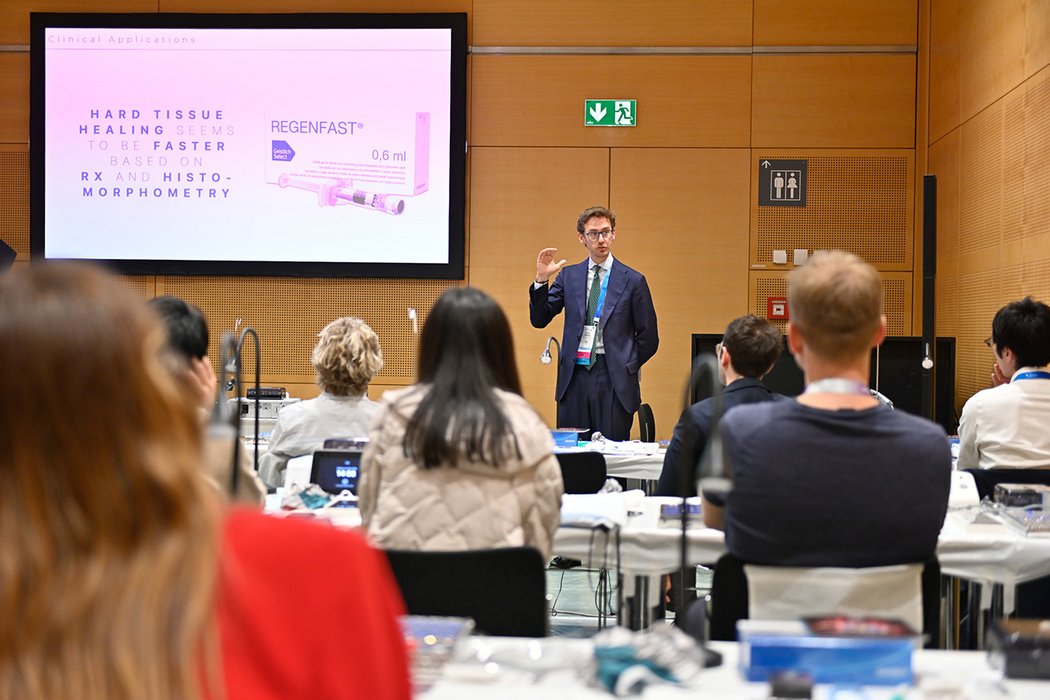
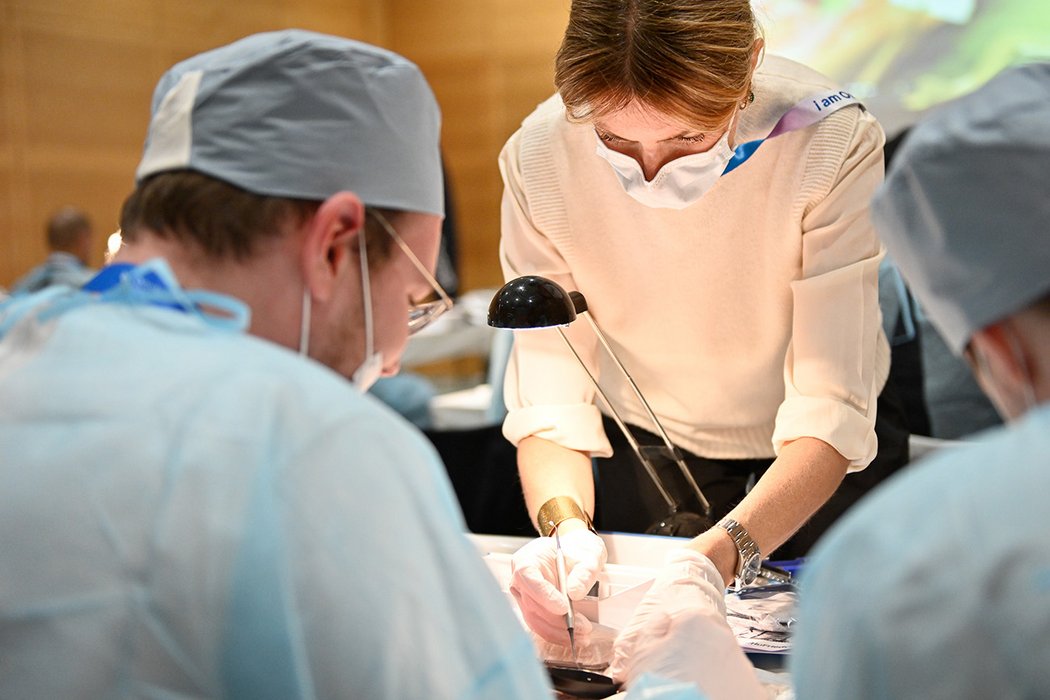
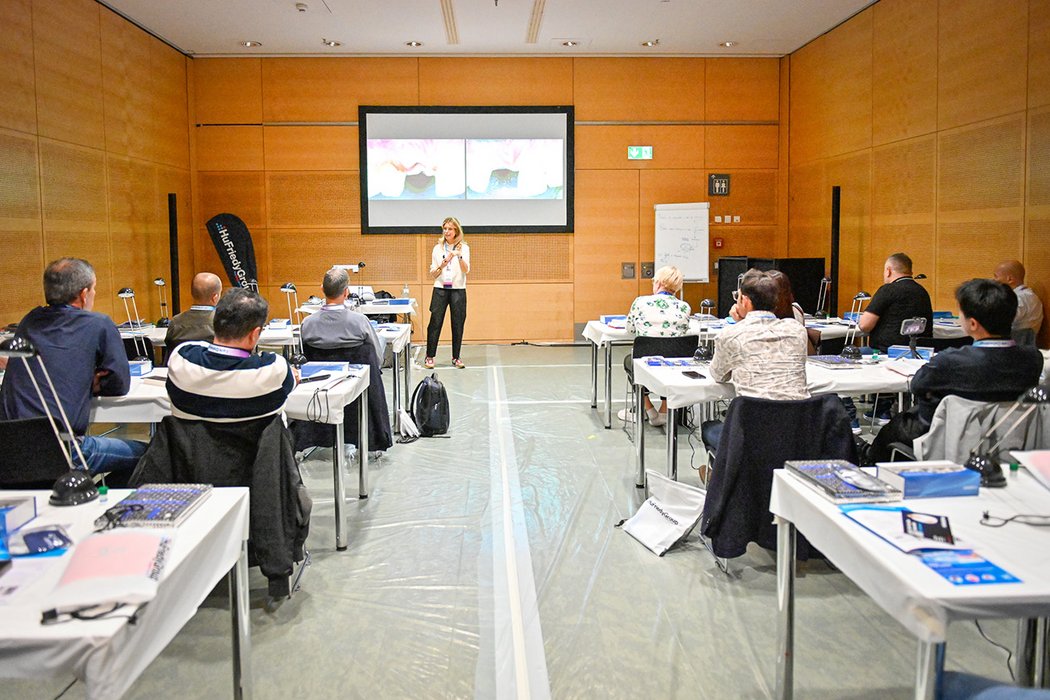
Across all workshops, one message remained consistent: Predictable regeneration is the result of combining biology, technique, and clinical experience.
Where regeneration is heading next
IOS 2026 made one thing clear:
The future of regenerative dentistry will not be defined by a single innovation, but by the integration of science, clinical expertise, and patient-centered care.
Guided by a strong legacy and driven by a new generation of clinicians, the field is evolving toward treatments that are more predictable, more personalized, and ultimately more meaningful for patients.
Or, as emphasized at the very beginning of the session: progress only matters if it improves outcomes for patients.
What’s Next in Regeneration?
From pioneering biomaterials to next-generation solutions, Geistlich continues to drive innovation grounded in science and clinical reality.
Discover how Geistlich is shaping the future of regeneration.