
The Future of Regenerative Dentistry: EAO 2026 Insights
Key Takeaways
- AI supports smarter treatment planning: Structured clinical data and AI-powered tools can help improve implant planning and may enable more personalized regenerative treatments in the future.
- Successful GBR goes beyond biomaterial selection: Graft stability, precise flap management, and tension-free wound closure are essential for predictable bone regeneration.
- Case selection is key to immediate implant success: Assess esthetic demands, buccal bone integrity, and soft tissue conditions before choosing between immediate implant placement and a staged approach.
What does the future of regenerative dentistry look like? Smarter treatment planning, more predictable regeneration, or a deeper understanding of biology?
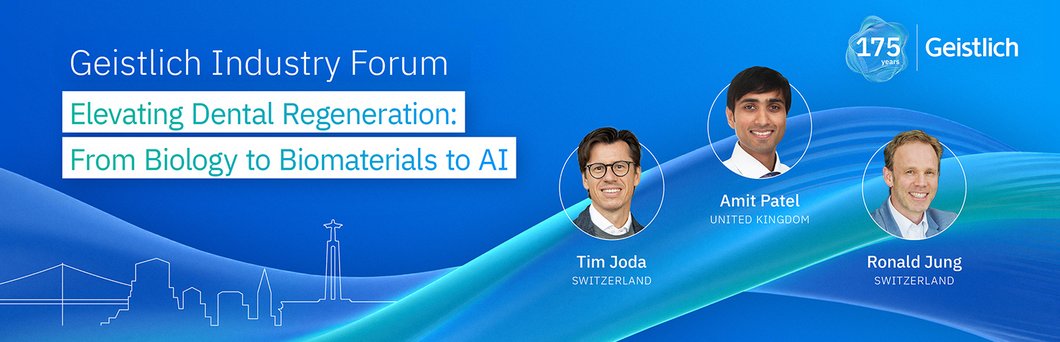
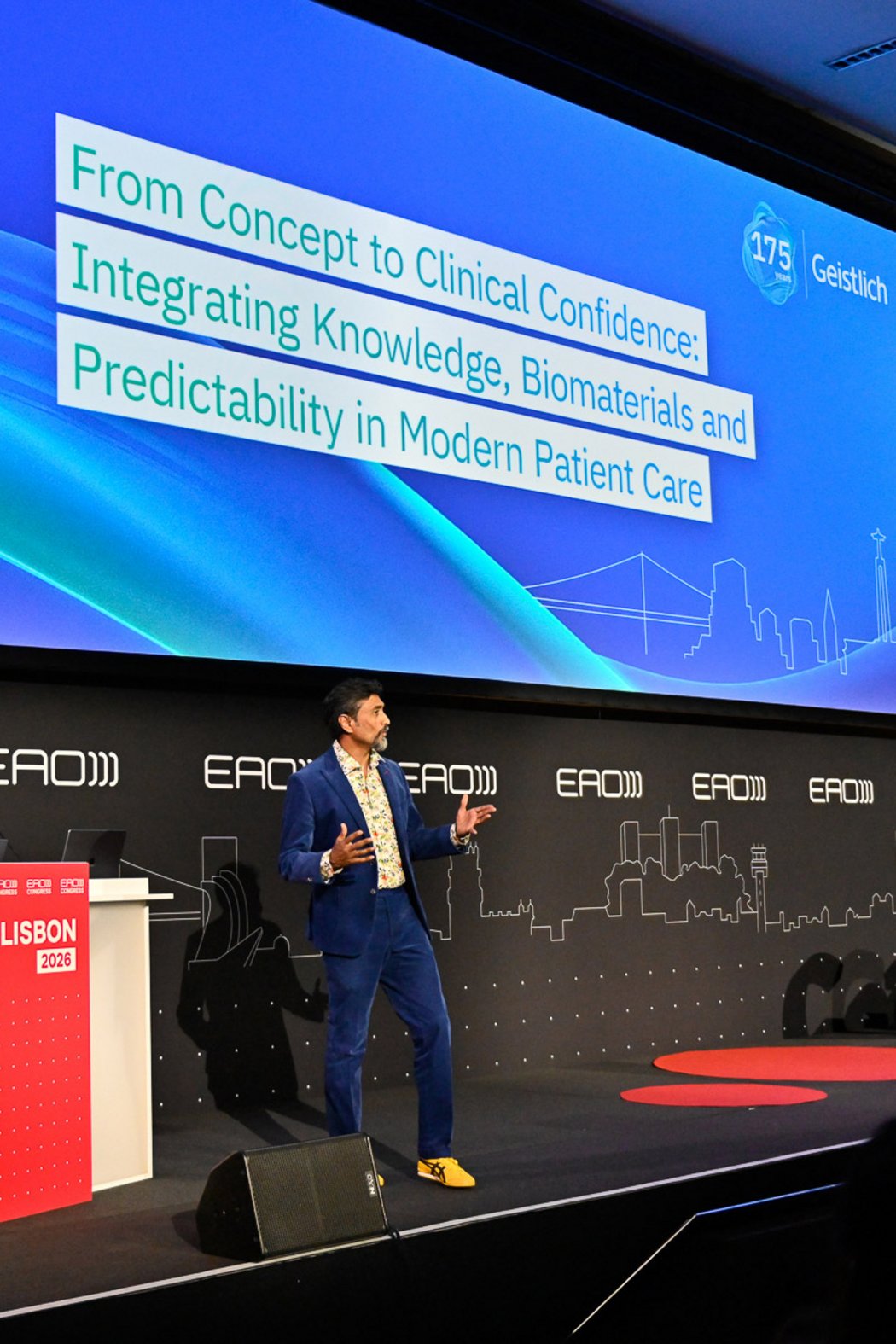
At the European Association for Osseointegration (EAO) Congress 2026 in Lisbon, Geistlich brought these perspectives together in its Industry Forum, “Elevating Dental Regeneration: From Biology to Biomaterials to AI.” Prof. Tim Joda, Dr. Amit Patel, and Prof. Ronald Jung explored how digital technologies, refined surgical techniques, and proven regenerative principles can help clinicians make better treatment decisions and achieve predictable, long-term outcomes. The symposium also marked a special milestone: 175 years of Geistlich, celebrating a legacy of innovation while looking ahead to the next generation of regenerative dentistry.
Here are the key clinical insights from the three presentations.
Artificial intelligence (AI) is transforming many aspects of healthcare, but what can it realistically offer implant dentistry today?
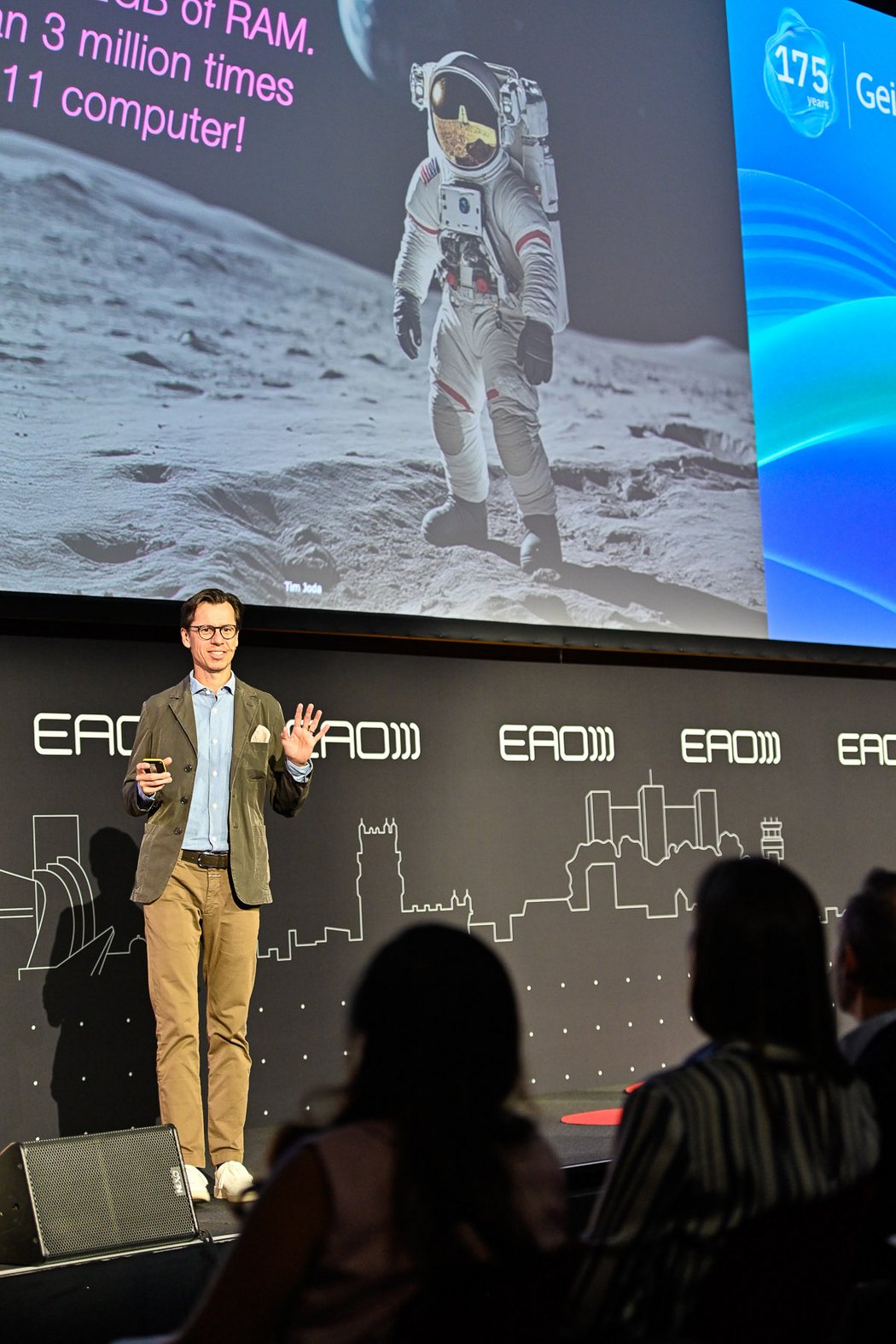
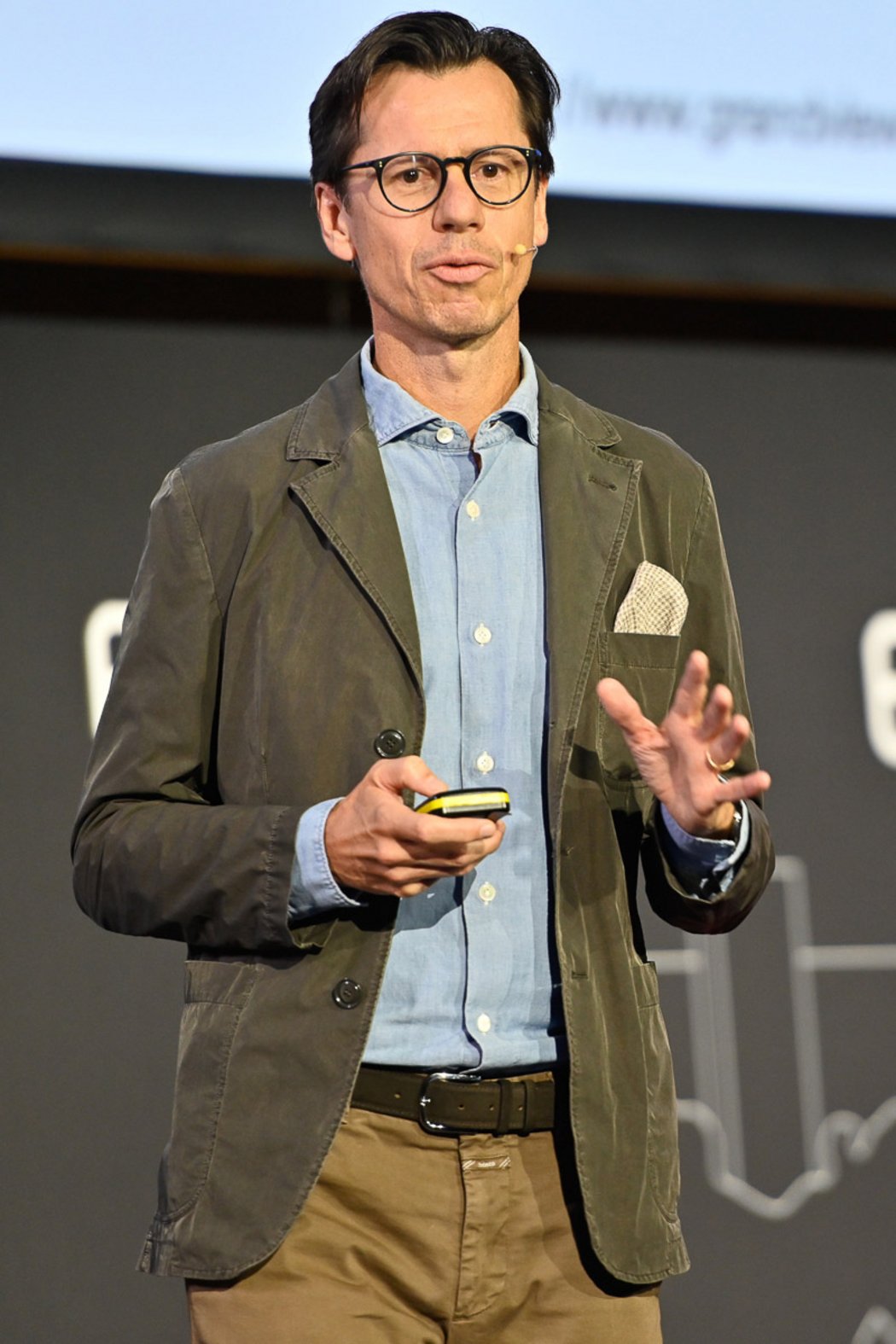
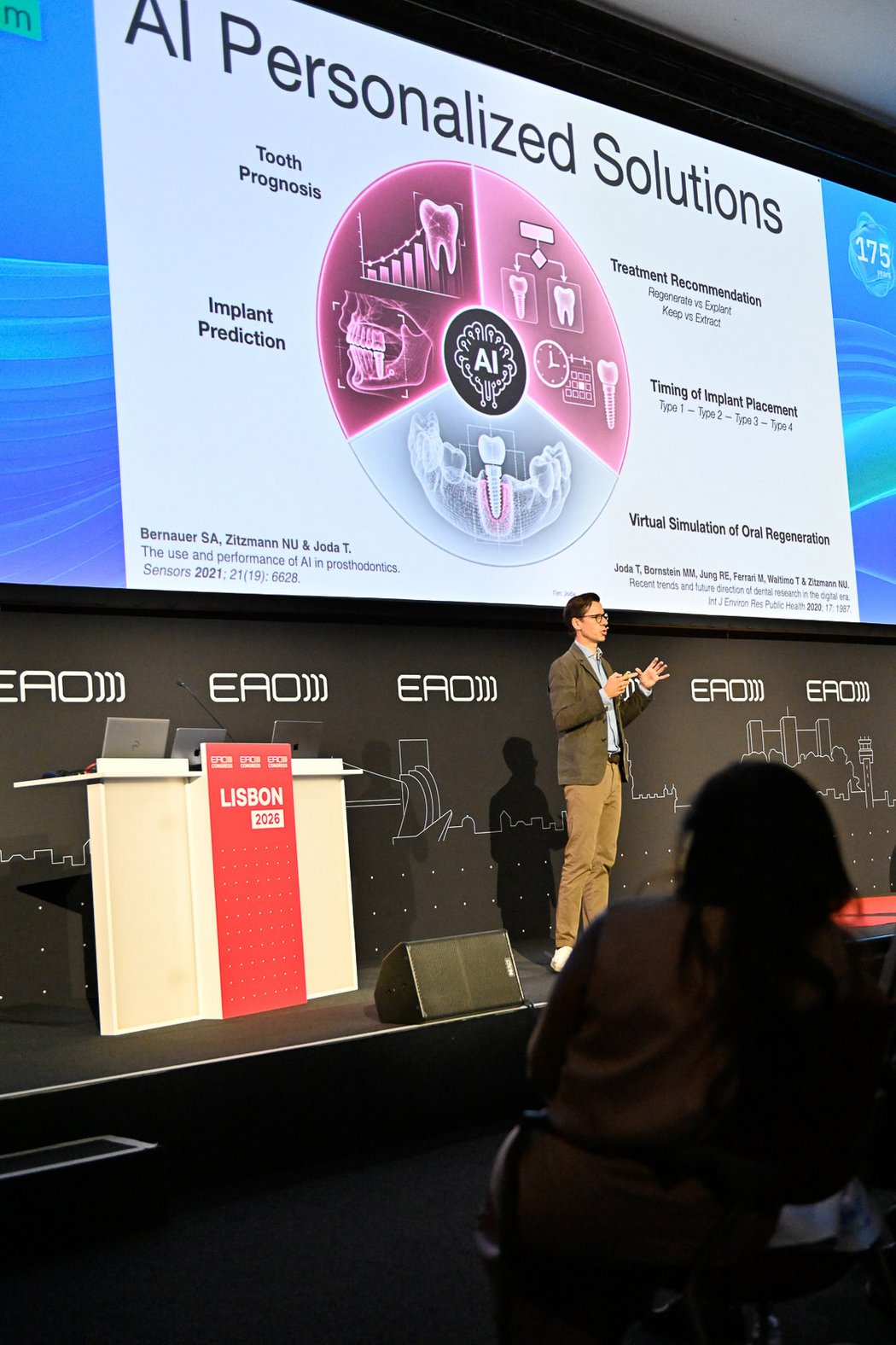
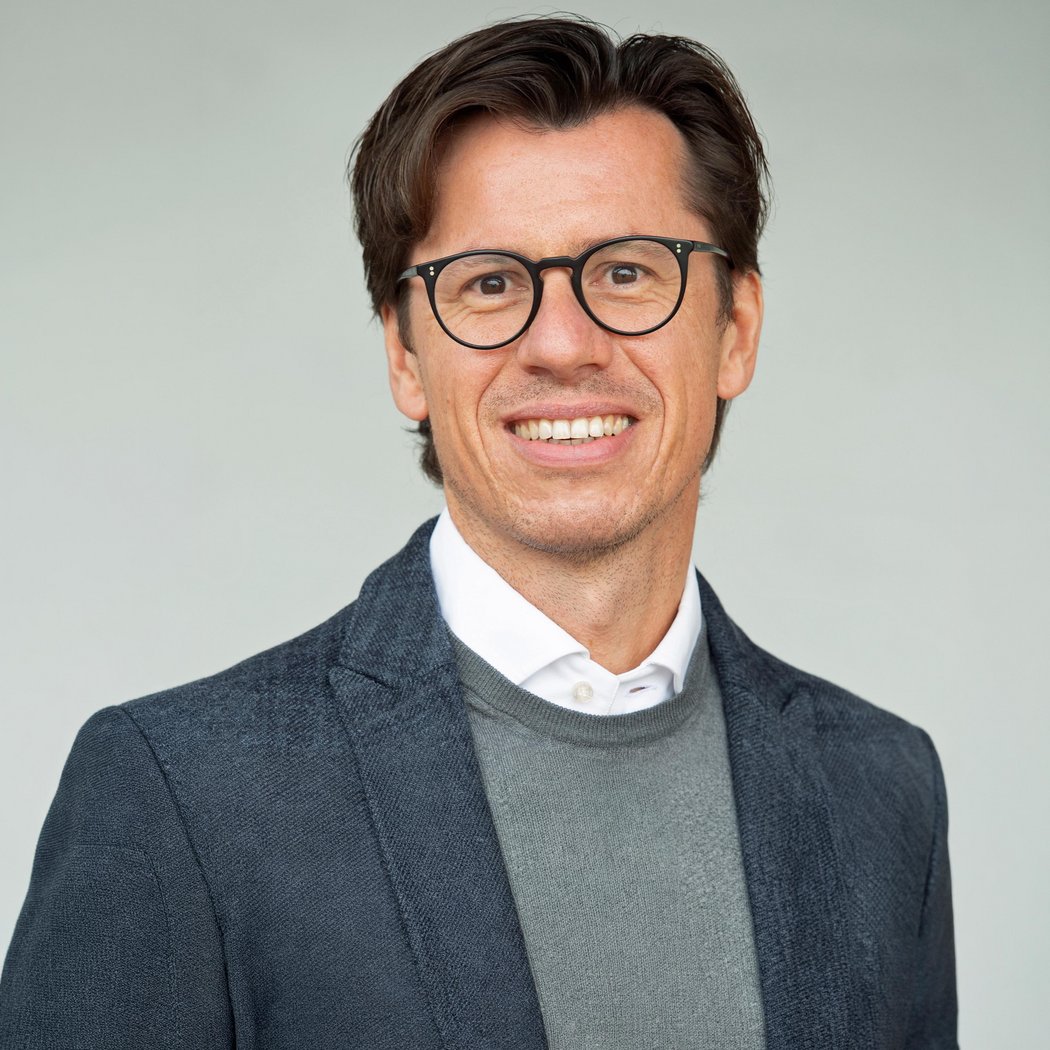
Prof. Tim Joda explored how AI, big data, and digital workflows could support clinical decision-making and pave the way toward more personalized implant treatment.
Beyond virtual implant placement
Digital planning tools already allow clinicians to simulate tooth extraction, assess potential implant positions, and visualize the surrounding anatomy before surgery.
These workflows can help clinicians:
- Evaluate available bone and estimate regenerative requirements.
- Assess potential primary implant stability.
- Plan implant positioning and loading strategies.
- Communicate treatment options and expectations more effectively with patients.
However, Joda highlighted an important limitation: current digital planning workflows primarily focus on implant components, while the regenerative dimension is not yet fully integrated.
Future AI-supported workflows could potentially incorporate the extent of bone regeneration required, biomaterial selection, and patient-specific biological factors into treatment planning.
Why better data matters more than better algorithms
According to Joda, the foundation of meaningful AI applications is high-quality, structured clinical data. He presented an implant registry initiative developed in Zurich and its expansion into an international research network supported by the Osteology Foundation. By collecting standardized clinical information across participating centers, researchers aim to generate real-world evidence that could eventually support:
- More personalized treatment recommendations.
- Improved prediction of clinical outcomes.
- Better understanding of peri-implant diseases.
- Data-driven assessment of clinical and economic performance.
The initiative also explores federated learning, an approach that allows algorithms to learn from data across different centers while supporting local data governance.
The key message: AI should support clinical expertise, not replace it. Its recommendations must still be critically evaluated and validated by clinicians.
And despite the technological advances ahead, Joda emphasized that guided bone regeneration (GBR) remains a cornerstone of contemporary implant therapy.
Want to discover how AI and big data are transforming dentistry?
Explore the opportunities, clinical applications, and future potential of AI in dental practice.
While digital technologies are opening new possibilities, successful bone regeneration continues to depend on fundamental surgical principles.
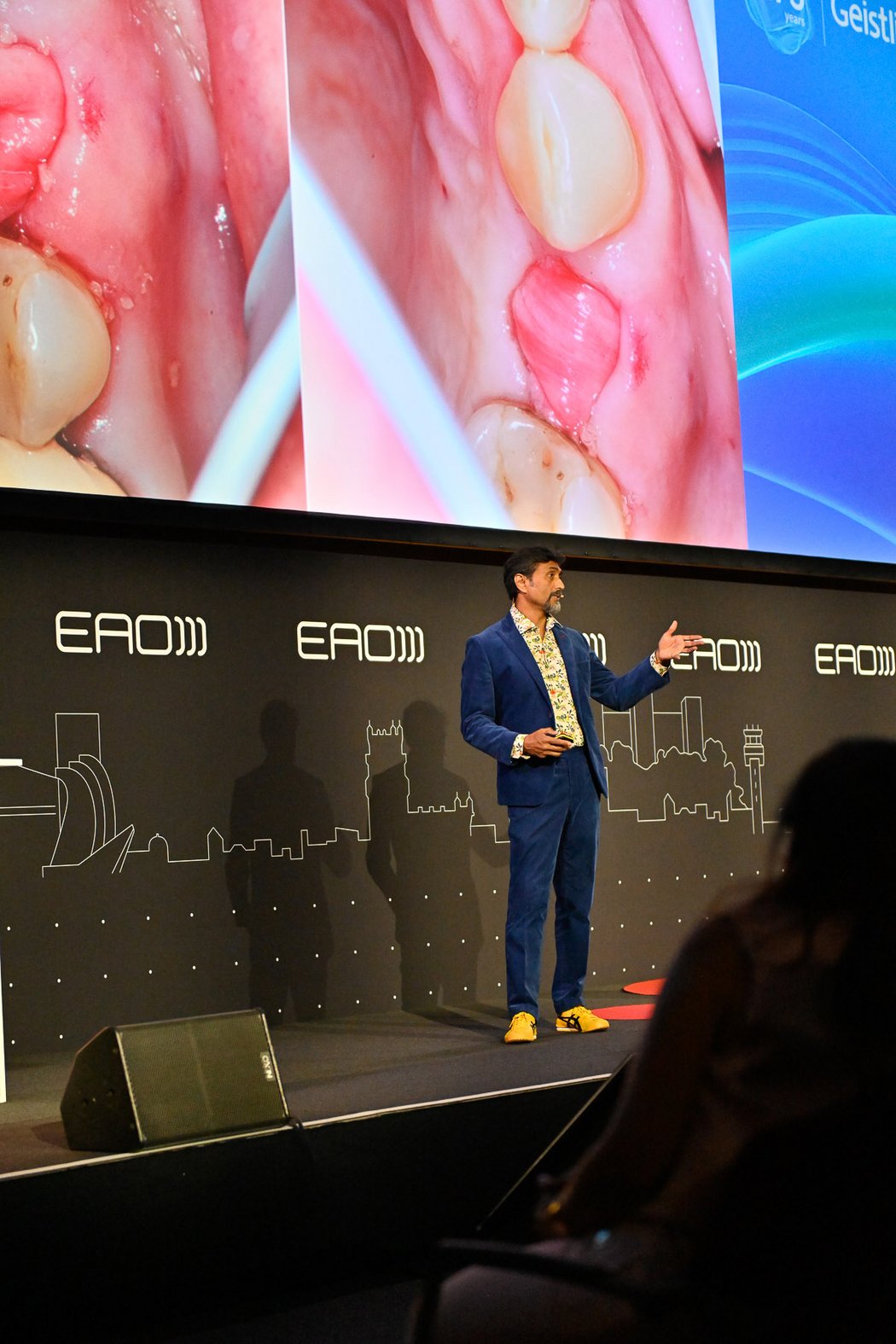
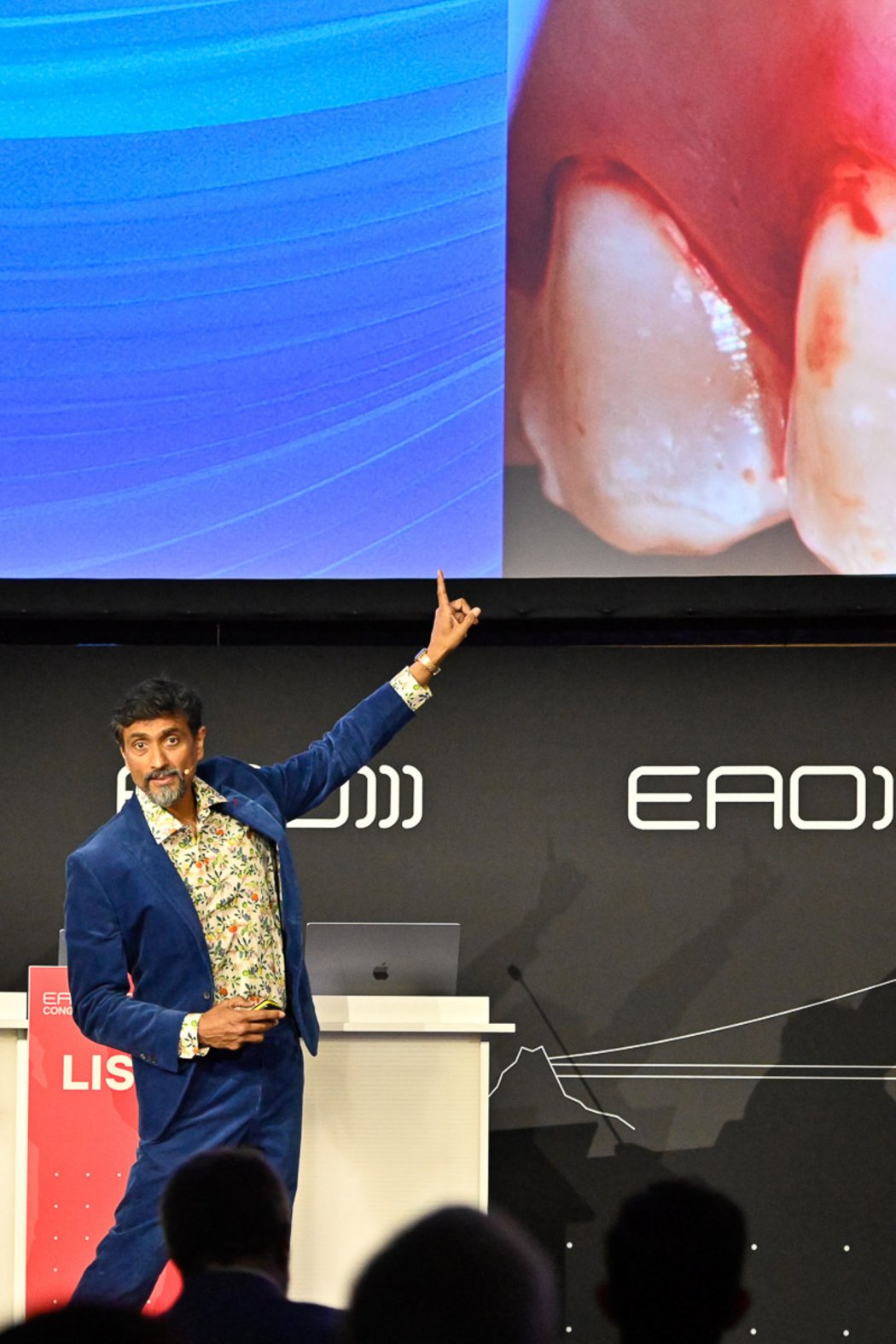
Dr. Amit Patel demonstrated how careful tissue management, biomaterial handling, and refined suturing techniques contribute to successful regenerative procedures.
Stability, flap management, and tension-free closure
Drawing on clinical cases, Patel emphasized several essential factors for predictable bone regeneration:
- Graft stability: Maintaining the regenerative material in the intended position.
- Appropriate flap release: Ensuring sufficient tissue mobility for wound closure.
- Tension-free closure: Reducing mechanical stress on the healing tissues.
- Precise suturing: Supporting wound stability throughout the healing process.
In particular, Patel discussed the importance of layered suturing approaches and internal suture techniques to stabilize tissues and membranes. His message was clear: choosing the right biomaterial is important, but the way it is handled and protected is equally critical.
Reconstructing deficient buccal bone
Through clinical examples involving compromised extraction sockets and buccal bone defects, Patel illustrated how regenerative materials can be combined with meticulous surgical techniques to reconstruct missing tissue. He demonstrated the use of Geistlich Bio-Gide® Forte in conjunction with bone grafting materials, emphasizing how membrane stabilization and precise suturing contribute to wound stability. These cases highlighted the importance of adapting the regenerative approach to the defect morphology rather than applying the same technique to every patient.
The clinical takeaway: Predictable bone regeneration requires more than placing a graft and covering it with a membrane. Successful outcomes depend on the interaction between biomaterial properties, surgical execution, and wound stability.
Looking to enhance your regenerative procedures?
Discover how Geistlich Bio-Gide® Forte can support your approach to bone regeneration.

Immediate implant placement offers clear advantages, including shorter treatment timelines and potentially fewer surgical interventions. But is faster always better?
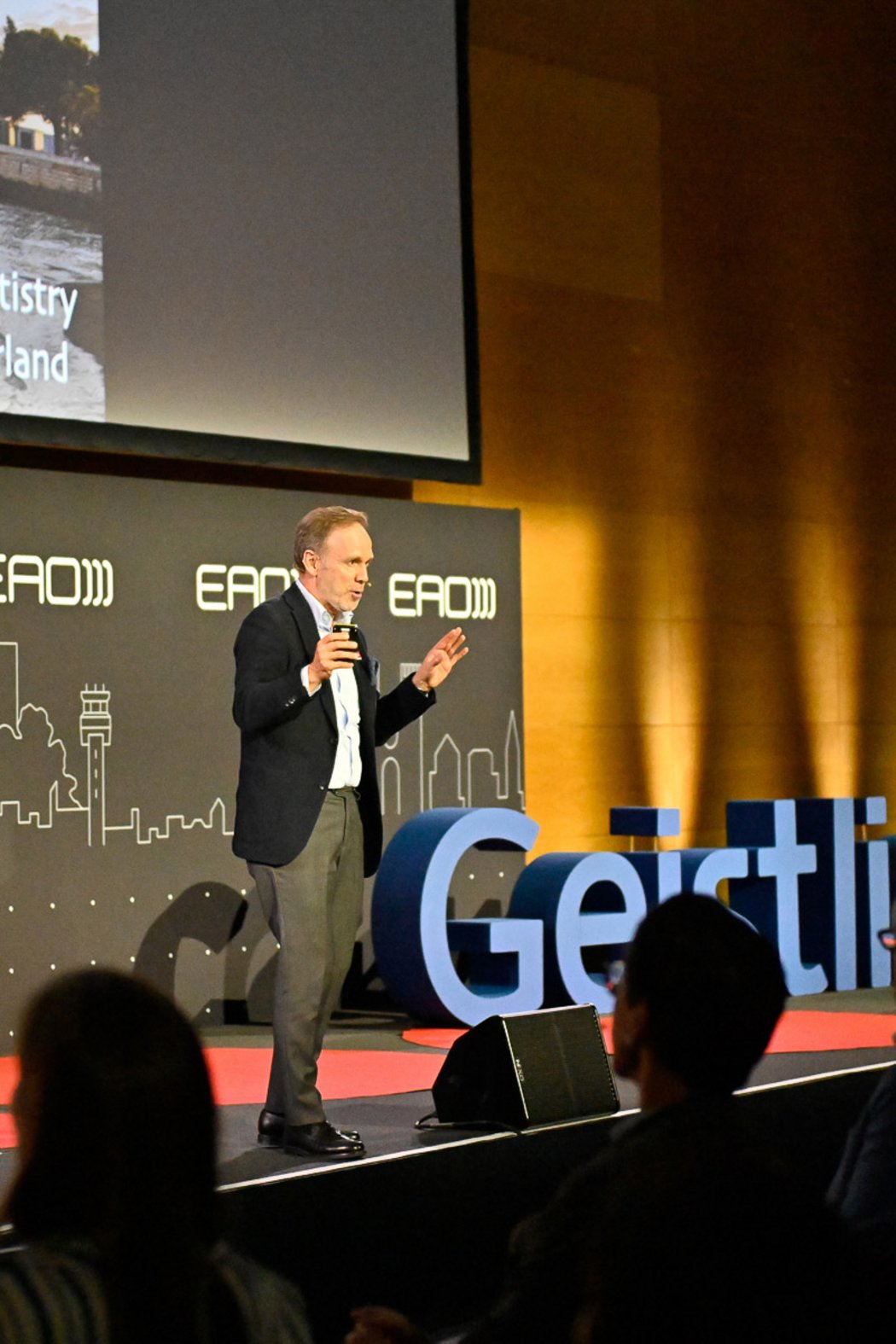
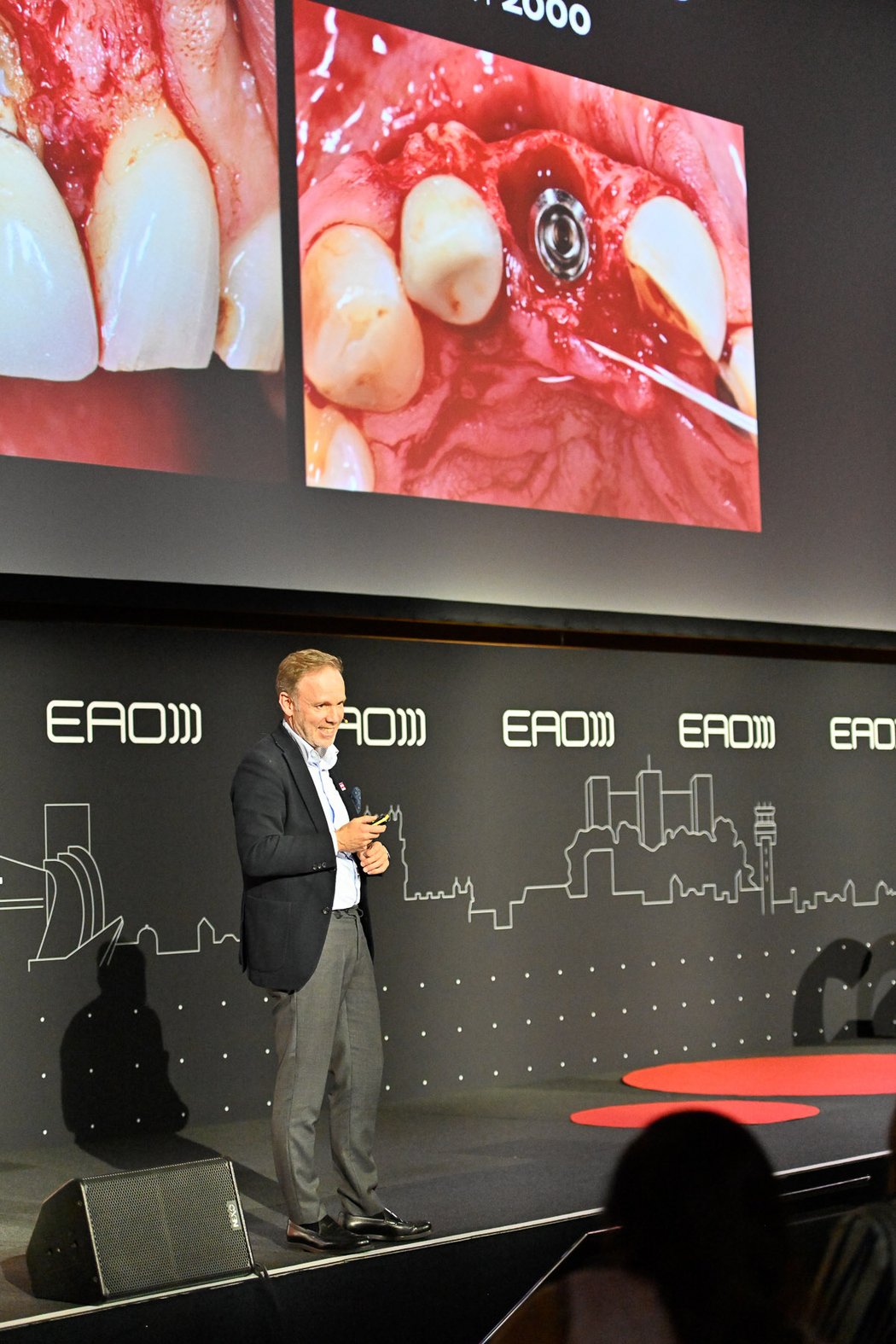
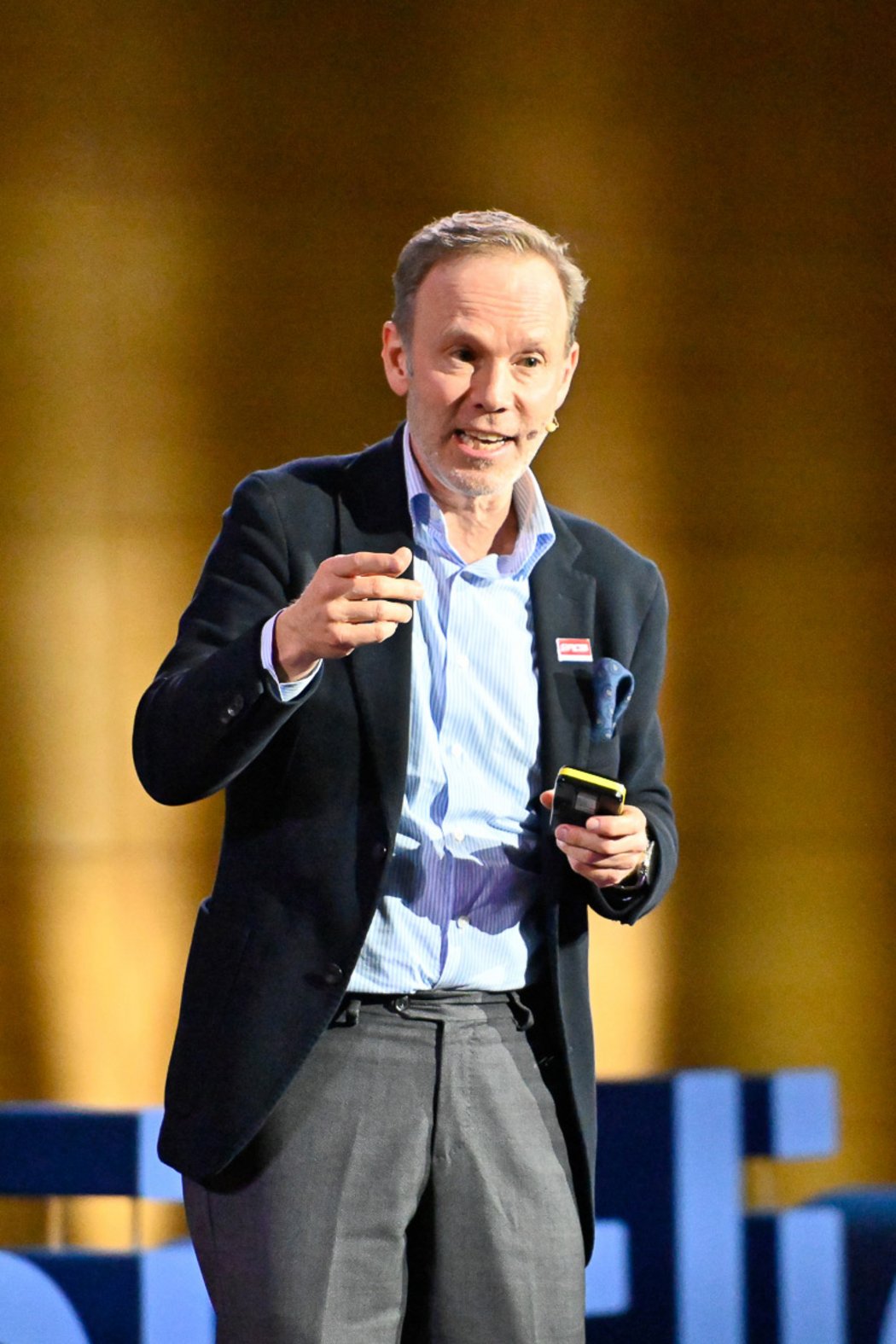
In his presentation, Prof. Ronald Jung drew on 25 years of clinical experience and research to explore one of the most important questions in implant dentistry: When should clinicians choose immediate implant placement, and when is a staged approach more predictable?
Case selection is the foundation of success
Jung repeatedly emphasized that successful implant treatment begins before surgery. Even technically excellent implant placement cannot compensate for inappropriate case selection or unrealistic patient expectations. When evaluating immediate implant placement, clinicians should carefully consider:
- Patient expectations and smile line: High esthetic demands increase the importance of predictable tissue outcomes.
- Implant position: Correct three-dimensional positioning is essential, particularly in the esthetic zone.
- Buccal bone integrity: Existing defects can increase treatment complexity.
- Soft tissue quality and quantity: The surrounding tissues influence esthetic stability.
- Clinical risk factors: Defect morphology and local pathology require careful evaluation.
Jung also emphasized the value of digitally guided implant placement to improve positioning accuracy in demanding esthetic cases. Looking back at one of his early immediate implant cases, Jung described augmenting the site with Geistlich Bio-Oss® granules covered by a Geistlich Bio-Gide® membrane. The case illustrated how established regenerative principles were already being applied to support peri-implant tissues, even before clinicians fully understood the dimensional changes that follow tooth extraction.
Understanding post-extraction tissue changes
One of the central challenges of immediate implant placement is the biological remodeling that follows tooth extraction. Jung reminded the audience that spontaneous healing after extraction can result in substantial alveolar ridge dimensional changes, with horizontal reductions averaging approximately 50% in the literature he discussed.1 Importantly, immediate implant placement does not eliminate these biological changes. This creates a fundamental difference between immediate and staged treatment approaches. With immediate implant placement, much of the post-extraction remodeling still lies ahead. With ridge preservation and delayed placement, clinicians can assess the healed site before proceeding.
Immediate placement or ridge preservation?
Jung encouraged clinicians to evaluate treatment timing according to the individual patient's risk profile rather than automatically choosing the fastest approach. In selected cases with favorable anatomy, sufficient soft tissue, an intact buccal bone wall, and manageable esthetic expectations, immediate implant placement can be a well-documented treatment option. However, for more demanding situations, particularly in the anterior esthetic zone, ridge preservation or early implant placement may provide a more controlled treatment pathway.
His presentation reinforced a principle that applies well beyond immediate implant placement: The most advanced treatment is not necessarily the fastest one. It is the treatment that offers the most appropriate balance of predictability, biology, and patient expectations. Developing this clinical judgment requires continuous learning and access to expert knowledge. As scientific partner of Geistlich myGuide®, Prof. Ronald Jung has helped shape a structured online learning journey that brings expert insights and practical training in regenerative dentistry to clinicians worldwide.
What does it take to make better clinical decisions?
Explore Geistlich myGuide®, the online learning journey developed with Prof. Ronald Jung and other leading experts in regenerative dentistry, available in English, German, French, Spanish, Portuguese, and Chinese.

Although the speakers approached regenerative dentistry from different perspectives, their presentations converged on three essential principles.
- Better decisions begin with better information. AI and structured clinical data have the potential to support more informed and personalized treatment planning.
- Biomaterials and surgical techniques must work together. Regenerative success depends not only on material selection but also on defect management, tissue stability, and careful surgical execution.
- Biology determines long-term success. Understanding tissue remodeling, selecting appropriate cases, and managing patient expectations remain fundamental, regardless of technological advances.
Together, these insights illustrate how the future of regenerative dentistry will be shaped by the integration of clinical expertise, scientific evidence, advanced biomaterials, and digital innovation.
As Geistlich celebrates 175 years of pioneering innovation, the symposium offered an important reminder: Progress in regenerative dentistry is not about replacing established principles, but about building on them to deliver better patient care.
How is AI used in implant dentistry?
AI and digital technologies can support virtual implant planning, anatomical assessment, and treatment visualization. Future applications may include personalized outcome prediction and regenerative treatment recommendations based on structured clinical data.
What are the key factors for successful guided bone regeneration?
Successful GBR depends on appropriate case selection, graft stability, suitable biomaterials, careful flap management, and tension-free wound closure. Precise suturing and membrane stabilization also play important roles.
When is immediate implant placement appropriate?
Immediate implant placement can be considered in carefully selected cases with favorable anatomical and soft tissue conditions. In more demanding esthetic situations or cases with significant tissue defects, ridge preservation or staged implant placement may offer a more predictable approach.
Reference
- Tan WL, et al.: Clin Oral Implants Res. 2012 Feb:23 (systematic review)